First, the important part: “eating little” does not always mean a deficit
Most often, the situation looks like this: subjectively, you’re eating less than before, but objectively there is no deficit or it is too small and masked by water.
In practice, weight “stalls” because of 2 things:
There’s a deficit on paper, but not in reality due to little things
There is a deficit, but progress is hidden by water, food volume, and fluctuations
Below are 12 of the most common reasons and what to do about them.
Большое обновление Счетчика калорий СИТ 30 для Apple: фактически новое приложение
Вышло крупное обновление Счетчика калорий СИТ 30, которое корректнее воспринимать не как очередную версию, а как полностью новое приложение. Система была переписана с нуля: изменена архитектура, переработаны ключевые механизмы работы и обновлён пользовательский интерфейс. При этом сохранена привычная логика, благодаря которой пользователи легко адаптируются к новой версии.
Nutrition around workouts isn’t “magic,” but it really does affect your well-being, workout quality, and recovery. The main goal is simple: provide energy for the workout and meet your protein and fluid needs afterwards. Weight loss will still depend on the calorie deficit per day and week.
Swimming is excellent for weight loss if the main principle is followed: weight loss results from a calorie deficit, and the pool helps create and maintain this deficit thanks to energy expenditure, improved endurance, and reduced stress.
Benefits of swimming for those trying to lose weight:
minimal impact load on joints, comfortable for excess weight
the whole body works, overall endurance increases
easy to regulate intensity: from relaxed laps to interval segments
often helps to “unload your mind,” meaning less overeating due to stress
Chia seeds and flax seeds are often bought with the same goal: to add fiber, stay full longer, improve gut function, and support a diet during weight loss. Both options are worthy, but they really behave differently in dishes, are digested differently, and have distinct effects on the body.
Below is a breakdown without myths: who benefits more from chia, who benefits more from flax, how to eat without bloating, and how much you need.
In short:
Want maximum omega-3 benefit for reasonable money: flax wins more often.
Need a convenient thickener for yogurt, pudding, or oatmeal to keep it tasty and simple: chia usually wins.
Have gut sensitivity, bloating, or irritable bowel syndrome: start with small doses and choose what feels best for you.
Want maximum benefit from flax: usually requires grinding or very thorough chewing.
Yes, a jump rope can be an effective tool because it is an intense cardio workout that quickly raises your heart rate. But an important point: weight loss happens due to a calorie deficit, and workouts help you maintain this deficit and increase your total energy expenditure.
If you’re jumping but your diet is not under control, your weight may not change. So the logic is: nutrition plus regular activity. In this sense, the jump rope is a great addition to walking and strength training.
 Why It’s the Weekends That Break Progress
 Why “chicken every day” is not a must
 First, the important part: “eating little” does not always mean a deficit
 Большое обновление Счетчика калорий СИТ 30 для Apple: фактически новое приложение
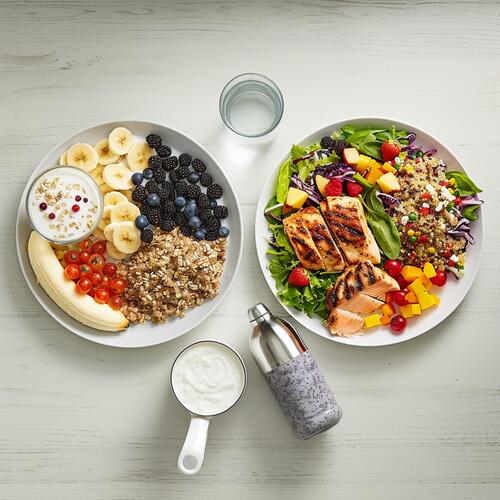 Nutrition around workouts isn’t “magic,” but it really does affect your well-being, workout quality, and recovery. The main goal is simple: provide energy for the workout and meet your protein and fluid needs afterwards. Weight loss will still depend on the calorie deficit per day and week.
 Swimming for Weight Loss: Does it Work or Not?
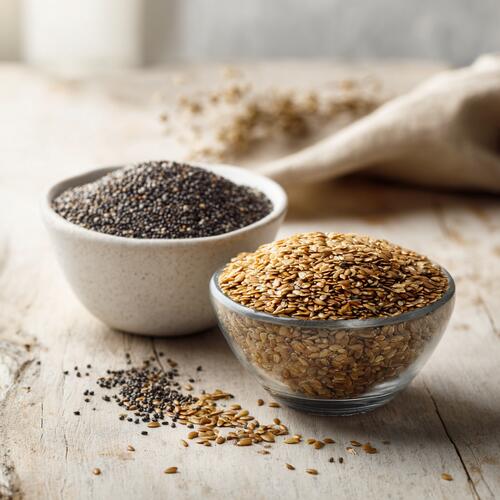 Chia seeds and flax seeds are often bought with the same goal: to add fiber, stay full longer, improve gut function, and support a diet during weight loss. Both options are worthy, but they really behave differently in dishes, are digested differently, and have distinct effects on the body.
 What "works" really means in practice
 Does Jump Rope Work for Weight Loss
 What should be considered a problem