Готовить себе отдельную куриную грудку, отдельную кастрюлю гречки и персональный салат необязательно. Можно есть ту же домашнюю еду, что и остальные члены семьи, и при этом достаточно точно контролировать калорийность рациона.
Главное не пытаться определить калории по размеру тарелки. Нужно один раз рассчитать общее блюдо, узнать его калорийность на 100 г, а затем взвесить только свою порцию.
Такой способ подходит для супов, плова, запеканок, котлет, тушеного мяса, макарон с соусом и других блюд, которые готовят сразу на несколько человек.
How to Account for Oil When Frying, Baking, and Dressing Salads
Oil often becomes the source of an unnoticed mistake in a food diary. A person carefully weighs meat, grains, and vegetables, but adds oil to the pan “by eye” or doesn’t log it at all. As a result, the actual calorie content of the dish turns out to be higher than calculated.
This is especially common when frying. Did all the oil stay in the pan or did some get absorbed by the food? Should you record the whole spoonful or just a few grams? How should you account for oil if the dish was prepared for the entire family?
How to Count Calories After Cooking: Why the Product Weight Changes
You weighed 100 g of dry buckwheat, cooked it, and got almost 300 g of porridge. Then you put 500 g of chicken fillet in the oven, but after cooking, only 375 g remained on the scale.
In the first case, the product became heavier, in the second—lighter. This raises a logical question: does the total caloric value of the product change after cooking, and what value should you record in your food diary?
The main rule is:
Cooking changes the weight of the product, but by itself does not create additional calories.
Count Calories Raw or Cooked: How to Weigh Foods Correctly
Buckwheat becomes heavier after boiling, while chicken breast, on the other hand, loses weight after baking. Water does not add calories to foods, and its evaporation does not turn ordinary fillets into higher-calorie food.
So how should you count calories: raw or cooked?
The main rule is very simple:
You should count the product in the state for which calorie content is indicated in the app database or on the packaging.
How to Count Calories in a Complex Dish: Soup, Pilaf, Salad, and Casserole
Calculating the calorie content of an apple or a pack of cottage cheese is easy: just check the nutrition label and indicate the weight you ate. The questions begin when meat, grains, vegetables, oil, sauce, and water are all combined in one pot.
How do you count the calories in a complex dish when ingredients change weight during cooking? What about the water in soup? How can you determine the calories in a single plate of pilaf or a piece of casserole?
What Prevents Women Over 40 From Losing Weight: Nutrition, Sleep, Stress, Activity
After 40, many women notice a strange pattern: their diet has barely changed, portions seem small, but their weight gradually increases. Attempts to go on a diet give a short-term result, after which the pounds return. The belly becomes more noticeable, familiar clothes fit differently, and losing weight requires much more effort than it did ten years ago.
This doesn’t mean losing weight after 40 is impossible or that the body has stopped burning fat. Most often, several factors change at once: the amount of muscle mass, daily activity, sleep quality, eating habits, and hormonal background.
Большое обновление Счетчика калорий СИТ 30 для Apple: фактически новое приложение
Вышло крупное обновление Счетчика калорий СИТ 30, которое корректнее воспринимать не как очередную версию, а как полностью новое приложение. Система была переписана с нуля: изменена архитектура, переработаны ключевые механизмы работы и обновлён пользовательский интерфейс. При этом сохранена привычная логика, благодаря которой пользователи легко адаптируются к новой версии.
What Changes After 40 and Why Losing Weight Seems Harder
After 40, three factors often come together: less daily activity, worse sleep, and higher stress levels. As a result, energy expenditure decreases, while appetite and cravings for quick snacks rise. The problem is usually not that losing weight is impossible, but that your strategy needs to become more precise: an honest calorie deficit, enough protein, a stable routine, and minimal but regular activity.
Fiber is dietary fiber from plant foods. It is hardly digested, but it affects satiety, bowel function, microbiota, and appetite stability. Fiber is especially useful for weight loss because it adds bulk and helps maintain a calorie deficit without constant hunger.
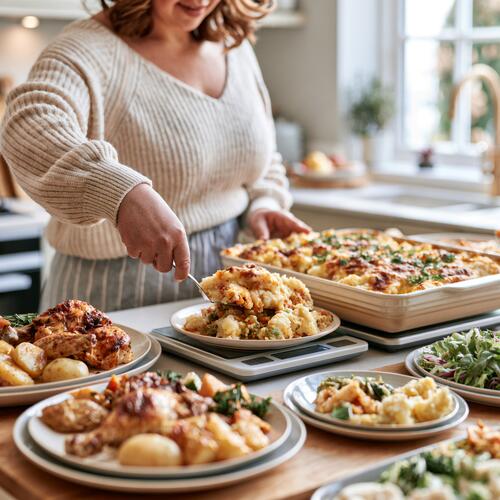 Как считать калории, если готовишь на всю семью
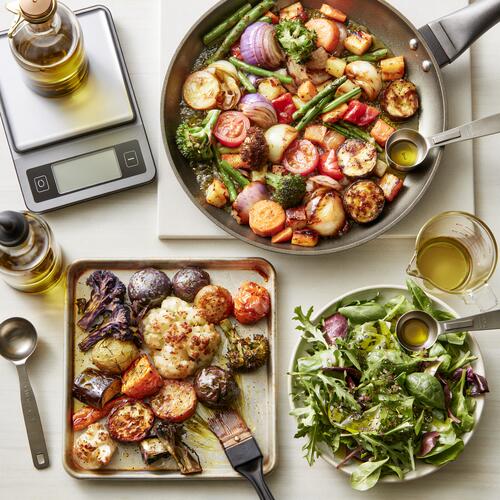 How to Account for Oil When Frying, Baking, and Dressing Salads
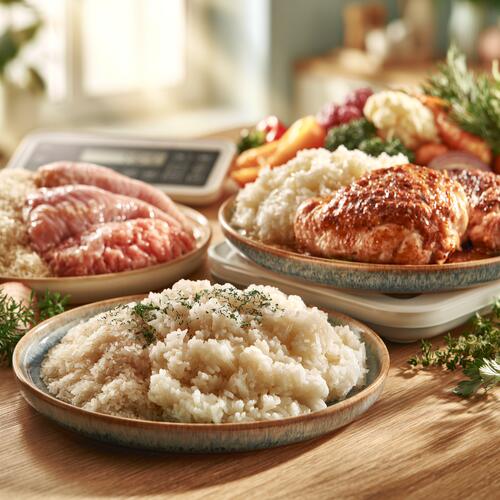 How to Count Calories After Cooking: Why the Product Weight Changes
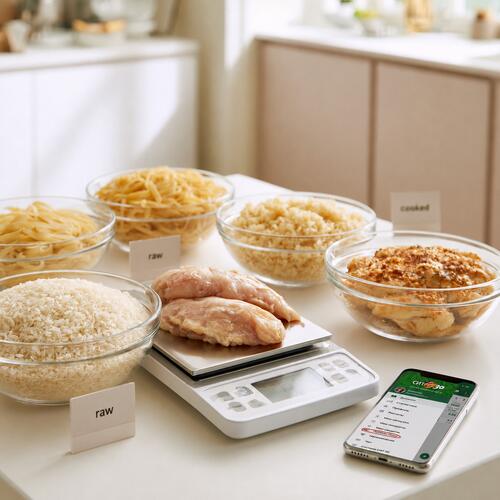 Count Calories Raw or Cooked: How to Weigh Foods Correctly
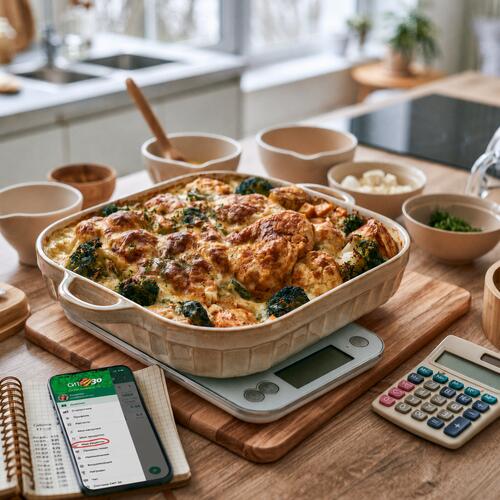 How to Count Calories in a Complex Dish: Soup, Pilaf, Salad, and Casserole
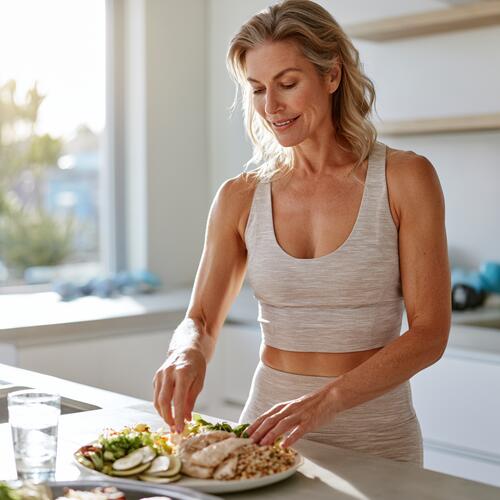 What Prevents Women Over 40 From Losing Weight: Nutrition, Sleep, Stress, Activity
 Большое обновление Счетчика калорий СИТ 30 для Apple: фактически новое приложение
 What Changes After 40 and Why Losing Weight Seems Harder
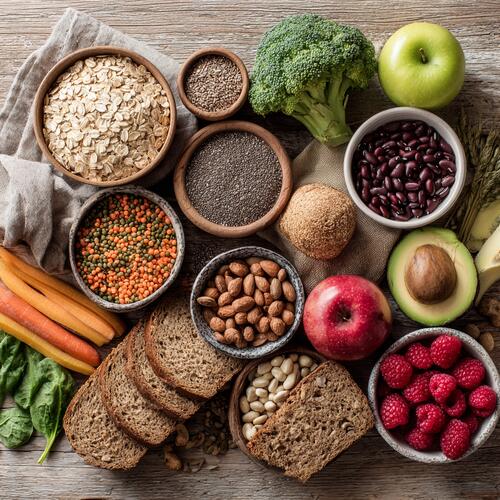 What is fiber and why do you need it
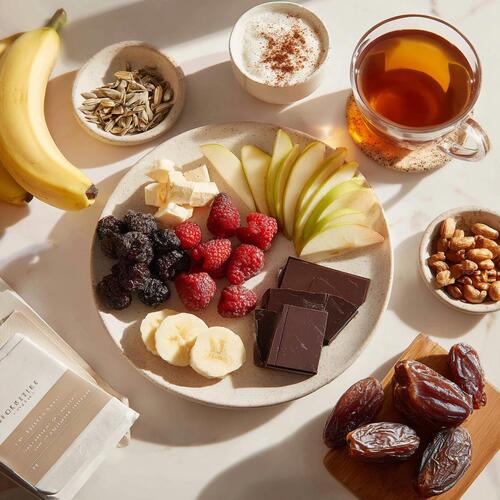 Cravings for sweets most often appear not because of weak willpower, but due to a combination of reasons: