10.04.2026
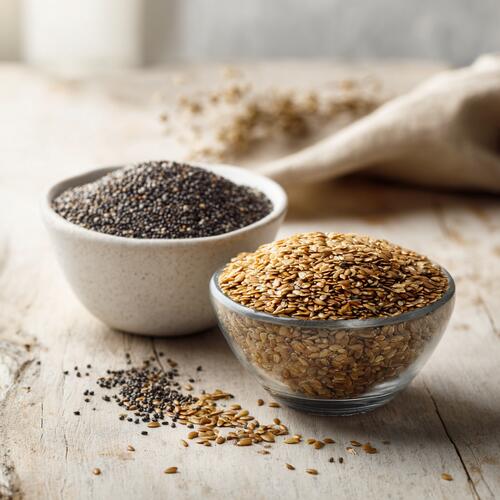 Chia seeds and flax seeds are often bought with the same goal: to add fiber, stay full longer, improve gut function, and support a diet during weight loss. Both options are worthy, but they really behave differently in dishes, are digested differently, and have distinct effects on the body.
Below is a breakdown without myths: who benefits more from chia, who benefits more from flax, how to eat without bloating, and how much you need.
In short:
-
Want maximum omega-3 benefit for reasonable money: flax wins more often.
-
Need a convenient thickener for yogurt, pudding, or oatmeal to keep it tasty and simple: chia usually wins.
-
Have gut sensitivity, bloating, or irritable bowel syndrome: start with small doses and choose what feels best for you.
-
Want maximum benefit from flax: usually requires grinding or very thorough chewing.
01.02.2026
 Bone Broth: Benefits, Recipe, and How to Cook at Home
Bone broth is a rich broth made from bones (often with joints and cartilage) through slow simmering over a long period. It is valued for its taste, gelatinous texture, and convenience: it is a basic ingredient for soups, sauces, and low-calorie snacks.
Below, we'll discuss which benefits of bone broth are truly supported by evidence, where marketing exaggerates, how to cook it deliciously and safely, and important details about salt, storage, and risks.
30.01.2026
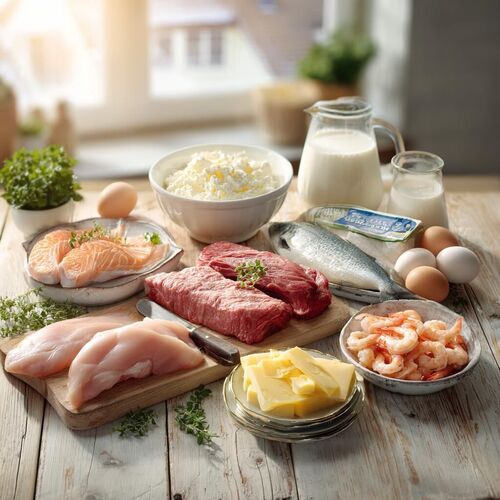 How Much Protein Do You Need When Losing Weight and How to Distribute It Across Meals
Protein in weight loss serves two main functions: it helps you maintain a calorie deficit more easily (satiety) and reduces the risk of muscle loss, which usually causes reduced tone and slower energy expenditure. The practical goal is to consume enough protein per day and distribute it so that each meal contains a working portion.
18.02.2025
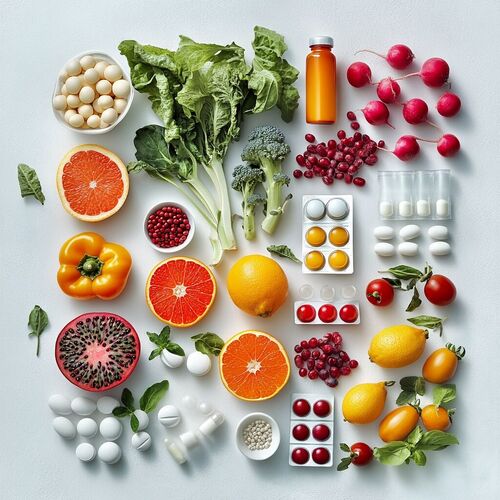 The Need for Vitamins and Minerals on a Low-Calorie Diet: Which Substances Are Most Often Deficient and How to Replenish Them
Low-calorie nutrition has recently become popular among those who aim to lose weight or maintain a healthy body weight. However, dietary restrictions, especially a sharp decrease in calories, can lead to a deficiency in a number of important vitamins and minerals. In this article, we will discuss which vitamins and minerals most often end up in the "risk zone" on a low-calorie diet, as well as how to properly address these deficiencies to avoid harming your health and to maintain excellent well-being.
31.12.2024
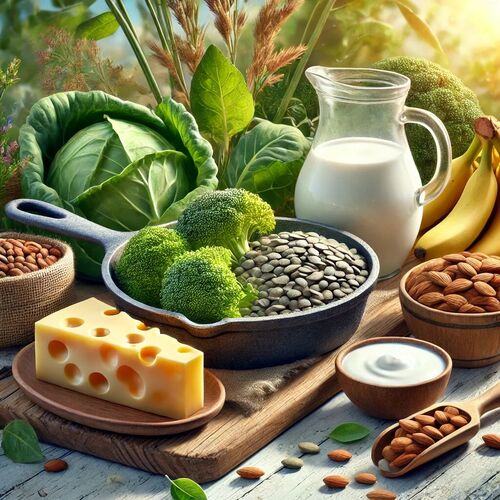 Our body needs a variety of nutrients to maintain health and proper functioning. Among them, minerals play a key role. In this article, we will look at three important minerals: iron, calcium, and magnesium. We will find out why they are so necessary, how their deficiency affects the body, which foods are the best sources of these minerals, and what the daily intake recommendations are.