How to Account for Oil When Frying, Baking, and Dressing Salads
Oil often becomes the source of an unnoticed mistake in a food diary. A person carefully weighs meat, grains, and vegetables, but adds oil to the pan “by eye” or doesn’t log it at all. As a result, the actual calorie content of the dish turns out to be higher than calculated.
This is especially common when frying. Did all the oil stay in the pan or did some get absorbed by the food? Should you record the whole spoonful or just a few grams? How should you account for oil if the dish was prepared for the entire family?
Honey: Beneficial Properties, Calorie Content, and Is It Allowed During Weight Loss
Honey is often called a healthy substitute for sugar. It is added to tea, porridge, cottage cheese, homemade desserts, and lemon drinks. For those watching their weight, this raises a logical question: can you eat honey during weight loss, or will its high calorie content prevent you from creating a deficit?
Short answer: honey can be included in a weight loss diet. You don't need to ban it, but you do need to monitor the amount. It’s primarily a source of sugars, not a product with unique fat-burning properties.
Bread During Weight Loss: Which to Choose and How Much to Eat
Bread often becomes the first product that people remove from their diet when they decide to lose weight. Along with it go breakfast sandwiches, a slice of bread with soup, and the usual cheese toast. For a while, such restriction can really help you eat less. But soon a strong craving for baked goods appears, and an ordinary slice of bread starts to feel like a diet violation.
In reality, you do not need to completely give up bread to lose weight.
Yes, it is possible to lose weight without breakfast. For weight loss, it is not the mere fact of eating in the morning that matters, but the number of calories a person consumes and expends throughout the day.
If skipping breakfast makes it easier for you to maintain a calorie deficit, you don’t feel weak, and you don’t overeat in the evening, this regimen can be convenient. However, skipping breakfast by itself does not trigger intensified fat burning or guarantee weight loss.
For some people, skipping the morning meal does indeed reduce their overall calorie intake. For others, the opposite happens: by evening, they experience strong hunger, larger portion sizes, and unplanned snacking. Therefore, there is no universal rule here.
A practical norm for most people who are losing weight:
400-600 g of vegetables per day This is usually 3-5 servings, with 1 serving being about 80-120 g.
Why this range is convenient:
provides food volume with low calories
adds fiber, which reduces hunger
helps you build your plate so it’s easier to maintain a deficit
Important: don’t start right away with 600 g if you currently eat almost no vegetables. It’s better to add them gradually, otherwise there will be bloating and aversion.
Большое обновление Счетчика калорий СИТ 30 для Apple: фактически новое приложение
Вышло крупное обновление Счетчика калорий СИТ 30, которое корректнее воспринимать не как очередную версию, а как полностью новое приложение. Система была переписана с нуля: изменена архитектура, переработаны ключевые механизмы работы и обновлён пользовательский интерфейс. При этом сохранена привычная логика, благодаря которой пользователи легко адаптируются к новой версии.
Nutrition around workouts isn’t “magic,” but it really does affect your well-being, workout quality, and recovery. The main goal is simple: provide energy for the workout and meet your protein and fluid needs afterwards. Weight loss will still depend on the calorie deficit per day and week.
Chia seeds and flax seeds are often bought with the same goal: to add fiber, stay full longer, improve gut function, and support a diet during weight loss. Both options are worthy, but they really behave differently in dishes, are digested differently, and have distinct effects on the body.
Below is a breakdown without myths: who benefits more from chia, who benefits more from flax, how to eat without bloating, and how much you need.
In short:
Want maximum omega-3 benefit for reasonable money: flax wins more often.
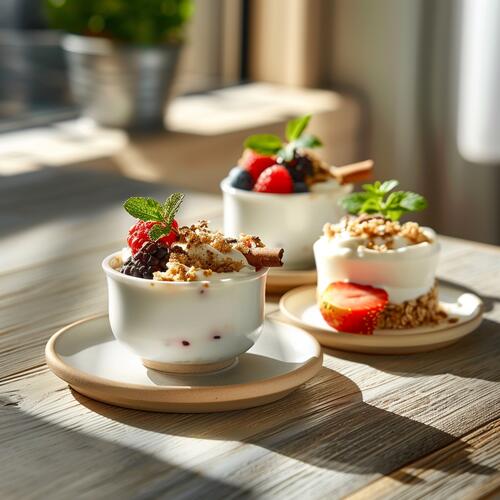
Need a convenient thickener for yogurt, pudding, or oatmeal to keep it tasty and simple: chia usually wins.
Have gut sensitivity, bloating, or irritable bowel syndrome: start with small doses and choose what feels best for you.
Want maximum benefit from flax: usually requires grinding or very thorough chewing.
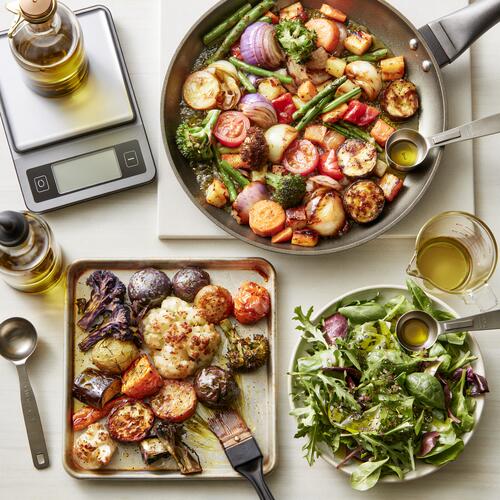 How to Account for Oil When Frying, Baking, and Dressing Salads
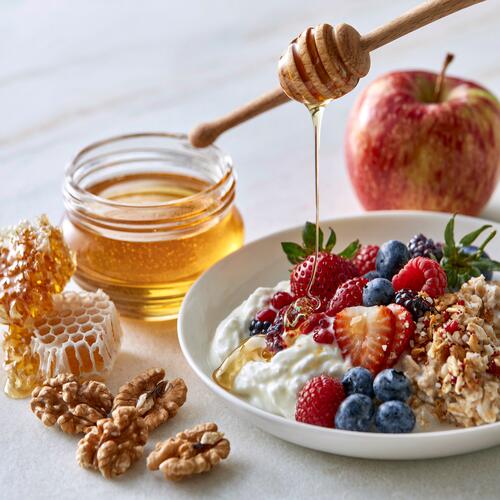 Honey: Beneficial Properties, Calorie Content, and Is It Allowed During Weight Loss
 Bread During Weight Loss: Which to Choose and How Much to Eat
 Is it Possible to Lose Weight Without Breakfast?
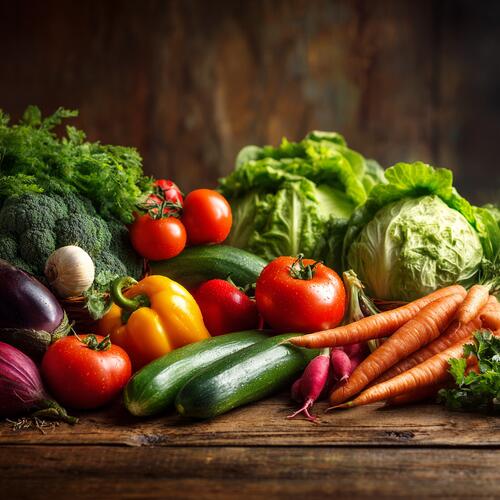 How Many Vegetables Per Day for Weight Loss
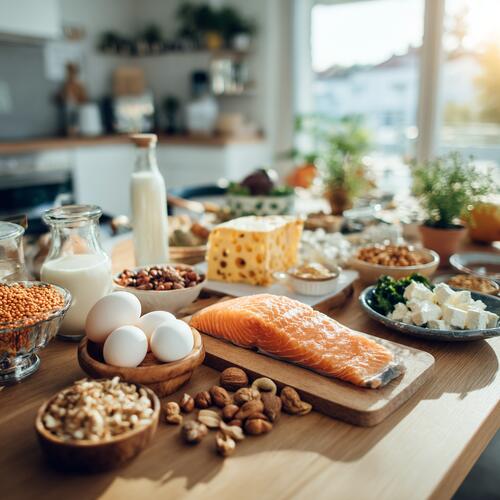 Why “chicken every day” is not a must
 Большое обновление Счетчика калорий СИТ 30 для Apple: фактически новое приложение
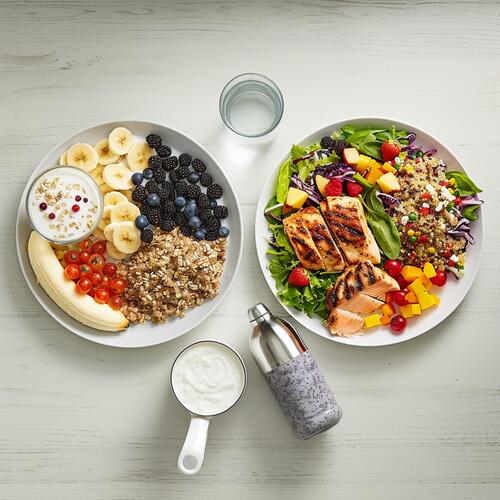 Nutrition around workouts isn’t “magic,” but it really does affect your well-being, workout quality, and recovery. The main goal is simple: provide energy for the workout and meet your protein and fluid needs afterwards. Weight loss will still depend on the calorie deficit per day and week.
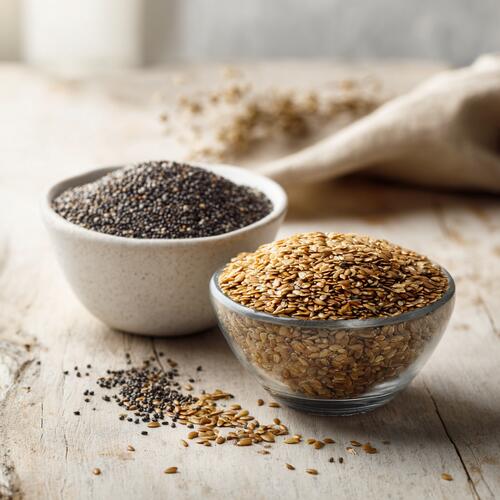 Chia seeds and flax seeds are often bought with the same goal: to add fiber, stay full longer, improve gut function, and support a diet during weight loss. Both options are worthy, but they really behave differently in dishes, are digested differently, and have distinct effects on the body.
 What "works" really means in practice