How Many Calories Walking Burns in 30, 60, and 90 Minutes
Walking may seem like a simple activity, but a prolonged walk can burn a noticeable amount of energy. The total expenditure primarily depends on a person’s weight, walking speed, duration, terrain, and physical fitness.
5 Popular Okroshka Recipes: Classic, with Kvass, Kefir, Mineral Water, and Ayran
Okroshka is especially good on a hot day, when you crave a cold, fresh, and filling dish. You can prepare it with kvass, kefir, ayran, mineral water, or a mixture of fermented milk drink and water.
There is no single “correct” okroshka recipe. In one family, sausage is a must, in another, chicken or beef is used, and someone else may make it meat-free. The dressing also varies: from sweetish kvass to sour kefir with mustard.
Honey: Beneficial Properties, Calorie Content, and Is It Allowed During Weight Loss
Honey is often called a healthy substitute for sugar. It is added to tea, porridge, cottage cheese, homemade desserts, and lemon drinks. For those watching their weight, this raises a logical question: can you eat honey during weight loss, or will its high calorie content prevent you from creating a deficit?
Short answer: honey can be included in a weight loss diet. You don't need to ban it, but you do need to monitor the amount. It’s primarily a source of sugars, not a product with unique fat-burning properties.
How Long Does Post-Workout Weight Gain Last and When Should It Go Away
In the morning after a workout, the scale may show an increase of 300 grams, a kilogram, or even more. This can be especially concerning if you are maintaining a calorie deficit and expect to see a drop in weight.
Most often, this gain is not related to fat. After unusual or intense exercise, muscles recover, the amount of water and glycogen changes, and you may consume more fluids and food. All this is reflected on the scale more quickly than actual changes in fat mass.
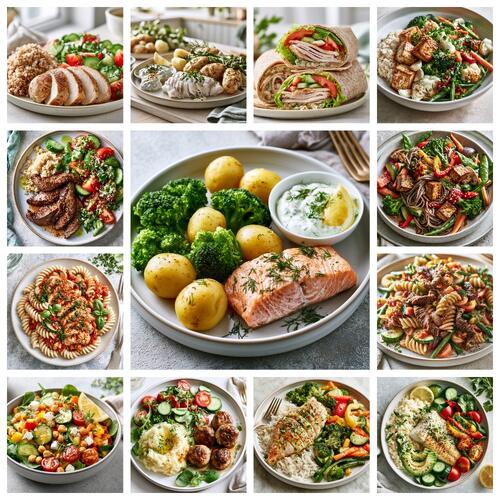
What to Eat for Lunch When Losing Weight: 15 Hearty Options
A lunch for weight loss does not have to consist of dry chicken breast and a few lettuce leaves. It can include potatoes, pasta, grains, bread, meat, fish, and even cheese. What matters is not individual “forbidden” foods, but the total calorie content, portion size, and ingredients in the dish.
A good lunch should solve several tasks at once:
keep you full until the next meal;
provide enough protein;
fit within your daily calorie limit;
be easy enough to prepare;
and not provoke a desire to seek out sweets within an hour.
Below you’ll find 15 lunch options at 300, 400, and 500 kcal. Among them are dishes with meat, fish, legumes, and tofu, as well as options that are convenient to take to work.
What Happens If You Walk Every Day: Changes After a Month
Daily walking seems like too simple of an exercise to noticeably affect the body. You don't need to buy a gym membership, learn complicated exercises, or set aside a separate hour for a workout. It's enough to step outside and take a walk.
But what happens if you walk every day for a month? Will you lose weight, will it become easier to climb stairs, will your sleep improve, and when will the first noticeable changes appear?
Bread During Weight Loss: Which to Choose and How Much to Eat
Bread often becomes the first product that people remove from their diet when they decide to lose weight. Along with it go breakfast sandwiches, a slice of bread with soup, and the usual cheese toast. For a while, such restriction can really help you eat less. But soon a strong craving for baked goods appears, and an ordinary slice of bread starts to feel like a diet violation.
In reality, you do not need to completely give up bread to lose weight.
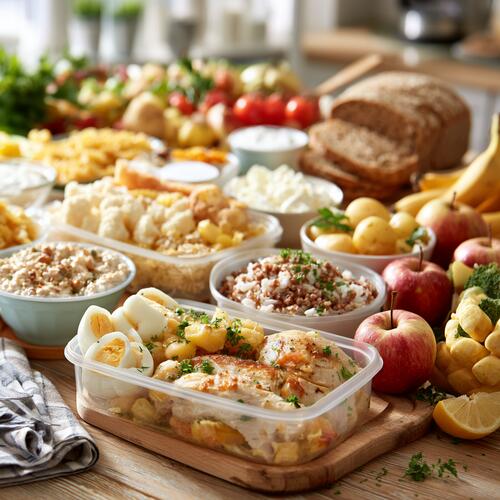
Budget Weekly Menu: Simple Foods and a Ready-to-Use Meal Plan
A budget-friendly weekly menu does not have to consist of plain pasta, potatoes, and the cheapest processed foods. Even with limited expenses, it is possible to create a balanced diet with grains, vegetables, eggs, poultry, fish, and fermented dairy products.
The main principle of saving money is not just buying the cheapest products. It's much more important to use the same ingredients in different dishes, plan your shopping ahead, and avoid tossing out foods you didn’t get to cook in time.
Below you’ll find a ready-made, inexpensive menu for seven days for one adult. Its average caloric value is about 1450-1550 kcal per day. The exact figure depends on the fat content of the products, chosen brands, egg size, and amount of oil used.
This menu can serve as a base and then can be adjusted to fit your daily calorie needs.
Weight Increased by 1-2 kg in a Day: What Really Happened
Yesterday, the scale showed 74.8 kg, and this morning it's already 76.1 kg. The diet hasn’t changed dramatically, the workout was routine, and there didn’t seem to be any overeating. Where did the extra 1.3 kg come from?
The first thought is usually the most discouraging: everything is ruined, the deficit isn't working, and the lost weight has returned. But the increase that appears in a few hours or overnight is almost never made up of just fat.
How to Count Calories After Cooking: Why the Product Weight Changes
You weighed 100 g of dry buckwheat, cooked it, and got almost 300 g of porridge. Then you put 500 g of chicken fillet in the oven, but after cooking, only 375 g remained on the scale.
In the first case, the product became heavier, in the second—lighter. This raises a logical question: does the total caloric value of the product change after cooking, and what value should you record in your food diary?
The main rule is:
Cooking changes the weight of the product, but by itself does not create additional calories.
 How Many Calories Walking Burns in 30, 60, and 90 Minutes
 5 Popular Okroshka Recipes: Classic, with Kvass, Kefir, Mineral Water, and Ayran
 Honey: Beneficial Properties, Calorie Content, and Is It Allowed During Weight Loss
 How Long Does Post-Workout Weight Gain Last and When Should It Go Away
 What to Eat for Lunch When Losing Weight: 15 Hearty Options
 What Happens If You Walk Every Day: Changes After a Month
 Bread During Weight Loss: Which to Choose and How Much to Eat
 Budget Weekly Menu: Simple Foods and a Ready-to-Use Meal Plan
 Weight Increased by 1-2 kg in a Day: What Really Happened
 How to Count Calories After Cooking: Why the Product Weight Changes