

Budget Menu for the Week: Products, Weights, and Recipes
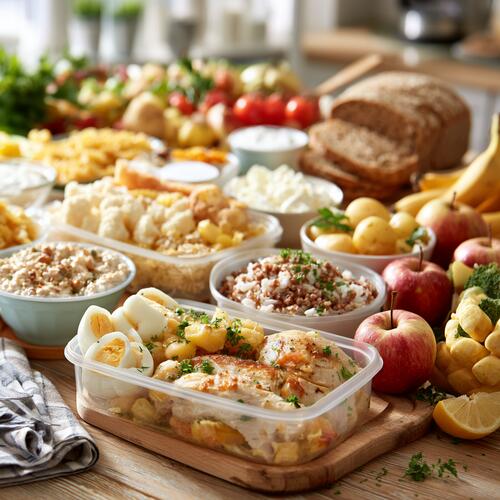 Budget Weekly Menu: Simple Foods and a Ready-to-Use Meal Plan
A budget-friendly weekly menu does not have to consist of plain pasta, potatoes, and the cheapest processed foods. Even with limited expenses, it is possible to create a balanced diet with grains, vegetables, eggs, poultry, fish, and fermented dairy products.
The main principle of saving money is not just buying the cheapest products. It's much more important to use the same ingredients in different dishes, plan your shopping ahead, and avoid tossing out foods you didn’t get to cook in time.
Below you’ll find a ready-made, inexpensive menu for seven days for one adult. Its average caloric value is about 1450-1550 kcal per day. The exact figure depends on the fat content of the products, chosen brands, egg size, and amount of oil used.
This menu can serve as a base and then can be adjusted to fit your daily calorie needs.
Who This Menu Suits
This meal plan may be convenient for those who:
-
want to cut food expenses;
-
dislike thinking up new dishes every day;
-
try to control their daily caloric intake;
-
cook for one or two people;
-
want to use simple ingredients from a regular grocery store;
-
plan meals several days ahead.
This menu is not tied to a particular diet. There are no mandatory fasting days, forbidden foods, or complicated recipes.
It’s important to understand that 1500 kcal is not suitable for everyone. Your daily needs depend on gender, age, height, weight, and physical activity. Before planning your diet, it is best to determine your own calorie target.
You can do this with the instructions here: Calorie Norm for Weight Loss: How to Calculate Using Formula.
Where You Can Save Without Lowering Food Quality
Some products are more expensive due to packaging, advertising, or unusual branding, even though they have readily available, affordable substitutes.
For example:
-
expensive fish fillet can be replaced with pollock or hake;
-
turkey can be swapped for chicken;
-
quinoa can be replaced with buckwheat;
-
fresh berries can be replaced with apples or frozen berries;
-
store-bought muesli can be replaced with regular rolled oats;
-
salad mixes can be replaced with cabbage and carrots;
-
individual yogurt servings can be replaced with a large tub of plain yogurt;
-
store-bought cutlets can be replaced with homemade chicken or fish patties.
Chia seeds, avocado, red fish, protein bars, and other popular products are not required for proper nutrition or for weight loss.
Product Measurement Rules for the Menu
To ensure that the calorie content matches what’s specified, follow these rules:
-
grains, pasta, and lentils are listed in dry weight;
-
meat, liver, and fish are listed before cooking;
-
vegetables and fruit are given in peeled weight;
-
oil should be counted separately;
-
It's best to use the nutritional info from the packaging for specific products;
-
it’s more convenient to save prepared complex dishes as your own recipes.
In the SIT30 calorie counter you can create a recipe for soup, braised cabbage, or casserole once, indicate the weight of all ingredients and the actual yield of the finished dish. After that, the app will automatically calculate the calories per portion.
Budget Weekly Menu
The menu is designed for three main meals and one snack. Water, tea, and unsweetened coffee can be added as desired.
Day 1
Breakfast: Oatmeal Porridge with Apple
Ingredients:
-
rolled oats, 50 g;
-
milk, 150 ml;
-
water, 150 ml;
-
apple, 150 g;
-
cinnamon to taste.
Approximate calories: 320 kcal.
Cook the oatmeal with the milk and water mix. You can cut up the apple and add it to the finished porridge or stew with the oats.
Lunch: Chicken with Buckwheat and Cabbage Salad
Ingredients:
-
skinless chicken, 170 g;
-
buckwheat, 60 g;
-
cabbage, 150 g;
-
carrot, 50 g;
-
vegetable oil, 5 g;
-
salt and spices.
Approximate calories: 520 kcal.
Chicken can be roasted in advance for several days. Boil buckwheat; finely chop cabbage and carrot.
Snack
-
kefir, 250 ml;
-
banana, 100 g.
Approximate calories: 180 kcal.
Dinner: Omelet with Vegetables and Bread
Ingredients:
-
eggs, 2 pcs;
-
frozen or fresh vegetables, 300 g;
-
vegetable oil, 5 g;
-
bread, 60 g.
Approximate calories: 430 kcal.
Total for the day: about 1450 kcal.
Day 2
Breakfast: Eggs, Bread, and Vegetables
Ingredients:
-
eggs, 2 pcs;
-
bread, 70 g;
-
cabbage, cucumber, or tomato, 200 g;
-
plain yogurt or sour cream, 30 g.
Approximate calories: 350 kcal.
Lunch: Lentil Soup with Chicken
One portion of soup:
-
lentils, 40 g;
-
chicken, 75 g;
-
potato, 75 g;
-
carrot and onion, 80 g;
-
vegetable oil, 3 g;
-
bread, 40 g;
-
sour cream, 15 g.
Approximate calories: 480 kcal.
It’s convenient to prepare two portions at once and save one for day four.
Snack
-
cottage cheese 2-5%, 100 g;
-
apple, 150 g.
Approximate calories: 190 kcal.
Dinner: Pollock with Potato and Vegetables
Ingredients:
-
pollock or hake, 180 g;
-
potato, 250 g;
-
vegetables, 250 g;
-
vegetable oil, 5 g.
Approximate calories: 470 kcal.
Total for the day: about 1490 kcal.
Day 3
Breakfast: Cottage Cheese with Banana and Oats
Ingredients:
-
cottage cheese 5%, 200 g;
-
banana, 100 g;
-
rolled oats, 20 g;
-
plain yogurt, 30 g.
Approximate calories: 400 kcal.
You can lightly toast the oats in a dry frying pan. This is an easy substitute for store-bought granola.
Lunch: Chicken Liver with Rice
Ingredients:
-
chicken liver, 180 g;
-
rice, 60 g;
-
onion, 80 g;
-
carrot, 80 g;
-
vegetable oil, 5 g;
-
cabbage salad, 150 g.
Approximate calories: 530 kcal.
Liver does not need to be fried long. Just stew it with onion and a bit of water until cooked.
Snack
-
kefir, 250 ml;
-
apple, 100 g.
Approximate calories: 150 kcal.
Dinner: Braised Cabbage with Chicken
Ingredients:
-
chicken, 150 g;
-
cabbage, 350 g;
-
carrot, 70 g;
-
onion, 50 g;
-
tomato paste, 20 g;
-
vegetable oil, 5 g.
Approximate calories: 420 kcal.
Total for the day: about 1500 kcal.
Day 4
Breakfast: Oat Pancake with Banana
Ingredients:
-
rolled oats, 50 g;
-
egg, 1 pc;
-
milk, 50 ml;
-
banana, 100 g;
-
plain yogurt, 30 g.
Approximate calories: 380 kcal.
Grind the oats, mix with egg and milk. Fry on a non-stick skillet without oil or use a minimal amount.
Lunch: Lentil Soup with Egg
-
serving of lentil soup;
-
egg, 1 pc;
-
bread, 40 g.
Approximate calories: 520 kcal.
Snack
-
cottage cheese 2-5%, 150 g.
Approximate calories: 180 kcal.
Add cinnamon or a little sweetener if you like.
Dinner: Pasta with Fish and Vegetables
Ingredients:
-
durum wheat pasta, 60 g;
-
pollock or hake, 150 g;
-
frozen vegetables, 250 g;
-
tomato paste, 30 g;
-
vegetable oil, 5 g.
Approximate calories: 450 kcal.
Total for the day: about 1530 kcal.
Day 5
Breakfast: Omelet with Oats and Vegetables
Ingredients:
-
eggs, 2 pcs;
-
rolled oats, 30 g;
-
vegetables, 200 g;
-
milk, 50 ml.
Approximate calories: 350 kcal.
You can add the oats directly to the egg mixture. The omelet will be thicker and more filling.
Lunch: Baked Chicken with Potato
Ingredients:
-
chicken, 170 g;
-
potato, 250 g;
-
cabbage and carrot, 200 g;
-
vegetable oil, 5 g.
Approximate calories: 520 kcal.
Bake the chicken and potatoes together in the oven for convenience.
Snack
-
kefir, 250 ml;
-
banana, 100 g.
Approximate calories: 180 kcal.
Dinner: Salad with Beans and Egg
Ingredients:
-
ready-to-eat beans, 150 g;
-
egg, 1 pc;
-
cabbage or cucumber, 200 g;
-
carrot, 50 g;
-
vegetable oil, 5 g;
-
bread, 40 g.
Approximate calories: 440 kcal.
If you use canned beans, it's best to rinse them with water.
Total for the day: about 1490 kcal.
Day 6
Breakfast: Cottage Cheese with Apple and Bread
Ingredients:
-
cottage cheese 5%, 200 g;
-
apple, 150 g;
-
bread, 40 g;
-
plain yogurt, 30 g.
Approximate calories: 380 kcal.
Lunch: Pasta with Chicken and Vegetables
Ingredients:
-
pasta, 70 g;
-
chicken, 150 g;
-
frozen vegetables, 250 g;
-
tomato paste, 30 g;
-
vegetable oil, 5 g.
Approximate calories: 550 kcal.
Snack
-
egg, 1 pc;
-
apple, 130 g.
Approximate calories: 140 kcal.
Dinner: Fish with Braised Cabbage
Ingredients:
-
pollock or hake, 180 g;
-
cabbage, 350 g;
-
carrot and onion, 100 g;
-
potato, 100 g;
-
vegetable oil, 5 g.
Approximate calories: 420 kcal.
Total for the day: about 1490 kcal.
Day 7
Breakfast: Oatmeal Porridge with Banana
Ingredients:
-
rolled oats, 50 g;
-
milk, 200 ml;
-
banana, 100 g;
-
cinnamon to taste.
Approximate calories: 350 kcal.
Lunch: Chicken with Rice and Vegetables
Ingredients:
-
chicken, 170 g;
-
rice, 60 g;
-
frozen or fresh vegetables, 300 g;
-
vegetable oil, 5 g.
Approximate calories: 540 kcal.
Snack
-
cottage cheese 2-5%, 100 g;
-
apple, 150 g.
Approximate calories: 180 kcal.
Dinner: Vegetable Casserole with Egg
Ingredients:
-
eggs, 2 pcs;
-
potato, 200 g;
-
cabbage, zucchini, or frozen vegetables, 300 g;
-
kefir, 200 ml;
-
vegetable oil, 5 g.
Approximate calories: 430 kcal.
Total for the day: about 1500 kcal.
Brief Menu Table
| Day | Breakfast | Lunch | Snack | Dinner | About per day |
|---|---|---|---|---|---|
| 1 | Oatmeal with Apple | Chicken with Buckwheat | Kefir and Banana | Omelet with Vegetables | 1450 kcal |
| 2 | Eggs and Bread | Lentil Soup | Cottage Cheese and Apple | Fish with Potato | 1490 kcal |
| 3 | Cottage Cheese with Banana | Liver with Rice | Kefir and Apple | Cabbage with Chicken | 1500 kcal |
| 4 | Oat Pancake | Lentil Soup | Cottage Cheese | Pasta with Fish | 1530 kcal |
| 5 | Omelet with Oats | Chicken with Potato | Kefir and Banana | Salad with Beans | 1490 kcal |
| 6 | Cottage Cheese with Apple | Pasta with Chicken | Egg and Apple | Fish with Cabbage | 1490 kcal |
| 7 | Oatmeal with Banana | Chicken with Rice | Cottage Cheese and Apple | Vegetable Casserole | 1500 kcal |
Product List for the Week
The quantities are calculated approximately for one adult. Some products are sold in bigger packages, so leftover grains, oil, or frozen vegetables can be used for the following week.
Grains and Other Products
-
rolled oats, 300 g;
-
buckwheat, 150 g;
-
rice, 200 g;
-
pasta, 200 g;
-
lentils, 250 g;
-
beans, 2 cans or about 250 g dry;
-
potatoes, 1.5 kg;
-
bread, 500 g;
-
tomato paste, 1 small can;
-
vegetable oil, about 100 ml.
Meat, Fish, and Eggs
-
chicken, about 900 g;
-
chicken liver, 250 g;
-
pollock or hake, about 600 g;
-
eggs, 12 pcs.
You can use skinless chicken thigh instead of breast. It's often cheaper and turns out more tender after baking.
Dairy Products
-
cottage cheese 2-5%, about 800 g;
-
kefir, 1 liter;
-
milk, 1 liter;
-
plain yogurt or sour cream, 200 g.
Vegetables
-
cabbage, 1.5 kg;
-
carrot, 700 g;
-
onion, 600 g;
-
frozen vegetables, 1 kg;
-
seasonal vegetables, about 1.5 kg.
It's not necessary to buy tomatoes, cucumbers, zucchini, and bell peppers all at once. Choose whichever vegetables are cheaper at the moment.
Fruit
-
apples, about 1.5 kg;
-
bananas, about 700 g.
You can also pick fruit by season. Pears, oranges, or other affordable options with similar calorie content work fine instead of apples.
How to Prepare Food for Several Days
To avoid spending every evening cooking, some dishes can be made ahead of time.
On Day One
-
Bake 500-600 g of chicken.
-
Prepare two or three servings each of buckwheat and rice.
-
Cook a pot of lentil soup for two servings.
-
Boil some eggs.
-
Shred cabbage and carrot.
-
Divide the fish into portions and freeze some.
Store prepared food in sealed containers. Don’t cook everything for seven days at once. It's safer to prep main components for two or three days and make a fresh batch mid-week.
How to Lower the Menu’s Caloric Value
If your calculated target is below 1500 kcal, don’t just cut out meat, cottage cheese, or eggs. First, reduce foods that quickly raise the overall calorie count.
You can:
-
reduce grains by 10-20 g in dry weight;
-
reduce bread by 20-40 g;
-
use 3-5 g oil instead of 10 g;
-
choose lower-fat cottage cheese;
-
reduce potatoes by 50-100 g;
-
keep only one fruit instead of two;
-
use lower-fat milk.
Don’t remove all protein foods and vegetables. These help you maintain meal volume and make the diet more satisfying.
How to Increase the Menu’s Caloric Value
If your norm is 1600-1700 kcal, you can add to the basic menu.
For example:
-
add 20-30 g grains at lunch;
-
increase the meat or fish portion by 30-50 g;
-
add a sandwich with cheese;
-
increase the cottage cheese portion;
-
add nuts, but be sure to weigh them;
-
include a second fruit;
-
add another dairy product.
The difference between a 1400 and 1700 kcal menu often comes down to portion sizes and a few extra products, rather than entirely different dishes.
How to Track Prepared Dishes in SIT30
Grains, meat, and vegetables change weight during cooking. Grains absorb water, meat and fish, conversely, may lose some moisture. Therefore, a finished dish doesn’t always weigh the same as the sum of its raw ingredients.
Convenient step-by-step process:
-
Weigh all ingredients before cooking.
-
Add each product to a new recipe in SIT30.
-
Cook the dish.
-
Weigh all the finished dish.
-
Enter the actual yield.
-
Save the recipe.
-
When adding to your diary, indicate the weight of your portion.
This way, you can track soups, porridges, braised cabbage, casseroles, and other complex dishes without recalculating by hand.
Read more about product tracking rules here: How to Count Calories Correctly: Scales, Portions, Oil and Drinks.
Main Mistakes in Creating a Budget Menu
Shopping Without a Plan
Individually, each item might seem affordable. But if half your shopping is unused, your final expenses rise.
Check your fridge and write a list before grocery shopping.
Cooking Seven Different Complicated Dishes
Variety doesn’t mean new ingredients every day. The same chicken can be served with buckwheat, potatoes, rice, or vegetables.
Not Counting Oil and Sauces
A small amount of oil seems insignificant, but a few spoons can noticeably affect daily calories. It’s better to weigh oil than pour it straight from the bottle.
Buying Too Much Perishable Food
Large packs are only a bargain if you’ll eat the product. Buy cottage cheese, greens, yogurt, and fresh vegetables in amounts you can use before they go bad.
Assuming Healthy Foods Are Calorie-Free
Nuts, cheese, vegetable oil, and peanut butter can all be part of your diet, but it’s best to weigh them. Healthy composition doesn't cancel out calorie content.
Can You Lose Weight on a Budget Menu?
The cost of foods alone does not determine whether someone will lose or gain weight. Changes in weight depend on total caloric intake and energy expenditure.
A budget menu can help with weight loss if:
-
its calorie content matches your deficit;
-
products and oils are weighed;
-
unplanned snacks do not exceed your allowance;
-
the meal plan remains filling enough;
-
the chosen regime can be followed for an extended time.
There is no need to buy items marked as “fitness,” “Healthy Eating,” or “for weight loss.” Regular eggs, oats, buckwheat, cabbage, chicken, fish, and cottage cheese let you build a complete diet.
Conclusion
The budget weekly menu is built around simple foods and reusing ingredients. One pack of oats covers several breakfasts, chicken can be combined with different side dishes, and cabbage suits salads, soups, and braised meals.
This approach helps control expenses, reduce food waste, and make it easier to count calories.
You don’t have to copy the menu exactly. Stick to the general structure, choose affordable seasonal produce, and adjust portion sizes to your needs.
In SIT30, you can enter a ready-made menu ahead of time, save your own recipes, and copy repeating meals. This lets you spend less time on daily tracking and instantly see your day’s final caloric total.