

The need for vitamins and minerals
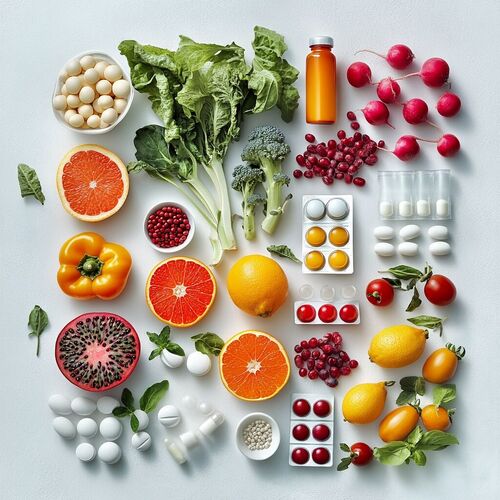 The Need for Vitamins and Minerals on a Low-Calorie Diet: Which Substances Are Most Often Deficient and How to Replenish Them
Low-calorie nutrition has recently become popular among those who aim to lose weight or maintain a healthy body weight. However, dietary restrictions, especially a sharp decrease in calories, can lead to a deficiency in a number of important vitamins and minerals. In this article, we will discuss which vitamins and minerals most often end up in the "risk zone" on a low-calorie diet, as well as how to properly address these deficiencies to avoid harming your health and to maintain excellent well-being.
Why Vitamins and Minerals Are Needed
Vitamins and minerals are essential micronutrients that participate in a multitude of the body's biochemical processes. They ensure the normal functioning of the:
- Immune system
- Nervous system
- Musculoskeletal system
- Metabolism
A lack of essential vitamins and minerals decreases immunity, worsens overall health, slows down metabolism, and can lead to a variety of chronic diseases. Therefore, even when following a low-calorie diet, it is extremely important to monitor the intake of necessary micronutrients.
Causes of Micronutrient Deficiency on a Low-Calorie Diet
-
Reduced Amount of Food
The less we eat, the harder it is to meet the body’s needs for all essential elements. Even if the diet is balanced in proteins, fats, and carbohydrates, a deficiency of vitamins or minerals can occur simply due to a reduced overall volume of food. -
Monotonous Diet
Calorie restriction is often accompanied by a decrease in food variety. People start eating the same dishes, which automatically leads to a deficiency of several nutrients. -
Lack of Fresh Vegetables and Fruits
Many try to restrict carbohydrates (especially fast ones) and at the same time cut down on portions of fruits and vegetables out of fear of "extra" calories or sugar. But these products are the main source of vitamins, minerals, and fiber. -
Increased Needs of the Body
Athletes or people with an active lifestyle require higher amounts of vitamins and minerals, especially during low-calorie periods. If this is not taken into account, it's easy to develop hypovitaminosis.
Vitamins Most Often Deficient on a Low-Calorie Diet
1. B Vitamins
Why They Are Important:
- Participate in the process of energy production from proteins, fats, and carbohydrates.
- Affect the condition of the nervous system, skin, and hair.
- Support normal blood formation.
Signs of Deficiency:
- Fatigue, weakness, irritability.
- Skin problems (flaking, dryness).
- Hair loss, brittle nails.
- Digestive disorders.
How to Replenish:
- Include whole grain products in your diet (buckwheat porridge, oatmeal, brown rice).
- Regularly eat legumes (beans, peas, chickpeas).
- Add nuts and seeds (for example, sunflower or pumpkin seeds).
- Consider B complex supplements if dietary sources are insufficient.
2. Vitamin D
Why It Is Important:
- Regulates calcium and phosphorus metabolism, responsible for strong bones and teeth.
- Supports the immune system.
- Linked to normal functioning of the nervous system and muscle strength.
Signs of Deficiency:
- Frequent colds, reduced immunity.
- Increased fatigue, drowsiness.
- Joint pain, muscle weakness.
- In the long term—osteopenia and osteoporosis.
How to Replenish:
- Ensure adequate sun exposure (at least 15–20 minutes a day).
- Include fatty fish (salmon, herring, mackerel), eggs, and dairy products (cottage cheese, yogurt) in your diet.
- If necessary, take vitamin D supplements (after consulting with a specialist to determine the correct dosage).
3. Vitamin C (Ascorbic Acid)
Why It Is Important:
- An antioxidant that protects cells from free radical damage.
- Aids collagen synthesis, important for healthy skin, joints, and blood vessels.
- Improves iron absorption.
- Strengthens immunity.
Signs of Deficiency:
- Bleeding gums.
- Bruising easily from minor injuries.
- General decrease in immunity, frequent colds.
- Deterioration of skin condition (dryness, slow healing of wounds).
How to Replenish:
- Eat fresh fruits and vegetables: citrus fruits, kiwi, berries, bell peppers, cabbage.
- Add fresh herbs (parsley, dill), especially fresh ones.
- In case of severe deficiency, additional vitamin C supplements may be taken (these are available in various forms and dosages).
4. Vitamin A
Why It Is Important:
- Participates in tissue growth and repair processes.
- Important for vision (especially night vision).
- Supports healthy skin, hair, and nails.
Signs of Deficiency:
- “Night blindness” (worsening vision at dusk).
- Dryness and flaking of the skin.
- Brittleness of hair and nails.
How to Replenish:
- Eat vegetables and fruits rich in beta-carotene: carrots, pumpkin, bell pepper, apricots.
- Add butter, liver (beef or cod), eggs to your diet.
- Take multivitamins if dietary sources are not sufficient.
Minerals That Are Critical When Reducing Calories
1. Iron
Why It Is Important:
- Main component of hemoglobin, which transports oxygen throughout the body.
- Participates in metabolic processes and immune function.
Signs of Deficiency (Anemia):
- Weakness, dizziness, persistent fatigue.
- Pale skin.
- Shortness of breath with even mild physical activity.
- Brittle nails and hair loss.
How to Replenish:
- Include red meat, liver, poultry, fish in your diet.
- Add legumes and greens (spinach, parsley).
- Enhance absorption of iron by combining it with foods rich in vitamin C.
- In severe cases (low hemoglobin level)—take iron supplements as prescribed by a doctor.
2. Calcium
Why It Is Important:
- The main "building block" for bones and teeth.
- Affects blood clotting and muscle function.
Signs of Deficiency:
- Increased bone fragility, osteoporosis.
- Leg cramps, especially at night.
- Increased nail brittleness, poor dental health.
How to Replenish:
- Dairy products (cottage cheese, cheese, kefir) are the main sources of calcium.
- Cabbage (especially broccoli), almonds, sesame seeds, fish with bones (sardines).
- If necessary—take supplements (calcium+D3).
3. Magnesium
Why It Is Important:
- Involved in energy metabolism, especially important for heart and nervous system function.
- Regulates nerve-muscle impulse transmission.
Signs of Deficiency:
- Muscle cramps, tremors.
- Increased irritability, anxiety.
- Fatigue, sleep problems.
How to Replenish:
- Eat nuts (especially almonds and cashews), seeds (pumpkin, sunflower), whole grain cereals.
- Add legumes (beans, peas).
- Take magnesium supplements if your diet lacks magnesium.
How to Prevent Deficiencies and Maintain Health
-
Make a Balanced Diet
- Include a variety of foods in your menu, not just “low-calorie” salads and soups.
- Try to include proteins (lean meat, fish, eggs, cottage cheese), complex carbohydrates (porridge, whole grain bread), and healthy fats (fish, nuts, avocado) on your plate.
-
Eat More Vegetables and Fruits
- Vegetables and fruits are the foundation of vitamin and mineral balance.
- Choose seasonal produce: they often contain more nutrients and are cheaper.
-
Monitor Micronutrient Balance
- Use apps to track calories and macronutrients. Many of them also show an estimated intake of vitamins and minerals.
- If necessary, get blood tests to identify deficiencies in a timely manner.
-
Take Vitamin and Mineral Complexes (If Indicated)
- If your diet is poor, quality multivitamins may help.
- However, before starting any supplements, it's best to consult a doctor.
-
Follow a Meal Routine
- Avoid extreme diets.
- The optimal option is moderate calorie reduction (by 200–300 kcal from your usual norm), which will allow you to lose weight without a sharp depletion of vitamin and mineral reserves.
-
Pay Attention to How You Feel
- If you notice persistent fatigue, sleep or skin problems, this may be a sign of micronutrient deficiency.
- Any alarming symptoms are a reason to see a specialist.
Low-calorie nutrition is an effective tool for weight loss and maintaining slimness. However, if approached incorrectly, it can lead to a deficiency of important vitamins and minerals. The main “victims” of a low-calorie diet are B vitamins, D, C, A, as well as iron, calcium, and magnesium. In order to maintain health, energy, and beauty, it's important to ensure a balanced diet, use a variety of foods, and, if necessary, take additional vitamin and mineral complexes.
Remember that every body is unique. To accurately determine possible deficiencies and adjust your diet, it's helpful to consult a dietitian or nutritionist. By ensuring the full intake of all necessary substances, you will not only achieve your weight goals, but also strengthen your health for many years to come.