Does Fitness Help You Lose Weight: How Workouts Affect Weight and Body Shape
Fitness is often seen as a straightforward path to weight loss: you join a gym, start training, and wait for the scale to show a decrease. But after several weeks, the results may be more modest than expected. Sometimes weight doesn’t change at all, even if workouts have become regular.
This raises a logical question: does fitness help you lose weight, or are workouts almost useless without a strict diet?
Один человек проходит километр за 1 300 шагов, другому для такого же расстояния требуется 1 600 шагов. Оба результата могут быть правильными.
Количество шагов в одном километре зависит прежде всего от длины шага. На нее влияют рост, длина ног, скорость движения, рельеф, обувь и привычная техника ходьбы. Поэтому универсального ответа для всех не существует, но примерное значение можно определить по росту.
How Many Calories Walking Burns in 30, 60, and 90 Minutes
Walking may seem like a simple activity, but a prolonged walk can burn a noticeable amount of energy. The total expenditure primarily depends on a person’s weight, walking speed, duration, terrain, and physical fitness.
What Happens If You Walk Every Day: Changes After a Month
Daily walking seems like too simple of an exercise to noticeably affect the body. You don't need to buy a gym membership, learn complicated exercises, or set aside a separate hour for a workout. It's enough to step outside and take a walk.
But what happens if you walk every day for a month? Will you lose weight, will it become easier to climb stairs, will your sleep improve, and when will the first noticeable changes appear?
Fast or slow walking: which is more effective for weight loss
Imagine two walks. In the first case, you walk leisurely, look at shop windows, and easily carry on a conversation. In the second, you pick up the pace, move your arms more actively, your breathing becomes more noticeable, but you still don’t want to start running.
Which type of walking is better for weight loss?
If you compare the same amount of time, fast walking usually burns more calories. But this doesn’t mean that a slow walk is useless. It’s easier to walk longer at a comfortable pace, go out more often, and accumulate more steps in a week when walking calmly.
Money Walking: What Is This New Trend and Does It Really Work?
Not so long ago, people went for walks to reach 10,000 steps, lose weight, or just clear their heads. Now, walking has a new goal: financial.
On social media, "money walking" is gaining popularity. Participants set a certain financial goal, walk a set distance daily, reflect on their income, and hope that the required amount will appear in their lives during the challenge period.
Some share stories of new clients and unexpected transfers. Others are skeptical and believe coincidences prove that the practice works.
Let’s figure out what money walking is, whether you really have to walk 12 km, where the 21 days came from, and whether you can really improve your financial situation with walks.
SUP Board and Weight Loss: Does SUP Help You Lose Weight?
Paddleboarding may look like a peaceful stroll on the water from the outside. A person stands on the board, leisurely paddling and enjoying the scenery. However, even at low speeds, the body constantly maintains balance, and the muscles of the arms, back, core, and legs are engaged.
SUP board can indeed be used for weight loss. It increases energy expenditure, builds endurance, and helps make your lifestyle more active. But simply going out on the water by itself does not guarantee weight loss. The result will depend on the regularity of your sessions, their duration, and your overall calorie deficit.
You’ve started working out, are trying to follow a diet, moving more, and expect to see a lower number on the scale. But the morning after a workout, the number has gone up. Sometimes by 300–500 grams, sometimes by a kilo or even more.
The first thought is usually a worried one: “Are workouts not helping and am I gaining weight?”
The problem is almost never the lack of a continuous 60 minutes. The problem is that walking is perceived as a separate workout, not as the sum of short segments.
Working principle: 3-6 micro-walks of 5-10 minutes a day give more than an occasional long walk once a week. And it's easier to fit into reality.
 Does Fitness Help You Lose Weight: How Workouts Affect Weight and Body Shape
 Сколько шагов в одном километре: таблица по росту
 How Many Calories Walking Burns in 30, 60, and 90 Minutes
 What Happens If You Walk Every Day: Changes After a Month
 Fast or slow walking: which is more effective for weight loss
 Money Walking: What Is This New Trend and Does It Really Work?
 SUP Board and Weight Loss: Does SUP Help You Lose Weight?
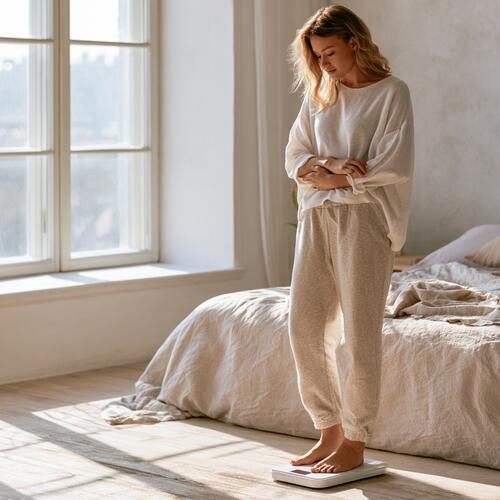 Why Your Weight Goes Up After a Workout
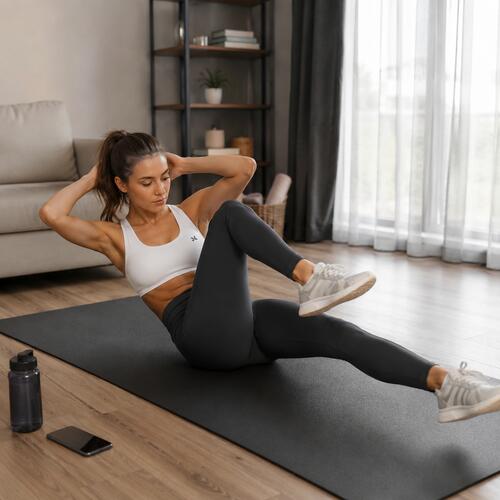 Who is this workout suitable for?
 Why It Seems Like There’s No Time