Nutrition Before and After Workout: What to Eat to Lose Weight and Make Progress
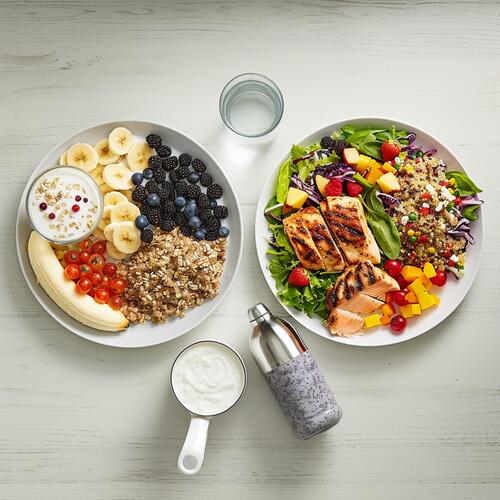 Nutrition around workouts isn’t “magic,” but it really does affect your well-being, workout quality, and recovery. The main goal is simple: provide energy for the workout and meet your protein and fluid needs afterwards. Weight loss will still depend on the calorie deficit per day and week.
Basics: What’s Important to Understand
-
For weight loss, a calorie deficit is key; working out helps create it.
-
For body shape and tone, protein is important every day, not just “after the gym.”
-
Meal timing affects comfort and performance, especially if the workout is intense.
-
There’s no universal menu, but there are universal rules.
Nutrition Before a Workout
Main Goal
Give energy and don’t upset your stomach. The closer to your workout, the simpler the meal should be.
When to Eat Before a Workout
-
2-3 hours before
Normal meal: protein + carbs + a little fat.
Suitable for the gym, swimming, intense cardio. -
60-90 minutes before
Light meal: carbs + a little protein, minimal fat and fiber. -
15-30 minutes before
Only if needed: a small snack with fast carbs, nothing heavy.
What to Eat Before Strength Training
Priority: carbs for energy + protein to reduce muscle breakdown and improve recovery.
Examples 2-3 hours before:
-
buckwheat or rice + chicken/turkey + vegetables
-
whole grain pasta + tuna + salad
-
potatoes + fish + vegetables
Examples 60-90 minutes before:
-
yogurt or kefir + banana
-
oatmeal with milk + berries
-
whole grain toast + cottage cheese 2-5%
If you have a sensitive GI tract, reduce fat and raw veggies before your workout, and save fiber for another time.
What to Eat Before Cardio
If cardio is moderate and 30-45 minutes, many feel fine exercising without food, especially in the morning.
If cardio is interval or long, it’s better to add carbs 60-90 minutes before.
Examples:
-
banana + yogurt
-
small portion of oatmeal
-
toast + honey or jam if you’re “out of fuel”
What to Eat Before Swimming
Swimming often increases appetite afterwards, so it’s best not to go in hungry. Ideally, 60-120 minutes before: carbs + protein.
Nutrition After a Workout
Main Goal
Recovery and hunger control, so you don’t end up bingeing at night.
After a workout you need:
-
protein
-
fluids
-
carbs as needed (especially after strength or long cardio)
When to Eat After a Workout
Target: within 1-2 hours after, not because of the “anabolic window,” but to curb hunger and recover properly.
How Much Protein After a Workout
Practical range per meal: 20-40 g of protein. The exact amount depends on weight and daily needs, but for most, this is enough to kickstart recovery.
Examples of protein options:
-
200 g cottage cheese
-
2-3 eggs + fish/turkey
-
Greek yogurt + added protein (optional)
-
chicken/turkey 120-180 g
What to Eat After Strength Training
Protein + carbs. Fats are fine in moderation.
Examples:
-
rice/buckwheat + turkey + vegetables
-
potatoes + fish + salad
-
lavash/pita + chicken + vegetables + yogurt sauce
What to Eat After Cardio
If cardio is light and short, stick to your regular scheduled meal.
If cardio was hard or long, add carbs so you don’t get “ravenous hunger.”
Examples:
-
omelette + toast + vegetables
-
yogurt + fruit + a little granola
-
soup + crispbread + salad
If You Work Out in the Evening
Main mistake: “I won’t eat after to lose weight,” but then you get night cravings and overeat.
It’s better to have a light dinner: protein + veggies + a small serving of carbs if needed.
Examples:
-
fish + vegetables + 100-150 g potatoes or grains
-
cottage cheese + berries
-
omelette + salad
What to Drink Before and After Workouts
-
Before: 300-500 ml water 1-2 hours before, plus a few sips just before starting.
-
During: as needed, especially if it’s hot or the session is longer than 45-60 minutes.
-
After: water + a pinch of salt or mineral water if you sweat a lot.
Strong thirst after the pool or gym is easily mistaken for hunger.
Common Mistakes
-
Too much fatty food right before a workout
Heaviness, nausea, and worse performance. -
Too much fiber before training
Raw vegetables, bran, large portions of seeds right before often cause bloating. -
Total fasting before an intense workout
Lowers your pace, then leads to overeating. -
“I deserve a treat”
One sweet “reward” can cancel out the calories you burned in your workout. -
No protein throughout the day
If protein is low, the body recovers worse and hunger is often higher.
Ready-to-Use Meal Schemes Around Training
Scheme 1, Daytime Workout
-
2-3 hours before: normal lunch
-
30-60 minutes before: banana or yogurt if needed
-
after: dinner with protein
Scheme 2, Morning Workout
Option A: fasted (if comfortable) + breakfast after
Option B: light snack 15-30 minutes before + breakfast after
Scheme 3, Evening Workout
-
1.5-2 hours before: light meal
-
after: protein + vegetables, carbs as needed according to hunger and activity
FAQ
Do I need to eat before a workout if I’m losing weight?
If the workout is light, it’s fine without food. If it’s intense, better to have a light meal, or the workout quality will suffer and hunger will be strong afterwards.
What’s best to eat an hour before a workout?
Carbs + a little protein: yogurt and banana, a small portion of oatmeal, toast and cottage cheese.
Can I skip eating after a workout?
You can if you have a regular meal planned soon after. But this often raises the risk of overeating in the evening, especially after swimming or strength training.
How much protein is needed after a workout?
The guideline is 20-40 g protein in a meal, then continue to meet your daily requirement with your diet.
Do I need to “fill the carb window”?
Your total daily intake is more important. Carbs after a workout help if it was heavy or long, to reduce hunger and speed recovery.
What if I crave sweets after a workout?
Check if you had enough to eat before, and add protein + a proper meal after. Often this craving is under-eating and fatigue, not “poor willpower.”