Орехи вместо конфет, авокадо вместо колбасы, гранола вместо печенья, натуральный йогурт вместо мороженого. Кажется, что после таких замен количество еды уже не имеет большого значения.
Но через несколько недель вес не снижается. Иногда он даже начинает расти, хотя в рационе почти нет фастфуда, сладких напитков и обычных десертов.
Причина может быть простой: полезная еда остается едой и содержит калории. Некоторые продукты с хорошим составом обладают высокой энергетической плотностью, поэтому даже небольшая порция может заметно увеличить суточную калорийность.
Yes, it is possible to lose weight without breakfast. For weight loss, it is not the mere fact of eating in the morning that matters, but the number of calories a person consumes and expends throughout the day.
If skipping breakfast makes it easier for you to maintain a calorie deficit, you don’t feel weak, and you don’t overeat in the evening, this regimen can be convenient. However, skipping breakfast by itself does not trigger intensified fat burning or guarantee weight loss.
For some people, skipping the morning meal does indeed reduce their overall calorie intake. For others, the opposite happens: by evening, they experience strong hunger, larger portion sizes, and unplanned snacking. Therefore, there is no universal rule here.
First, the important part: “eating little” does not always mean a deficit
Most often, the situation looks like this: subjectively, you’re eating less than before, but objectively there is no deficit or it is too small and masked by water.
In practice, weight “stalls” because of 2 things:
There’s a deficit on paper, but not in reality due to little things
There is a deficit, but progress is hidden by water, food volume, and fluctuations
Below are 12 of the most common reasons and what to do about them.
Myths are convenient: they promise quick results and an easy fix. But weight loss almost always comes down to the basics: calorie deficit, a balanced diet, movement, and recovery. If you rely on a myth, you put in a lot of effort for weak results, leading to setbacks and disappointment.
Below are the most common myths that really slow down progress.
Losing weight is only half the journey. The most difficult part begins afterward, when your goal weight is reached and strict rules are no longer motivating. It's at this stage—weight maintenance—that most relapses occur.
Let’s break down how to maintain your weight after weight loss and make your results stable—not temporary.
Refusing sweets is considered a mandatory condition for losing weight. In practice, it’s the strict prohibition that most often leads to breakdowns, overeating, and setbacks.
Good news: you can eat sweets and still lose weight. It’s not about what exactly you eat, but how, how much, and in what context.
Cheat meals are one of the most debated topics in weight loss. Some consider them essential for boosting metabolism, while others are convinced that cheat meals are a direct path to breakdowns and setbacks.
Let’s calmly break it down with facts: are cheat meals necessary for weight loss, when can they be helpful, and when do they only get in the way of results.
Salt baths have long been used in home body care. But do they really help with weight loss? Let's figure out how salt works in water, what types exist, how to properly take salt baths, and what science has to say.
What is a salt bath?
A salt bath is a bath to which sea, Epsom (English), pink Himalayan, or other natural salts are added. The water becomes enriched with minerals, which, when in contact with the skin and body, may have various effects—from relaxation to improved microcirculation.
Sassi Water — one of the most popular detox drinks among those who want to lose weight without diets or pills. The recipe is simple, the ingredients are accessible, and the promises are impressive. But does it really help you lose weight? Let's examine what science, reviews, and common sense have to say.
Many people aiming to lose weight often believe that drastically reducing calorie intake is an effective way to achieve the desired results quickly. However, this is a common myth that can lead to unwanted and even dangerous health consequences.
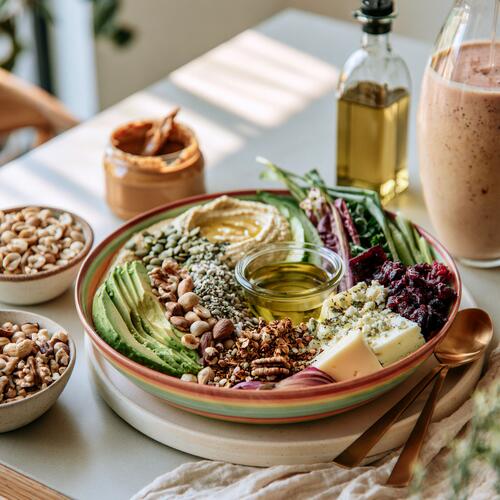 Почему полезной едой можно переесть
 Is it Possible to Lose Weight Without Breakfast?
 First, the important part: “eating little” does not always mean a deficit
 Why Myths Are So Persistent
 How to Maintain Your Weight After Losing Weight
 How to Eat Sweets and Lose Weight
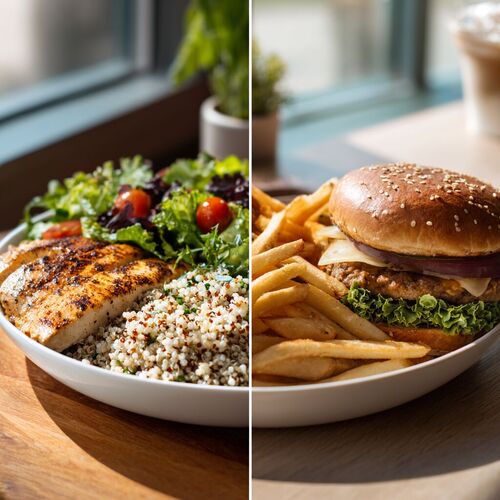 Do You Need Cheat Meals When Losing Weight?
 Salt baths have long been used in home body care. But do they really help with weight loss? Let's figure out how salt works in water, what types exist, how to properly take salt baths, and what science has to say.
 Sassi Water — one of the most popular detox drinks among those who want to lose weight without diets or pills. The recipe is simple, the ingredients are accessible, and the promises are impressive. But does it really help you lose weight? Let's examine what science, reviews, and common sense have to say.
 Many people aiming to lose weight often believe that drastically reducing calorie intake is an effective way to achieve the desired results quickly. However, this is a common myth that can lead to unwanted and even dangerous health consequences.