

What foods to buy for a week to lose weight: a ready-made list
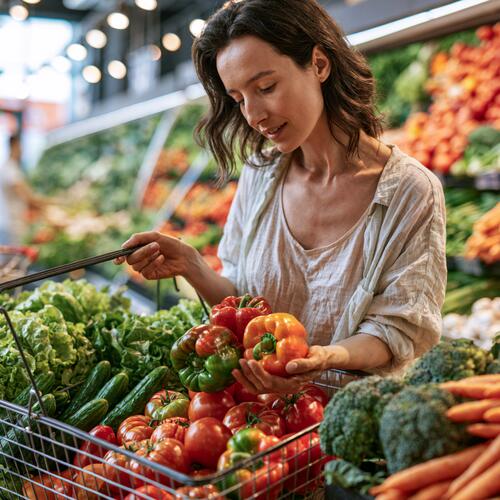 What Groceries to Buy for a Week of Weight Loss: Ready-to-Use Shopping List
Buying groceries for the week helps solve several problems at once: you always have the basics for a proper meal at home, the food gets used on time, and you don't have to come up with a dinner idea every evening.
But a weight loss grocery list for the week shouldn’t just be chicken breast, cucumbers, and fat-free cottage cheese. For comfortable weight loss, you need different protein sources, filling side dishes, vegetables, fruits, dairy products, and a small amount of fat.
Below is a ready-made shopping list for one person for 7 days. You can put together breakfasts, lunches, dinners, and snacks from it—no complicated recipes needed. The quantity is approximate. Adjust it according to your calorie needs, appetite, physical activity level, and number of meals per day.
Short Weekly Grocery List
If you need the simplest version without detailed explanations, add the following to your cart:
-
chicken or turkey;
-
white and red fish;
-
eggs;
-
cottage cheese and plain yogurt;
-
tuna in its own juice;
-
beans, chickpeas, or lentils;
-
oatmeal;
-
buckwheat;
-
rice or bulgur;
-
whole-wheat pasta;
-
potatoes;
-
whole-grain bread;
-
fresh and frozen vegetables;
-
apples, bananas, and seasonal fruit;
-
frozen berries;
-
vegetable oil;
-
mustard, tomato sauce, and spices;
-
a small package of nuts.
This set is enough to make a varied diet without having to cook a separate meal for every eating occasion.
Which Foods Help You Lose Weight
There are no foods that burn fat by themselves. Weight is lost when you consume less energy than you expend.
A thoughtfully composed shopping list helps you maintain a calorie deficit without constant hunger. To do this, your diet should regularly include:
-
Protein foods for satiety and muscle preservation.
-
Vegetables to increase portion volume.
-
Grains, bread, and potatoes as carbohydrate sources.
-
Fruit and berries for convenient snacks and desserts.
-
Fats in controlled amounts.
-
Quick-prep foods for when you have no time to cook.
It is not necessary to buy special products labeled as “fitness”, “Healthy Eating”, or “for weight loss.” Ordinary buckwheat, eggs, fish, potatoes, frozen vegetables, and plain yogurt are often more practical and cost-effective.
Protein Foods
It’s recommended to include protein in every main meal. This doesn’t mean chicken breast all week long. Fish, eggs, cottage cheese, meat, and legumes can be alternated throughout the week. You can determine the right amount for you using the article “How Much Protein Do You Need for Weight Loss: Daily Norm and Meal Distribution”.
What to Buy for One Person
-
chicken or turkey fillet: 800–1000 g;
-
lean beef or turkey mince: 300–400 g;
-
white fish: 500–600 g;
-
red fish: 250–300 g;
-
eggs: 10 pcs;
-
tuna in its own juice: 2 cans;
-
beans, chickpeas, or lentils: 2 cans or 300 g dry product.
This quantity is enough to alternate poultry, fish, eggs, meat, and legumes.
You don’t have to buy all items at once. For example, you can substitute beef for an extra package of fish, and replace tuna with eggs or beans.
What to Choose
For daily meals, it’s convenient to buy:
-
skinless chicken and turkey;
-
cod, pollock, hake, pike perch;
-
pink salmon, trout, or mackerel;
-
beef with minimal visible fat;
-
tuna in its own juice;
-
beans and chickpeas without sweet sauces.
Red fish and mackerel are higher in calories than white fish, but you don't need to eliminate them completely. It’s important to consider portion size and total daily calorie intake.
Grains, Pasta, Potatoes, and Bread
You don’t have to completely eliminate carbohydrates to lose weight. Grains, bread, and potatoes make meals more filling and help prevent intense cravings for sweets.
Approximate Weekly Amount
-
oat flakes: 300–350 g;
-
buckwheat: 250–300 g;
-
rice or bulgur: 250–300 g;
-
whole-wheat pasta: 200–250 g;
-
potatoes: 1–1.2 kg;
-
whole-grain or rye bread: 400–500 g;
-
crispbreads: 1 small pack.
All grain amounts are listed dry.
It’s not necessary to use four different side dishes. You can choose two favorite grains—e.g., buckwheat and rice—while using potatoes and bread for other meals.
Should You Buy Only Whole Grains?
Whole-grain bread and grains usually contain more fiber, but ordinary rice, potatoes, and pasta can also be included in the diet.
For weight loss, what matters more is:
-
portion size;
-
cooking method;
-
the amount of oil and sauces used;
-
total daily calories;
-
whether the side dish is combined with protein and vegetables.
For example, potatoes with baked fish and vegetables make a good dinner. Potatoes fried in a lot of oil and served with fatty sauce will have a very different calorie count.
Vegetables
Vegetables make portions larger and help you prepare filling meals without drastically increasing the calories.
Fresh Vegetables for the Week
-
cucumbers: 600–700 g;
-
tomatoes: 700–800 g;
-
white cabbage or napa cabbage: 600–700 g;
-
carrots: 400–500 g;
-
onions: 300–400 g;
-
bell pepper: 300–400 g;
-
zucchini or eggplant: 500–600 g;
-
herbs: 100–150 g;
-
garlic: 1 head.
You don’t need to buy ten types of vegetables. To start, cabbage, carrots, cucumbers, tomatoes, and a pack of frozen mix are enough.
To keep food from spoiling, buy perishables for the first 3–4 days, and save cabbage, carrots, and frozen blends for the second half of the week.
Fruits and Berries
Fruit is handy for snacks, breakfasts, and homemade desserts.
Approximate Amount
-
apples: 5–7 pcs;
-
bananas: 4–5 pcs;
-
oranges, tangerines, pears, or seasonal fruit: 4–5 pcs;
-
frozen berries: 400–500 g;
-
lemon: 1–2 pcs.
You don’t need to buy several kilos of fruit at once. For one person, usually two types of fresh fruit and one pack of frozen berries are enough.
Bananas are not forbidden during weight loss. They’re great in oatmeal, cottage cheese, or yogurt. The key is to watch the amount, not cut out the food just because it’s sweet.
Dairy Products
Dairy products make it easy to put together a quick breakfast or snack without any cooking.
What to Buy
-
cottage cheese 2–5%: 600–700 g;
-
plain or Greek yogurt without added sugar: 800–1000 g;
-
milk: 1 liter;
-
cheese: 100–150 g;
-
kefir or ryazhenka: 500–1000 ml, optional.
No need to choose only fat-free products. 2–5% cottage cheese and moderately fatty yogurt are often tastier and more filling.
The main thing is to check the ingredients and calories for each product. Flavored yogurt can have much more sugar and calories than the plain version.
If you are lactose-intolerant, you can replace dairy with:
-
eggs;
-
fish;
-
meat;
-
tofu;
-
legumes;
-
plant-based drinks without added sugar;
-
lactose-free products.
Frozen Products
Freezing helps ensure you don’t run out of vegetables, berries, or fish at the end of the week.
Handy Stock
-
broccoli or cauliflower: 400–600 g;
-
vegetable mix without sauce: 600–800 g;
-
spinach: 200–300 g;
-
berries: 400–500 g;
-
fish fillet: 500–600 g, if not buying chilled.
Frozen vegetables require no peeling or cutting. You can sauté them, microwave them, or add to soup.
Check the ingredients of the veggie mix. It should be just vegetables, not oil, cheese sauce, or breading.
Canned Goods
Canned foods come in handy when there’s no time to cook meat or fish.
What to Keep at Home
-
tuna in its own juice: 2 cans;
-
beans: 1 can;
-
chickpeas: 1 can;
-
tomatoes in their own juice or tomato passata: 1 pack;
-
corn: 1 small can, optional;
-
green peas: 1 small can, optional.
It’s best to rinse beans and chickpeas with water before use. Drain the liquid from tuna and use only the solid portion for measurements.
Canned food in oil can also be used, but it’s usually higher in calories. For daily meals, tuna in its own juice is more convenient.
Healthy Sauces and Additions
Even simple foods taste better if you vary the spices, dressings, and preparation methods.
What to Buy
-
vegetable or olive oil;
-
mustard;
-
tomato paste or passata;
-
soy sauce;
-
plain yogurt for dressing;
-
lemon juice;
-
vinegar;
-
paprika;
-
dried garlic;
-
black pepper;
-
herb mix;
-
cinnamon;
-
nuts or seeds: 100–150 g.
Oil, nuts, seeds, and cheese are healthy but high in calories. It’s best not to add them randomly.
For example, a spoonful of oil can drastically change the calorie count of a salad or finished meal. It’s easier to put your plate on a scale, zero it out, and add in the desired amount of dressing.
Complete Grocery List for One Person for 7 Days
The suggested amounts are a reference for a meal plan with three main meals and one or two snacks per day. They are not mandatory.
Protein Foods
-
chicken or turkey: 800–1000 g;
-
lean meat or mince: 300–400 g;
-
white fish: 500–600 g;
-
red fish: 250–300 g;
-
eggs: 10 pcs;
-
tuna: 2 cans;
-
beans or chickpeas: 2 cans.
Dairy Products
-
cottage cheese: 600–700 g;
-
plain yogurt: 800–1000 g;
-
milk: 1 liter;
-
cheese: 100–150 g;
-
kefir or ryazhenka: 500–1000 ml, optional.
Sides and Bread
-
oatmeal: 300–350 g;
-
buckwheat: 250–300 g;
-
rice or bulgur: 250–300 g;
-
pasta: 200–250 g;
-
potatoes: 1–1.2 kg;
-
bread: 400–500 g;
-
crispbreads: 1 pack.
Vegetables and Greens
-
cabbage: 600–700 g;
-
cucumbers: 600–700 g;
-
tomatoes: 700–800 g;
-
carrots: 400–500 g;
-
onions: 300–400 g;
-
bell pepper: 300–400 g;
-
zucchini or eggplant: 500–600 g;
-
herbs: 100–150 g;
-
frozen vegetables: 1–1.2 kg.
Fruits and Berries
-
apples: 5–7 pcs;
-
bananas: 4–5 pcs;
-
pears, oranges or seasonal fruit: 4–5 pcs;
-
frozen berries: 400–500 g;
-
lemon: 1–2 pcs.
Sauces and Additions
-
vegetable oil;
-
mustard;
-
tomato passata;
-
soy sauce;
-
spices;
-
nuts or seeds: 100–150 g.
Sample 7-Day Menu from These Groceries
You can mix and match the purchased groceries in various combinations, without sticking to a strict schedule. Chicken, fish, eggs, cottage cheese, and legumes are convenient as the foundation for the evening meal. Additional ideas can be found in the article “What to Eat in the Evening for Weight Loss Without Hunger: 20 Dinner Ideas”. This is not a fixed-calorie menu. Adjust portion sizes for your needs in the SIT30 app.
Day 1
Breakfast: oatmeal cooked in milk with banana and cinnamon.
Snack: plain yogurt and an apple.
Lunch: chicken fillet, buckwheat, cabbage and carrot salad.
Dinner: white fish, potatoes, and broccoli.
Day 2
Breakfast: two-egg omelet, bread, and tomatoes.
Snack: cottage cheese with berries.
Lunch: pasta with turkey mince, tomato sauce, and zucchini.
Dinner: salad with tuna, beans, cucumber, and greens.
Day 3
Breakfast: plain yogurt with rolled oats, berries, and a small amount of nuts.
Snack: egg, crispbread, and cucumber.
Lunch: white fish, rice, and vegetable mix.
Dinner: cottage cheese with greens, vegetables, and whole-grain bread.
Day 4
Breakfast: oatmeal with apple and cinnamon.
Snack: yogurt with berries.
Lunch: beef or turkey, buckwheat, and cabbage salad.
Dinner: omelet with spinach, tomatoes, and potatoes.
Day 5
Breakfast: cottage cheese with banana and berries.
Snack: apple and a small portion of nuts.
Lunch: chicken, rice, and stewed vegetables.
Dinner: red fish, baked potatoes, and salad.
Day 6
Breakfast: eggs, bread, cucumbers, and tomatoes.
Snack: plain yogurt and fruit.
Lunch: stew with chicken, chickpeas, vegetables, and tomato passata.
Dinner: white fish, buckwheat, and frozen vegetable mix.
Day 7
Breakfast: overnight oats with yogurt and berries.
Snack: cottage cheese or yogurt with fruit.
Lunch: warm bowl with leftover grains, chicken, and vegetables.
Dinner: salad with tuna or beans, vegetables, and whole-grain bread.
The menu is designed so ingredients repeat. This reduces costs and leftovers, while the meals still remain varied.
How to Prep Groceries After Shopping
You don’t need to cook all your meals for the entire week in advance. A few preps will do.
On Shopping Day
-
Divide meat and fish into 150–200 g portions.
-
Keep some for the next two days; freeze the rest.
-
Cook one or two grains.
-
Boil a few eggs.
-
Slice cabbage and carrots for salad.
-
Wash fruits.
-
Divide nuts into small portions.
-
Freeze bread in portioned slices if you won’t finish the loaf in time.
It's not recommended to keep cooked grains, meat, and fish in the fridge for the whole week. Better to cook for 2–3 days or freeze individual portions.
How to Customize the List for Yourself
You don’t need to copy the list fully. Use it as a base. Meat, fish, sides, and vegetables can be cooked for the whole family, then weigh your own portion. For soup, stew, casserole, or any multi-ingredient meal, first calculate the calories for all ingredients, then weigh the finished dish to determine the values per 100 g. A detailed formula and examples are in the article “How to Calculate Calories in Complex Dishes: Soup, Pilaf, Salad, and Casserole”.
If You Don’t Eat Meat
Increase the amount of:
-
fish;
-
eggs;
-
cottage cheese and yogurt;
-
tofu;
-
beans;
-
chickpeas;
-
lentils.
If You Don’t Eat Dairy Products
Replace them with:
-
eggs;
-
fish;
-
meat;
-
legumes;
-
tofu;
-
plant-based yogurt without added sugar.
If You Need a Budget-Friendly Option
-
replace red fish with mackerel or an extra portion of white fish;
-
swap turkey for chicken;
-
buy fresh berries only in season;
-
use cabbage, carrots, beets, and frozen vegetables;
-
choose dried beans and lentils instead of canned;
-
opt for seasonal fruits;
-
reduce the number of grain types to two.
If Shopping for a Family
You don’t have to simply multiply the entire list by family size. First figure out which dishes everyone will eat and which will be prepared just for you.
Meat, fish, sides, and vegetables can be cooked for the family, weighing your own portion for tracking. For complex dishes, it’s easier to calculate total and per-100 g calories.
How to Avoid Buying Too Much
Before going to the store, do four things:
-
Check your stock of grains, canned food, oil, and spices at home.
-
Choose three breakfast ideas, three lunches, and three dinners.
-
Plan meals around repeat ingredients.
-
Reserve one standby dinner from frozen veggies, eggs, fish, or canned tuna.
No need to buy lots of perishable goods just because they’re “healthy.” Spoiled vegetables and cottage cheese don’t help you eat right—they just increase expenses.
Weekly Shopping Checklist
You can save or print this list.
Protein Foods
-
Chicken or turkey: 800–1000 g
-
Lean meat or mince: 300–400 g
-
White fish: 500–600 g
-
Red fish: 250–300 g
-
Eggs: 10 pcs
-
Tuna in its own juice: 2 cans
-
Beans or chickpeas: 2 cans
Dairy Products
-
Cottage cheese: 600–700 g
-
Plain yogurt: 800–1000 g
-
Milk: 1 liter
-
Cheese: 100–150 g
-
Kefir or ryazhenka: optional
Grains and Bread
-
Oatmeal: 300–350 g
-
Buckwheat: 250–300 g
-
Rice or bulgur: 250–300 g
-
Pasta: 200–250 g
-
Potatoes: 1–1.2 kg
-
Whole-grain bread: 400–500 g
-
Crispbreads: 1 pack
Vegetables
-
Cabbage: 600–700 g
-
Cucumbers: 600–700 g
-
Tomatoes: 700–800 g
-
Carrots: 400–500 g
-
Onions: 300–400 g
-
Bell pepper: 300–400 g
-
Zucchini or eggplant: 500–600 g
-
Herbs: 100–150 g
-
Frozen vegetables: 1–1.2 kg
Fruits and Berries
-
Apples: 5–7 pcs
-
Bananas: 4–5 pcs
-
Oranges, pears, or seasonal fruit: 4–5 pcs
-
Frozen berries: 400–500 g
-
Lemon: 1–2 pcs
Dressings and Additions
-
Vegetable oil
-
Mustard
-
Tomato passata
-
Soy sauce
-
Salt and spices
-
Nuts or seeds: 100–150 g
Add Frequent Foods to SIT30 in Advance
After shopping, find the foods you’ll use during the week in SIT30:
-
your brand of bread;
-
cottage cheese and yogurt of the desired fat content;
-
milk;
-
grains;
-
canned goods;
-
cheese;
-
sauces;
-
oil.
Foods entered in advance make logging in the diary simpler. You won't have to search for the right package or recall its calorie content each time.
Meals that repeat can be saved as your own recipe. For example:
-
oatmeal with milk and banana;
-
chicken with buckwheat;
-
salad with tuna;
-
stew with chickpeas;
-
fish with vegetables.
The next time you cook, just enter the weight of your portion.
Frequently Asked Questions
Which foods are a must-buy for weight loss?
There are no absolutely required foods. A practical foundation includes several protein sources, vegetables, fruits, grains or potatoes, dairy or substitutes, and a small amount of fat.
How much meat and fish does one person need per week?
For the sample menu, around 800–1000 g of poultry, 300–400 g of meat, and 700–900 g of fish is enough. The exact amount depends on portion size and how much eggs, cottage cheese, and legumes you eat.
Can I use frozen vegetables?
Yes. Frozen vegetables are handy for soups, sides, omelets, and stews. It's best to go for mixes without oil, breading, or ready-made sauce.
Do I need to cut out bread and potatoes?
No. Bread and potatoes can be part of your diet while losing weight. What matters are portion size, preparation method, and total calorie intake.
What to buy if you have no time to cook?
Keep eggs, plain yogurt, cottage cheese, tuna, beans, frozen vegetables, crispbreads, bread, and ready-to-eat fruits at home. You can throw together a meal in minutes.
How to calculate grocery amounts for a family?
Decide which meals the family will share, and increase the amount of main ingredients based on everyone’s appetite. It’s best to weigh your own portion separately and log in SIT30.
Do I need to track oil and sauces?
Yes. Oil, mayonnaise, cheese sauces, nut butters, and other calorie-dense additions should ideally be weighed. Even a small amount can noticeably change a dish’s calories.
Read Also on SIT30
-
How to Make a Weekly Menu: Steps Towards Healthy and Balanced Nutrition
-
What to Eat in the Evening for Weight Loss Without Hunger: 20 Dinner Ideas
-
How to Meet Your Protein Needs Without Eating Chicken Every Day
-
How Much Protein Do You Need for Weight Loss: Daily Norm and Meal Distribution
-
How to Calculate Calories in Complex Dishes: Soup, Pilaf, Salad, and Casserole
Conclusion
The shopping list for a week of weight loss doesn't have to be huge. For most meals, a few protein sources, two or three sides, fresh and frozen vegetables, fruits, and simple dressings are enough.
The main advantage of this type of shopping isn't the choice of special foods. You’re creating an environment at home where making a complete lunch or dinner is easier than ordering random takeout.
Before the week starts, add frequently used groceries and your usual recipes to SIT30. This lets you see your menu's calories in advance, adjust portions, and use up purchased food with minimal waste.