

Protein snacks: 20 options under 250 kcal with calories, protein, fats, and carbs
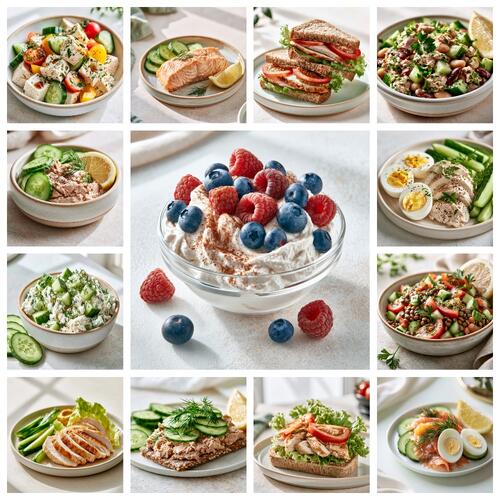 Protein Snacks: 20 Options from Everyday Foods
Snacking is not a mandatory meal. If you can easily go from breakfast to lunch or lunch to dinner, there's no need to add an extra meal.
But sometimes five or six hours pass between main meals. In such cases, a small protein snack helps prevent excessive hunger by dinnertime, lets you buy sweet pastries less often on the way, and makes it easier to control your portion size at night.
Protein snacks can be put together from the most common foods: cottage cheese, eggs, chicken, turkey, fish, seafood, legumes, or tofu. You don't need to buy protein bars or specialized fitness products for this.
Below are 20 options of different caloric values. You’ll find snacks under 150, 200, and 250 kcal, no-cook ideas, non-dairy options, and combinations that are convenient to take to work or on the road.
Calories and macronutrients are approximate. Exact values depend on the manufacturer, fat content, egg size, and cooking method.
What Counts as a Protein Snack
Snacks can be called “protein snacks” if the main source of nutrients is a high-protein food:
-
cottage cheese or Greek yogurt;
-
eggs and egg whites;
-
chicken or turkey;
-
tuna, red fish, or squid;
-
shrimp;
-
tofu;
-
lentils, beans, and other legumes.
Fruits, crispbreads, vegetables, or bread can complement such snacks, but can't replace the protein base.
For example, an apple on its own contains little protein. If you add it to cottage cheese, you get a more filling and balanced snack.
How Much Protein Should Be In a Snack
For a small snack, aim for about 10-25 g of protein. A bigger portion can have 25-35 g and may replace a light meal.
The exact amount depends on your overall daily target, number of meals, and how much protein you already get at breakfast, lunch, and dinner.
You don’t need to meet your protein goal in a single meal. It’s usually easier to distribute protein throughout the day. Read more about this in the article «How much protein do you need for weight loss: daily norm and distribution by meals».
Protein Snacks: Calorie Table
| # | Option | Calories | Protein |
|---|---|---|---|
| 1 | Cottage cheese with cucumber | 118 kcal | 19 g |
| 2 | Greek yogurt with berries | 140 kcal | 16 g |
| 3 | Egg, whites, and tomato | 125 kcal | 14 g |
| 4 | Tuna with cucumber | 115 kcal | 22 g |
| 5 | Chicken fillet with tomatoes | 126 kcal | 19 g |
| 6 | Shrimp with sweet pepper | 125 kcal | 24 g |
| 7 | Squid with cucumber | 110 kcal | 17 g |
| 8 | Cottage cheese with berries | 180 kcal | 28 g |
| 9 | Two eggs with tomatoes | 170 kcal | 14 g |
| 10 | Turkey with cucumber | 160 kcal | 30 g |
| 11 | Tuna with crispbread and cucumber | 165 kcal | 27 g |
| 12 | Chicken sandwich | 180 kcal | 21 g |
| 13 | Red fish with egg whites | 170 kcal | 21 g |
| 14 | Lentils with vegetables | 190 kcal | 14 g |
| 15 | Cottage cheese with apple | 240 kcal | 33 g |
| 16 | Eggs with chicken and cucumber | 240 kcal | 29 g |
| 17 | Tuna with beans | 230 kcal | 34 g |
| 18 | Turkey sandwich | 225 kcal | 28 g |
| 19 | Red fish with cucumber | 230 kcal | 21 g |
| 20 | Tofu with vegetables | 220 kcal | 22 g |
Protein Snacks up to 150 kcal
These options are suitable if there's little time until your next meal, or if there are hardly any free calories left in your daily plan.
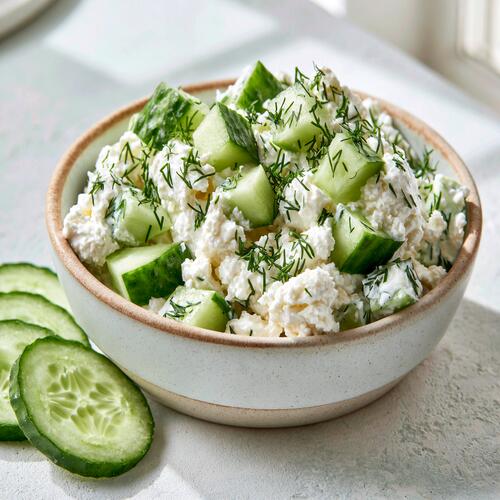 1. Cottage Cheese with Cucumber
A simple savory snack you can prepare in two minutes.
Ingredients:
-
2% cottage cheese, 100 g;
-
cucumber, 100 g;
-
herbs, salt, and spices to taste.
Slice the cucumber and mix it with the cottage cheese. For a smoother consistency, you can add one or two teaspoons of water or plain yogurt, but remember to log the yogurt separately.
Approximate Macros:
-
calories: 118 kcal;
-
protein: 19 g;
-
fat: 2 g;
-
carbs: 6 g.
Suitable for: work, at home, or an evening meal.
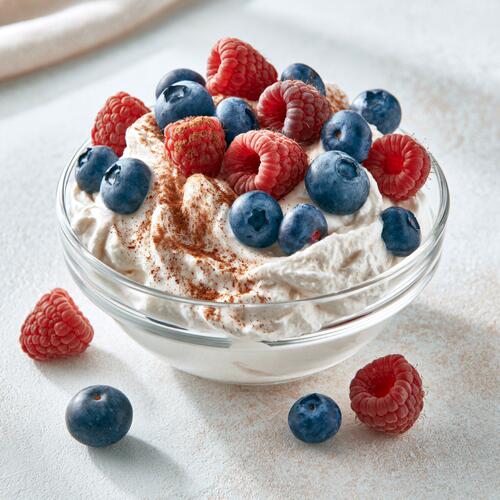 2. Greek Yogurt with Berries
For this option, choose plain yogurt without sugar or fillers.
Ingredients:
-
2% Greek yogurt, 170 g;
-
fresh or thawed berries, 50 g;
-
cinnamon or sweetener as desired.
Mix everything in a small container. Frozen berries can be added in the morning—they’ll thaw by snack time.
Approximate Macros:
-
calories: 140 kcal;
-
protein: 16 g;
-
fat: 4 g;
-
carbs: 11 g.
Suitable for: work, study, and no-cook snacks.
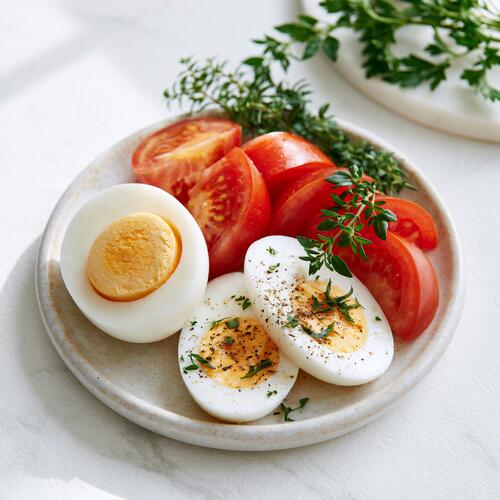 3. Egg, Two Whites, and Tomato
Combining a whole egg and extra whites gives you more protein with moderate calories.
Ingredients:
-
egg, 1 pc.;
-
egg whites, 2 pcs.;
-
tomato, 100 g;
-
salt and spices.
You can boil the egg and whites in advance, or make an oil-free omelet in a non-stick pan.
Approximate Macros:
-
calories: 125 kcal;
-
protein: 14 g;
-
fat: 5 g;
-
carbs: 5 g.
Suitable for: at home or at work if you have a container.
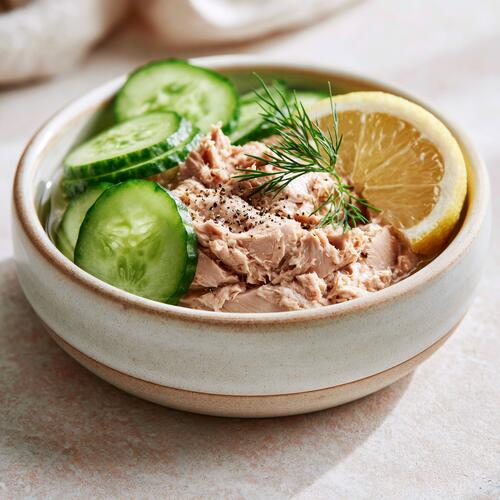 4. Tuna with Cucumber
One of the fastest no-dairy snacks.
Ingredients:
-
tuna in its own juice, 80 g after draining;
-
cucumber, 150 g;
-
lemon juice, herbs, and pepper.
Drain the can and weigh out the portion. You can slice the cucumber and use it instead of crispbreads.
Approximate Macros:
-
calories: 115 kcal;
-
protein: 22 g;
-
fat: 1 g;
-
carbs: 4 g.
Suitable for: home, work, or travel. For travel, it's more convenient to use tuna in a small can or soft pouch.
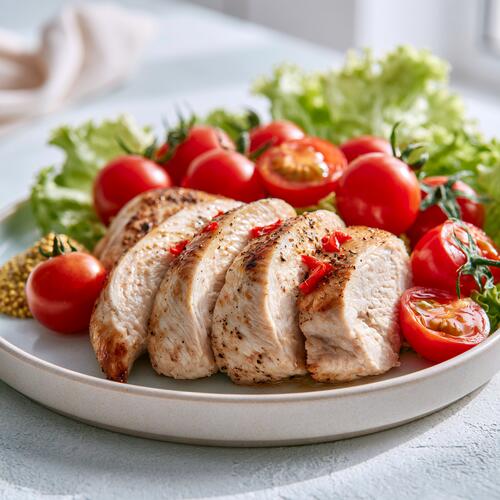 5. Chicken Fillet with Tomatoes
This snack is convenient to make from chicken left over after lunch or dinner.
Ingredients:
-
cooked chicken fillet, 60 g;
-
tomatoes, 150 g;
-
mustard, spices, and herbs to taste.
Slice the chicken and tomatoes. If you like, wrap the chicken in lettuce leaves.
Approximate Macros:
-
calories: 126 kcal;
-
protein: 19 g;
-
fat: 2 g;
-
carbs: 6 g.
Suitable for: work, home, and post-workout snacks.
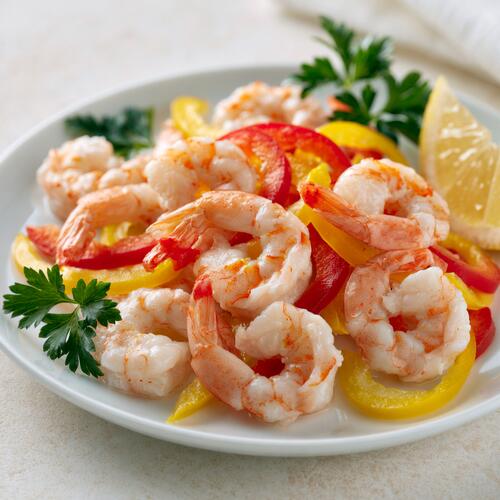 6. Shrimp with Sweet Pepper
Use peeled boiled shrimp without fatty sauces.
Ingredients:
-
peeled shrimp, 100 g;
-
sweet pepper, 100 g;
-
lemon juice and spices.
Frozen cooked shrimp just need defrosting and rinsing. If using raw shrimp, boil them first.
Approximate Macros:
-
calories: 125 kcal;
-
protein: 24 g;
-
fat: 1 g;
-
carbs: 6 g.
Suitable for: home and work if you can keep the container in the fridge.
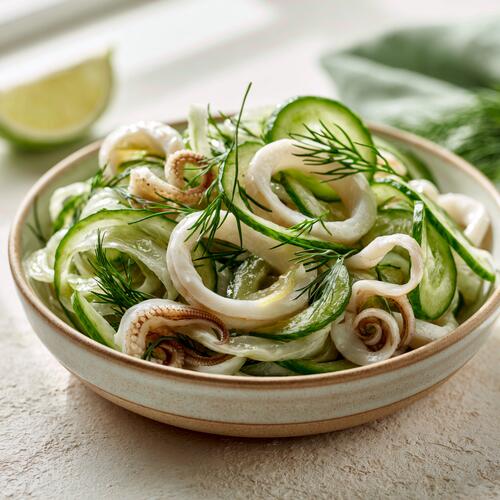 7. Squid with Cucumber
A lean, dairy-free option.
Ingredients:
-
boiled squid, 100 g;
-
cucumber, 100 g;
-
lemon juice, herbs, and spices.
Cut the squid into strips, add cucumber and a bit of lemon juice. Mayonnaise isn't needed for this snack.
Approximate Macros:
-
calories: 110 kcal;
-
protein: 17 g;
-
fat: 2 g;
-
carbs: 3 g.
Suitable for: home and pre-prepared work snacks.
Protein Snacks up to 200 kcal
These options are more filling. They're great for a long stretch between lunch and dinner or on active days.
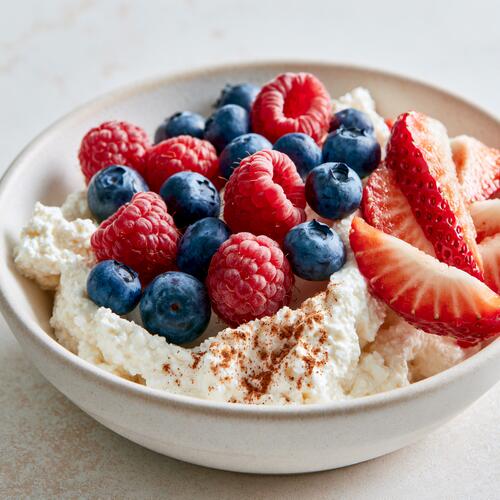 8. Cottage Cheese with Berries
A classic sweet snack without added sugar.
Ingredients:
-
2% cottage cheese, 150 g;
-
berries, 50 g;
-
cinnamon, vanilla, or sweetener as desired.
If the cottage cheese is dry, add a little water or 20-30 g plain yogurt. Add any extra yogurt to your food diary.
Approximate Macros:
-
calories: 180 kcal;
-
protein: 28 g;
-
fat: 3 g;
-
carbs: 10 g.
Suitable for: work and home snacks.
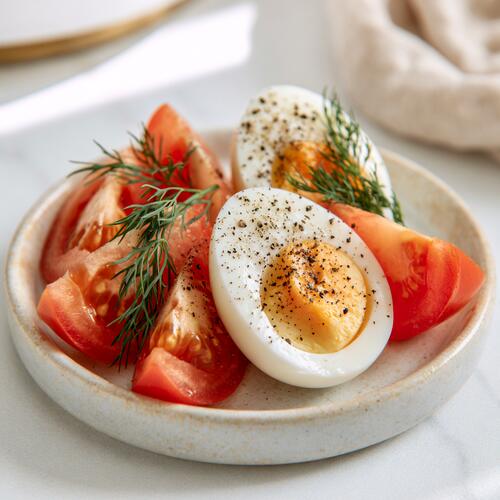 9. Two Eggs with Tomatoes
Eggs are easy to prepare for two or three days and store in the fridge.
Ingredients:
-
eggs, 2 pcs.;
-
tomatoes, 150 g;
-
salt, pepper, and herbs.
Tomatoes add volume and make a small portion look larger.
Approximate Macros:
-
calories: 170 kcal;
-
protein: 14 g;
-
fat: 10 g;
-
carbs: 6 g.
Suitable for: work, travel, and dairy-free snacks.
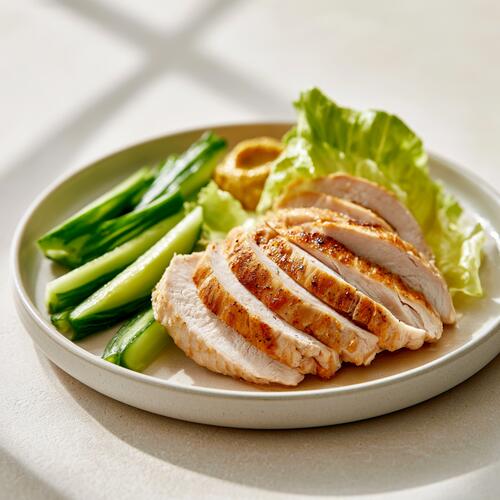 10. Turkey with Cucumber
Lean turkey fillet provides lots of protein for few calories.
Ingredients:
-
cooked turkey fillet, 100 g;
-
cucumber, 150 g;
-
mustard and spices to taste.
Use roasted or boiled fillet. Turkey sausage can be higher in fat, salt and additives, so check the macros separately.
Approximate Macros:
-
calories: 160 kcal;
-
protein: 30 g;
-
fat: 2 g;
-
carbs: 5 g.
Suitable for: work, travel, and post-exercise snacks.
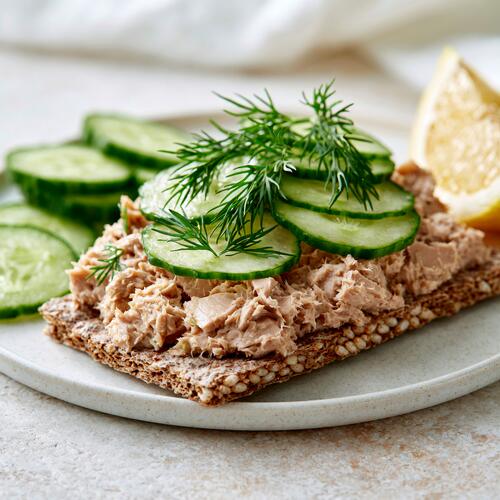 11. Tuna with Crispbread and Cucumber
Crispbread adds a bit of carbs and makes the snack more convenient.
Ingredients:
-
tuna in its own juice, 100 g after draining;
-
rye crispbread, 10 g;
-
cucumber, 100 g;
-
mustard or lemon juice.
Put the tuna on the crispbread and add cucumber slices.
Approximate Macros:
-
calories: 165 kcal;
-
protein: 27 g;
-
fat: 2 g;
-
carbs: 11 g.
Suitable for: work and travel.
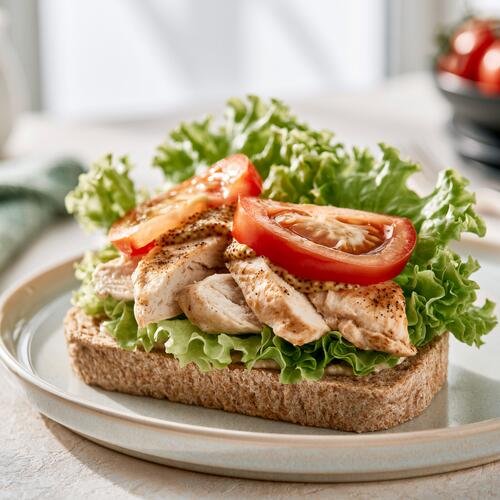 12. Chicken and Tomato Sandwich
A convenient option you can wrap in parchment or pop in a small container.
Ingredients:
-
cooked chicken fillet, 60 g;
-
whole grain bread, 25 g;
-
tomato, 100 g;
-
lettuce leaves and mustard.
Put lettuce, chicken, and tomato on the bread. Don't add mayonnaise by eye, as it can greatly increase the calories.
Approximate Macros:
-
calories: 180 kcal;
-
protein: 21 g;
-
fat: 3 g;
-
carbs: 15 g.
Suitable for: office, study, and travel.
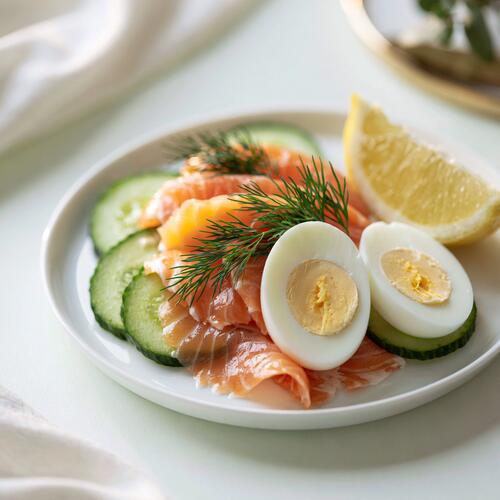 13. Red Fish with Egg Whites
A dairy-free option combining fish and eggs.
Ingredients:
-
slightly salted red fish, 60 g;
-
boiled egg whites, 2 pcs.;
-
cucumber, 100 g.
Slice all ingredients and put them in a container. Extra salt is usually not needed.
Approximate Macros:
-
calories: 170 kcal;
-
protein: 21 g;
-
fat: 8 g;
-
carbs: 4 g.
Suitable for: home and work.
Slightly salted fish is high in salt, so for regular meals you can alternate it with baked or boiled fish.
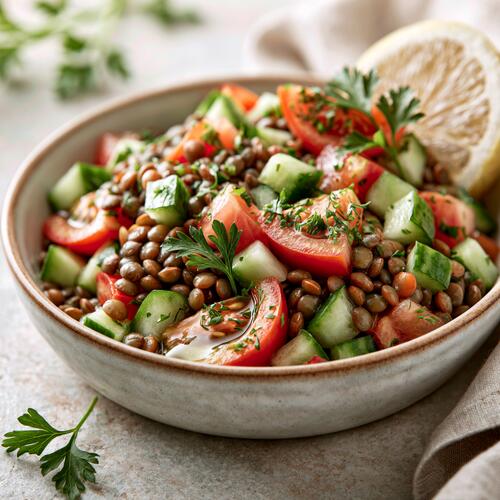 14. Lentils with Cucumber and Tomato
Plant-based snack without dairy or eggs.
Ingredients:
-
cooked lentils, 150 g;
-
cucumber and tomato, 100 g;
-
lemon juice, herbs, and spices.
Mix lentils with chopped veggies. You can skip the oil or weigh it separately.
Approximate Macros:
-
calories: 190 kcal;
-
protein: 14 g;
-
fat: 1 g;
-
carbs: 33 g.
Suitable for: work and vegan diets.
Protein Snacks up to 250 kcal
These snacks are especially useful when there's a long gap between meals. They can replace a small breakfast or light meal.
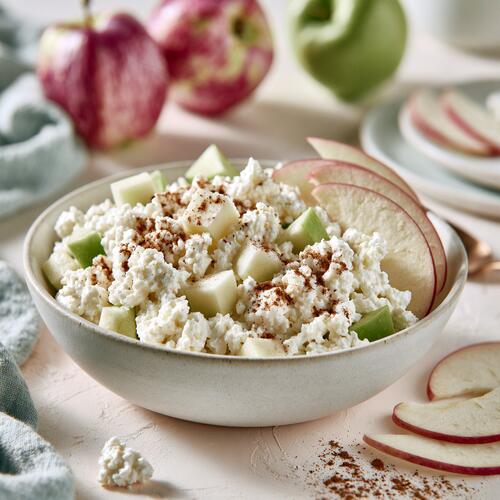 15. Cottage Cheese with Apple
The combination of protein and fruit is great if you crave something sweet.
Ingredients:
-
2% cottage cheese, 180 g;
-
apple, 100 g;
-
cinnamon to taste.
Cube the apple and mix with cottage cheese, or eat separately.
Approximate Macros:
-
calories: 240 kcal;
-
protein: 33 g;
-
fat: 4 g;
-
carbs: 17 g.
Suitable for: work, study, and home snacks.
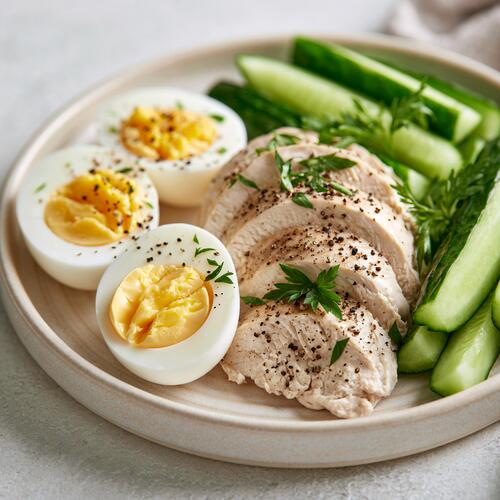 16. Two Eggs with Chicken and Cucumber
A hearty savory, dairy-free option.
Ingredients:
-
eggs, 2 pcs.;
-
cooked chicken fillet, 50 g;
-
cucumber, 100 g;
-
herbs and spices.
All ingredients can be cooked in advance and put into a container in the morning.
Approximate Macros:
-
calories: 240 kcal;
-
protein: 29 g;
-
fat: 12 g;
-
carbs: 4 g.
Suitable for: work or travel with a thermal bag.
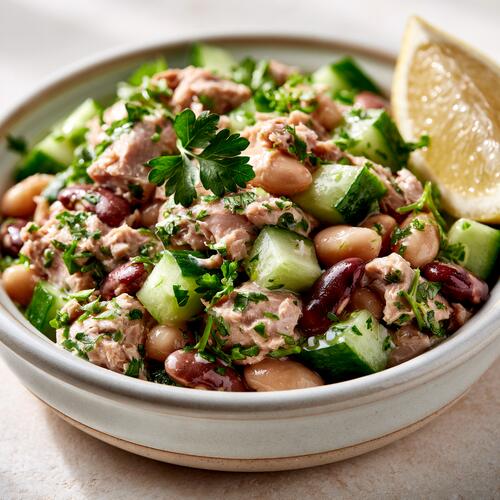 17. Tuna with Beans and Cucumber
Beans add fiber and make the snack more like a small salad.
Ingredients:
-
tuna in its own juice, 120 g after draining;
-
canned beans, 70 g after rinsing;
-
cucumber, 100 g;
-
lemon juice and herbs.
Drain the tuna. Rinse and weigh the beans without brine.
Approximate Macros:
-
calories: 230 kcal;
-
protein: 34 g;
-
fat: 2 g;
-
carbs: 17 g.
Suitable for: work and a substantial daytime snack.
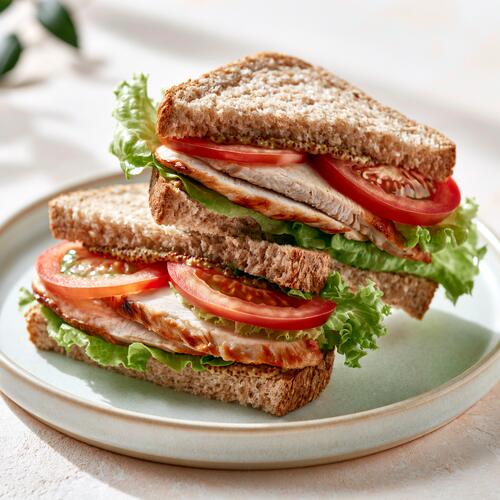 18. Turkey Sandwich
A compact option for travel, office, or study.
Ingredients:
-
cooked turkey fillet, 80 g;
-
whole grain bread, 40 g;
-
tomato, 100 g;
-
lettuce leaves and mustard.
Put together the sandwich and wrap it in parchment. To prevent the bread from getting soggy, you can keep the tomato in a separate container.
Approximate Macros:
-
calories: 225 kcal;
-
protein: 28 g;
-
fat: 3 g;
-
carbs: 20 g.
Suitable for: work, study, and travel.
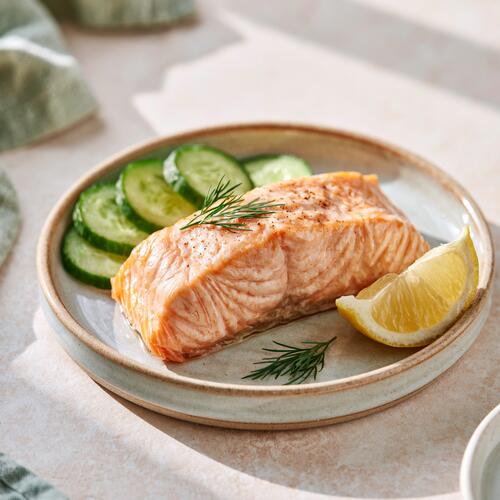 19. Red Fish with Cucumber
A very simple snack with just two ingredients.
Ingredients:
-
baked or slightly salted red fish, 100 g;
-
cucumber, 150 g;
-
herbs and lemon juice.
If using salted fish, don't add extra salt and watch your portion size.
Approximate Macros:
-
calories: 230 kcal;
-
protein: 21 g;
-
fat: 14 g;
-
carbs: 5 g.
Suitable for: home, work, and dairy-free diets.
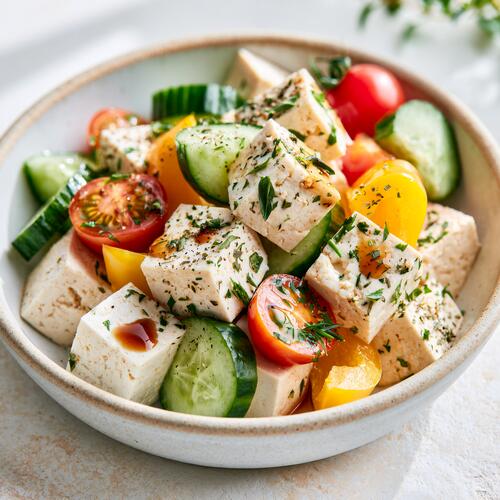 20. Tofu with Vegetables
Plant-based snack that can be eaten cold or lightly fried in a dry pan.
Ingredients:
-
tofu, 180 g;
-
cucumber, tomato, or sweet pepper, 150 g;
-
soy sauce, lemon juice, and spices to taste.
Dice tofu and veggies. Tofu’s calories vary considerably by brand, so check the label before preparing.
Approximate Macros:
-
calories: 220 kcal;
-
protein: 22 g;
-
fat: 11 g;
-
carbs: 9 g.
Suitable for: work, home snacks, and dairy-free diets.
Protein Snacks Without Dairy
If you’re lactose intolerant, you can use:
-
eggs and egg whites;
-
chicken and turkey;
-
tuna;
-
baked or lightly salted fish;
-
shrimp;
-
squid;
-
beans and lentils;
-
tofu.
From the above list, options 3–7, 9–14, and 16–20 are dairy free.
Lactose-free cottage cheese or yogurt may be suitable for lactose intolerance. But with a cow’s milk protein allergy, lactose-free products won’t help, as they still contain dairy protein.
Protein Snacks Without Cooking
You can completely skip cooking by choosing foods that are ready to eat:
-
cottage cheese with cucumber;
-
Greek yogurt with berries;
-
tuna in its own juice;
-
ready-peeled shrimp;
-
lightly salted fish;
-
canned beans;
-
tofu;
-
cooked meat or eggs prepared in advance.
The main rule is not to confuse no-cook with not logging the calories. Oil, sauces, bread, nuts, and other add-ins also count toward the total calories.
What to Take to Work
The most convenient workday options are:
-
Cottage cheese with berries.
-
Greek yogurt with berries.
-
Eggs with tomatoes.
-
Chicken sandwich.
-
Turkey sandwich.
-
Tuna with crispbread.
-
Tuna with beans.
-
Tofu with vegetables.
For the most convenient snack, prep it the night before or in the morning:
-
use a container with a tight-fitting lid;
-
store sauce and vegetables separately if needed;
-
bring a small fork or spoon;
-
keep perishable food in an insulated bag with a cold pack;
-
log the snack in your food diary ahead of time.
What to Take on the Road
For a short trip, try:
-
turkey sandwich;
-
chicken sandwich;
-
eggs with cucumber;
-
tuna in a small package;
-
crispbreads;
-
baked poultry fillet;
-
firm tofu;
-
vegetables that are easy to eat with your hands.
Cottage cheese, yogurt, fish, and cooked meat shouldn't be left out at room temperature for long. For long trips, use a thermal bag or buy your snack right before eating.
Why Nuts and Cheese Aren’t Always Right for Protein Snacks
Nuts and cheese contain protein but also lots of fat and calories.
For example, a small handful of nuts might be 150-200 kcal but just a few grams of protein. High-fat cheeses are similar.
That doesn’t mean you need to exclude them. Use them in small portions, but don't rely on them as your main protein source.
If the main goal is to boost protein with minimal calories, it’s usually easier to choose:
-
2-5% cottage cheese;
-
unsweetened Greek yogurt;
-
egg whites;
-
lean poultry;
-
tuna in its own juice;
-
shrimp;
-
lean fish.
Mistakes When Choosing Protein Foods
Buying a Product Just Because It Says “Protein”
A label on the package doesn't guarantee low calories. A protein bar may contain lots of fat, syrups, and sweeteners.
Compare not the marketing label, but the nutrition info per 100 g and per package.
Not Looking at Portion Size
The front label may show calories for half a bar or a small “serving.” If you eat the whole package, the calorie count will be higher.
Choosing Sweet Curd Snacks Instead of Plain Cottage Cheese
Glazed “curd bars,” curd desserts, and sweet mixes do have protein, but also include sugar and fat.
For an everyday snack, it's easier to choose plain cottage cheese and add berries, fruit, or sweetener yourself.
Thinking Cheese is a Low-Calorie Protein Source
Cheese contains protein, but the portion’s calories add up quickly—especially if cheese is paired with bread, butter, sausage, and sauces.
Adding Nuts, Seeds, and Nut Butter Without Weighing
These additions can make snacks tastier, but a generous spoonful of peanut butter will significantly change the calorie count.
Making the Snack Too Small
A single egg white or two spoonfuls of yogurt may not satisfy your hunger. If there are a few hours till dinner, choose a full portion of 180-250 kcal.
Ignoring Cooking Methods
Chicken fried in oil is higher in calories than boiled or roasted fillet. Fish in oil is not the same as fish in its own juice.
When counting, consider not just the ingredient, but also oil, breading, marinade, and sauces.
Is Snacking Needed for Weight Loss?
The number of meals alone does not determine your results. You can lose weight with three meals a day without snacks, or by eating four to five times a day.
Snacks are helpful if they:
-
prevent extreme hunger;
-
help control your dinner portion;
-
fit your daily calorie goal;
-
contain enough protein;
-
are planned in advance—not added from boredom.
A snack might be a problem if you add it automatically even when you’re not actually hungry, or forget to log its calories.
Pay special attention to your eating structure if you constantly crave sweets at night or have trouble stopping after dinner. Causes are discussed in the article «Evening Appetite: Why It's Harder to Control Hunger at Night Than During the Day».
How to Log a Protein Snack in SIT30
To log your snack accurately, add all components to your food diary.
For example, to log cottage cheese with apple:
-
2% cottage cheese, 180 g;
-
apple, 100 g;
-
yogurt or other add-ins, if used.
For tuna with beans, log:
-
tuna after draining;
-
rinsed beans without brine;
-
vegetables;
-
oil or sauce.
Steps to follow:
-
Open the desired meal in the SIT30 diary.
-
Find the product by name or scan the barcode.
-
Compare app data with the packaging.
-
Enter the actual weight of what you ate.
-
Add the rest of the ingredients.
-
Check the total calories and protein amount.
If you regularly eat the same combination, save it as your own recipe. Next time, you'll be able to add the snack faster, changing only the weight.
It helps to enter the planned snack in the morning. This way, you’ll know in advance how many calories and how much protein you have left for lunch and dinner.
How to Choose the Right Snack for Your Situation
If there’s about an hour till dinner:
Choose an option under 150 kcal, like tuna with cucumber, cottage cheese with veggies, or egg with extra whites.
If there are three or four hours until dinner:
A 180–250 kcal snack with 20–30 g protein works well.
If you plan to work out after work:
You can pick a protein plus a small amount of carbs, like a turkey sandwich, cottage cheese with apple, or tuna with crispbread.
If hunger returns quickly after the snack:
Add veggies, berries, fruit, or a bit of whole grain bread. Sometimes the problem isn’t too little protein, but rather too small a food volume.
If you’re low on daily calories:
Choose lean foods: egg whites, tuna in its own juice, shrimp, chicken fillet, or low-fat cottage cheese.
Protein Snacks and Main Meals
Snacks shouldn't permanently replace a real lunch or dinner. If you eat only yogurt, an apple, and coffee during the day, extreme hunger is likely by evening.
Try to build main meals around protein, vegetables, and the right amount of carbs. See full day examples in the article «Menu for 1200 kcal: Ready-Made Daily Plan».
For evening meals, see the selection «What to Eat at Night for Weight Loss: 20 Dinner Ideas».
If your main problem is morning hunger, check «Which Breakfast is Best for Weight Loss: 5 Protein Options».
Frequently Asked Questions
Which Protein Snacks Have the Lowest Calories?
The lowest-calorie options are tuna with cucumber, shrimp with veggies, squid, chicken fillet, egg whites, and low-fat cottage cheese. Serving calories may be about 110–150 kcal.
How Much Protein Should Be in a Snack?
For a small snack, aim for about 10–25 g of protein. A more filling snack can have 25–35 g.
Which Protein Snacks Can I Take to Work?
Cottage cheese with berries, sugar-free yogurt, boiled eggs, turkey sandwich, chicken sandwich, tuna with crispbread, or tofu with vegetables will do.
What to Choose Without Dairy Products?
Use eggs, chicken, turkey, fish, seafood, legumes, or tofu. Lactose-free dairy is suitable for lactose intolerance, but not for milk protein allergy.
Is It Okay to Have a Protein Snack in the Evening?
Yes, if it fits your daily calories and helps manage real hunger. Meal timing matters less than your daily calories and diet structure.
Are Nuts a Protein Snack?
Nuts contain protein, but most of their calories come from fat. They're best as a small addition, not a main protein source.
Can I Replace a Snack with a Protein Bar?
You can, but check the ingredients, package calories, and amounts of protein, sugar, and fat. Some bars are closer to desserts in composition.
Do I Need to Snack Every Day?
No. A snack is only needed if it helps control hunger and fits your eating pattern.
Conclusion
Protein snacks don't require special products. Most options can be made from cottage cheese, eggs, cooked poultry, fish, seafood, legumes, or tofu.
Focus on three factors when choosing a snack:
-
Total calories per portion.
-
Protein content.
-
How well the snack satisfies you.
For a small snack, a portion under 150 kcal is suitable. If there are several hours until the next meal, it’s more reasonable to choose 180–250 kcal with enough protein.
Log your snack in SIT30 in advance and assess your whole day’s diet. This will help you meet your protein goal, stay within your calorie limit, and not try to make up for a missed lunch late at night.