

Which breakfast is better for weight loss: 5 protein options
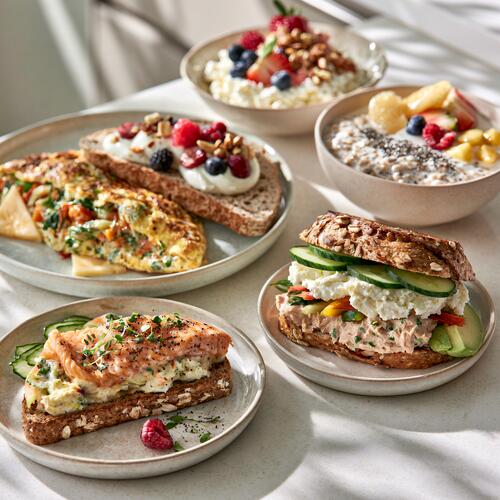 Which Breakfast Is Best for Weight Loss: 5 Protein Options
Oatmeal, eggs, cottage cheese, a sandwich, or just a cup of coffee? Debates about the right breakfast have been going on for years. Some believe you must eat porridge in the morning, others completely avoid carbohydrates, while others skip breakfast in hopes of losing weight faster.
In practice, there is no perfect dish that triggers fat burning. The best breakfast for weight loss is the one that keeps you full, fits your daily caloric intake, and doesn’t have you reaching for cookies an hour later.
One of the easiest ways to make your breakfast more filling is to add enough protein. This could be eggs, cottage cheese, Greek yogurt, fish, turkey, tofu, or other familiar foods.
Below, we’ll discuss how much protein is recommended in the morning, whether you need porridge or bread with it, and what breakfasts can be prepared in 5-15 minutes.
What Breakfast Should Be Like When Losing Weight
A good breakfast does not have to consist only of fat-free cottage cheese or egg whites. It’s much more important to put together a complete meal from several components:
-
A source of protein.
-
Vegetables, fruits, berries, or whole grain products.
-
A small amount of fat.
-
A portion that fits your daily calorie allowance.
For many people, 20-35 g of protein for breakfast is a handy reference point. The exact amount depends on body mass, total daily calories, physical activity, and how much protein you consume throughout the day.
The approximate calorie content of a weight-loss breakfast is often 300-450 kcal. But this is not a universal standard. On a 1200 kcal diet, breakfast may be smaller, and with high activity and a daily norm of 2200 kcal, the portion will be noticeably larger.
The main criterion is simple: after eating, you feel comfortably full and can easily wait for your next meal.
Why a Protein Breakfast Helps Control Appetite
Protein-rich foods take longer to digest than sweet pastries, cereal, or a jam sandwich. That’s why a protein breakfast usually keeps you fuller, compared to a meal made mostly of fast carbohydrates.
Compare these two options.
First option:
-
Coffee with sugar;
-
Croissant;
-
Sweet yogurt.
Second option:
-
Omelette;
-
Vegetables;
-
A slice of whole grain bread.
The calorie content may be similar, but after the second breakfast, hunger usually returns later. This helps reduce unplanned snacking and makes it easier to maintain a calorie deficit.
At the same time, protein itself does not have the ability to burn fat. You could eat cottage cheese and eggs for breakfast every day and still not lose weight if your total calories for the day are too high.
Do You Have to Eat Breakfast to Lose Weight?
No, there is no such rule. Some people are comfortable eating immediately upon waking, while others find it easier to wait until later for their first meal.
Skipping breakfast doesn’t stall weight loss if you maintain a calorie deficit and avoid overeating at night. But if you get very hungry by lunch or find it hard to control portions at dinner without breakfast, it might be better to bring your morning meal back.
Don’t focus on the latest diet trend, but on your own eating habits. The best routine is one you can follow regularly.
5 Protein Breakfast Options for Weight Loss
Calories and macros are approximate. Actual values depend on the fat content of the foods, brand, egg size, and preparation method. Oil, sauces, sugar, and extras should be counted separately.
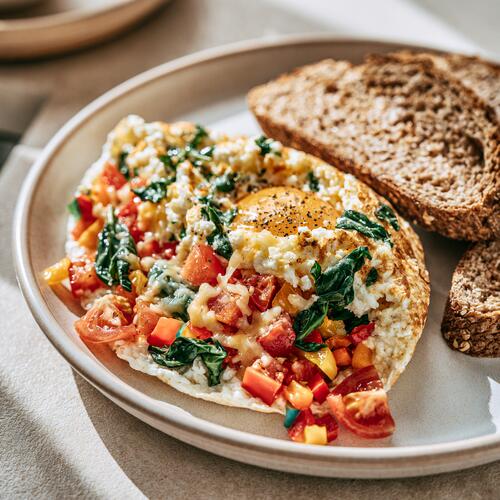 1. Omelette with Vegetables, Cheese, and Bread
A hearty option for those who prefer savory breakfasts.
Ingredients:
-
Egg, 1 pc.;
-
Egg whites, 150 g;
-
Tomatoes, 100 g;
-
Sweet pepper or spinach, 100 g;
-
Cheese up to 20% fat, 20 g;
-
Whole grain bread, 40 g;
-
Salt and spices to taste.
How to prepare:
Mix the egg and whites. Pour onto a preheated nonstick skillet, add vegetables and grated cheese. Cook covered for 5-7 minutes. Serve with bread.
Approximate macros: 340 kcal, protein 32 g, fat 12 g, carbs 27 g.
To reduce calories, cook without oil or use the minimum amount, weighing it in advance.
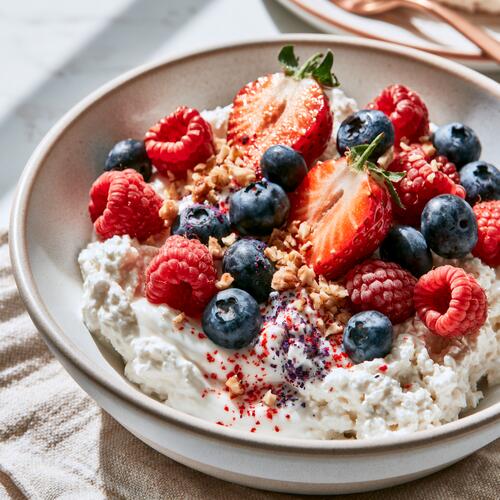 2. Cottage Cheese with Berries and Greek Yogurt
This breakfast is suitable for those who crave something sweet in the morning but get hungry quickly after plain porridge.
Ingredients:
-
Cottage cheese 2-5%, 150 g;
-
Unsweetened Greek yogurt, 100 g;
-
Berries, 100 g;
-
Nuts, 10 g;
-
Sweetener or cinnamon as desired.
How to prepare:
Mix cottage cheese with yogurt. Add berries, nuts, and cinnamon. Frozen berries can be thawed or microwaved beforehand.
Approximate macros: 350 kcal, protein 35-38 g, fat 13 g, carbs 23 g.
Nuts are healthy but calorie-dense. Don’t add them by eye if you are counting calories.
 3. Cheesecakes in the Oven
Homemade cheesecakes can be part of a weight-loss diet. The problem is usually not the cottage cheese, but the large amount of oil, sugar, flour, and sweet add-ins.
Ingredients:
-
Cottage cheese 2-5%, 150 g;
-
Egg, 1 pc.;
-
Rice, wheat or oat flour, 20 g;
-
Greek yogurt, 80 g;
-
Berries, 100 g;
-
Sweetener and vanilla as desired.
How to prepare:
Mix cottage cheese, egg, flour and sweetener. Form small cheesecakes and place on parchment paper. Bake at 180°C for about 15-20 minutes. Serve with yogurt and berries.
Approximate macros: 400-420 kcal, protein 35-40 g, fat 14 g, carbs 35 g.
If the cottage cheese is wet, you may need more flour. Account for the actual amount in your recipe.
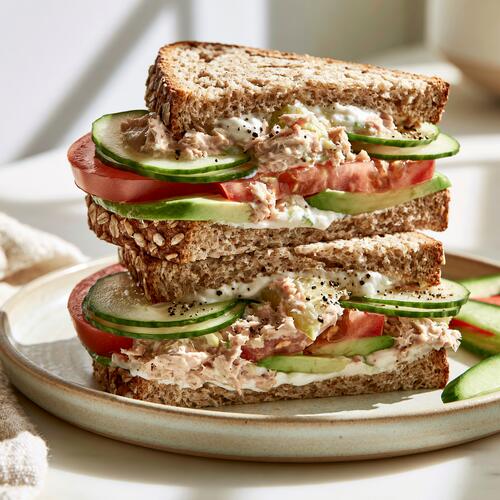 4. Tuna and Vegetable Sandwich
A convenient option you can take to work or eat on the go.
Ingredients:
-
Whole grain bread, 70 g;
-
Tuna in its own juice, 120 g;
-
Greek yogurt, 50 g;
-
Cucumber and tomato, 100-150 g;
-
Avocado, 30 g;
-
Salt, pepper, and lemon juice.
How to prepare:
Drain the tuna. Mix with yogurt, lemon juice, and seasonings. Spread the filling on bread, add veggies and avocado.
Approximate macros: 390-410 kcal, protein 38-41 g, fat 10 g, carbs 38 g.
For fewer calories, omit the avocado or use one large slice of bread instead of two.
 5. Toasts with Red Fish and Cottage Cheese
A weekend option which, in the right portion, is also suitable for weight loss.
Ingredients:
-
Whole grain bread, 60 g;
-
Lightly salted red fish, 70-80 g;
-
Creamy cottage cheese, 100 g;
-
Cucumber, 100 g;
-
Herbs and lemon juice.
How to prepare:
Toast the bread. Spread with creamy cottage cheese, then top with fish, cucumber, and herbs.
Approximate macros: 390-420 kcal, protein 32-37 g, fat 15 g, carbs 32 g.
Lightly salted fish contains a lot of salt, so there’s no need to eat it daily. For regular breakfasts, use baked fish as an alternative.
Sweet or Savory Breakfast: Which Is Better?
Both options are suitable for weight loss. The result depends not on taste, but on calories, composition, and how filling the meal is.
A sweet breakfast can include cottage cheese, berries, yogurt, and oatmeal. A savory one can be built from eggs, fish, poultry, tofu, and vegetables.
Problems more often arise not from sweetness, but from foods that are high in calories and low in protein:
-
Sweet cereals;
-
Pastries;
-
Cookies;
-
Ready-made sweet cottage cheese desserts;
-
Granola in large portions;
-
Coffee with syrup and cream;
-
Juices and sweet drinks.
You don’t have to ban them completely. But it’s important to realize that such breakfasts can quickly use up a significant part of your daily calories and won’t keep you full for long.
Can You Eat Sandwiches for Breakfast While Losing Weight?
You can. Sandwiches don’t hinder weight loss if their calorie content fits your daily intake.
To make them more filling, use:
-
Whole grain bread;
-
Tuna, turkey, eggs, or fish;
-
Cottage cheese or Greek yogurt instead of lots of mayo;
-
Cucumbers, tomatoes, and fresh herbs;
-
A small portion of cheese or avocado.
The most common mistake isn’t the bread, but the combination of bread, sausage, high-fat cheese, butter, and sauce. The calories in such a sandwich can be comparable to a full meal.
What to Add to Protein for Long-Lasting Fullness
Protein works best as part of a balanced meal. So, you don’t need to eat just cottage cheese or only egg whites.
Add one or two components to your breakfast:
Fiber:
-
Vegetables;
-
Berries;
-
Apple or pear;
-
Oat flakes;
-
Whole grain bread;
-
Flax or chia seeds.
Carbohydrates:
-
Porridge;
-
Bread;
-
Lavash;
-
Potatoes;
-
Fruit.
Fats:
-
Egg yolk;
-
Nuts;
-
Seeds;
-
Avocado;
-
Cheese;
-
A small amount of vegetable oil.
You don’t need to avoid carbs or fats completely for weight loss. What matters are portion sizes and total daily calories.
Common Breakfast Preparation Mistakes
Assuming Healthy Foods Have No Calories
Nuts, avocado, cheese, peanut butter, seeds, and vegetable oil contain valuable nutrients but are still calorie-dense.
For example, just one spoonful of nut butter or oil can greatly change the macros of a meal. If your weight plateaus, it’s worth weighing these additions.
Having Too Small a Breakfast
Coffee and half an apple may look like a diet meal, but often lead to strong hunger an hour later. As a result, a person snacks several times and may end up consuming more calories than after a normal breakfast.
Adding Protein but Forgetting About Fiber
Three eggs or a package of cottage cheese provide protein but don’t always offer comfortable digestion or enough volume. Vegetables, berries, fruits, and whole grain foods make breakfast more complete.
Not Accounting for Drinks
Sugar, milk, cream, and syrups in coffee also count toward your daily calories. Sometimes, a drink contains more calories than the breakfast itself.
Forcing Yourself to Eat the Same Food
You don’t have to eat cottage cheese every day if you don’t like it. You can get protein from eggs, fish, meat, yogurt, legumes, or tofu.
How to Choose Your Breakfast
Use a simple algorithm.
-
Choose your main protein source.
-
Add vegetables, berries, fruit, or a whole grain product.
-
If needed, add a small serving of fat.
-
Count the calories for the whole plate, including oil and sauces.
-
Assess how well the breakfast satisfies you personally.
Try one option for several days. If you get hungry an hour later, increase the protein or add fiber. If you feel heavy after eating, reduce the portion size or the amount of fat.
It’s more convenient to assess your entire diet rather than one dish. In the SIT30 calorie counter, you can pre-build your breakfast, check its macros, and see how many calories remain for your other meals.
So, What Breakfast Is Ultimately Best for Weight Loss?
The best breakfast for weight loss contains enough protein, moderate calories, and foods you enjoy.
For most people, a handy template looks like this:
-
20-35 g protein;
-
Vegetables, berries, fruit, or whole grain foods;
-
Moderate portion of fats;
-
About 300-450 kcal, adjusted for your needs.
You don’t have to search for the perfect dish or give up bread, porridge, and fruit. What matters much more is consistently maintaining a calorie deficit, getting enough protein throughout the day, and sticking to an eating plan you can follow for months.
Frequently Asked Questions
How much protein should you eat for breakfast when losing weight?
For many adults, a good target is 20-35 g of protein. The exact amount depends on body weight, activity level, and daily protein target.
What’s better for weight loss breakfast: eggs or cottage cheese?
Both options are suitable. Your choice depends on preferences and the rest of your diet. Eggs have more fat, while low-fat cottage cheese usually provides more protein for similar calories.
Can you eat oatmeal for breakfast and still lose weight?
Yes. It’s best to add a protein source to oatmeal: Greek yogurt, cottage cheese, milk, egg whites, or protein powder. It’s also important to watch the portion size and add-ins.
Can you eat sandwiches for breakfast while losing weight?
Yes, if sandwiches fit your daily calorie intake. It’s best to choose whole grain bread, a protein filling, and vegetables, while watching the amount of oil, cheese, and sauces.
Is it necessary to have breakfast for weight loss?
No. Breakfast is not a requirement for weight loss. But it can help if it keeps you from getting too hungry and overeating later in the day.
What’s the best breakfast before a morning workout?
Before an intense workout, you usually want a combination of protein and carbs, like yogurt with a banana, oatmeal with cottage cheese, or toast with egg. For a light workout, the meal can be smaller.
What should you eat for breakfast with lactose intolerance?
You can choose eggs, fish, turkey, tofu, legumes, or lactose-free dairy products. If you have a milk protein allergy, lactose-free products don’t work, as the milk protein is still present.
Read Also on the SIT30 Blog
-
How Much Protein You Need for Weight Loss: Daily Norm and Distribution by Meal
-
5 High-Protein Breakfast Ideas: Quick Recipes, Macros, and Tips
-
How to Count Calories Correctly: Scales, Portions, Oil, and Drinks
-
Calorie Norm for Weight Loss: How to Calculate Using the Mifflin Formula
-
1500 kcal Menu for the Day: Breakfast, Lunch, Dinner, and Snack Options
-
How to Replace Sweets: 20 Simple and Realistic Swaps Without Binges