How to Meet Your Daily Protein Requirement Without Eating Chicken Every Day: Foods, Portion Sizes, and Sample Meals
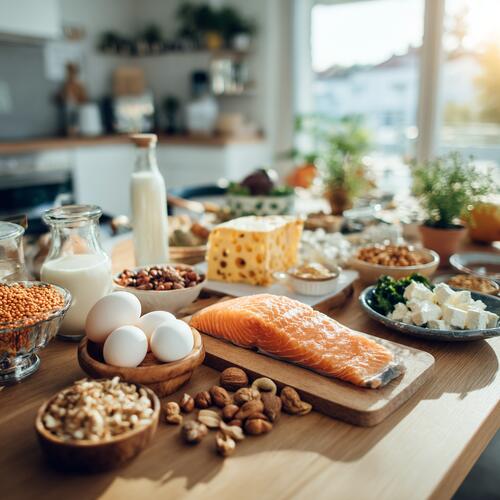 Why “chicken every day” is not a must
Chicken is convenient, but there are dozens of foods with protein. Moreover, variety often helps:
-
it's easier to stick to healthy eating without breakdowns
-
easier to meet micronutrient needs (iron, iodine, omega-3, calcium)
-
lower risk of getting bored with food and starting to compensate calories with sweets
The main thing isn’t “which product”, but to have protein regularly at every meal.
How much protein you need per day: a simple guide
If you’re losing weight or want a toned body, a practical range for most people:
-
1.6–2.2 g of protein per 1 kg of body weight per day
If you don’t work out and the only goal is to “eat normally”, often a smaller amount is enough, but the principle is the same: spread protein throughout the day.
A convenient starting goal:
-
25–35 g of protein in 3 meals
-
plus 1 protein snack 15–25 g
That’s a total of 90–130 g per day, without complex calculations.
Protein sources without chicken: foods and convenient portions
Below are protein averages — values depend on brand and fat content.
Fish and seafood
-
Tuna (canned in its own juice) 120 g: about 25–30 g protein
-
Salmon/trout 150 g: about 30–35 g
-
White fish (cod, hake) 170 g: about 30–35 g
-
Shrimp 200 g: about 40 g
Pros: easy to get enough protein, great taste, lots of options.
Turkey, beef, pork, liver
-
Turkey 150 g cooked: about 30–40 g
-
Lean beef 150 g: about 30–35 g
-
Lean pork 150 g: about 30–35 g
-
Liver 150 g: about 30 g
Tip: choose lean cuts for easier calorie control.
Eggs
-
2 eggs: about 12–14 g
-
2 eggs + 150 g egg whites (or 3–4 egg whites): already 25–35 g
If you want something “quick and filling,” eggs plus cottage cheese or yogurt make an excellent protein breakfast.
Dairy products
-
Cottage cheese 200 g (2–5%): about 28–34 g
-
Greek yogurt 250 g: about 20–30 g
-
Kefir 500 ml: about 15–20 g
-
Cheese 30 g: about 7–10 g
Life hack: cottage cheese and Greek yogurt are often the easiest ways to get extra protein without cooking.
Legumes and soy products
-
Cooked lentils 200 g: about 16–18 g
-
Cooked chickpeas 200 g: about 16–18 g
-
Cooked beans 200 g: about 14–16 g
-
Tofu 200 g: about 24–30 g
-
Edamame 200 g: about 20–24 g
Important: legumes contain protein along with carbohydrates. For weight loss this is fine, but it’s better to plan your portions.
Protein and ready-made protein products
-
Whey protein 1 serving (25–30 g powder): about 18–25 g protein
-
Protein yogurt/pudding: check label, often 15–25 g per serving
This is not mandatory. Just a tool if you don’t get enough protein from food.
How to distribute protein throughout the day easily
Rule 1: protein at every meal
Don’t try to “make up for it in the evening.” Do this instead:
-
breakfast 25–35 g
-
lunch 30–40 g
-
dinner 25–35 g
-
snack 15–25 g
Rule 2: keep 2–3 “standby” protein foods at home
For example:
-
cottage cheese, Greek yogurt
-
eggs
-
tuna or frozen fish
-
tofu or lentils
That way, you don’t depend on chicken.
Examples of meals without chicken
Below are ideas with clear logic — they’re easy to build into 1,200–2,000 kcal by adjusting portions.
Breakfasts
-
Cottage cheese 200 g + berries 100 g + 10 g nuts
Protein: about 30 g -
Omelet: 2 eggs + 200 g egg whites + vegetables
Protein: about 35–45 g -
Greek yogurt 250 g + oatmeal 40 g + berries
Protein: about 25–35 g
Lunches
-
Cod 170 g + rice/buckwheat 150 g cooked + vegetables
Protein: about 35 g -
Lean beef 150 g + potatoes 250 g + salad
Protein: about 30–35 g -
Lentils 250 g (cooked) + 2 eggs + vegetables
Protein: about 30 g
Dinners
-
Salmon 150 g + vegetables 300 g (stewed/roasted)
Protein: about 30–35 g -
Tofu 200 g + vegetables 300 g + soy sauce
Protein: about 25–30 g -
Shrimp 200 g + large salad + whole grain bread 60 g
Protein: about 40 g
Snacks
-
Greek yogurt 200 g
Protein: about 16–24 g -
Protein shake 1 serving
Protein: about 20–25 g -
Cottage cheese 150 g
Protein: about 20–25 g
Ready-to-use “chicken-free day” template for 110–130 g protein
-
Breakfast: omelet (2 eggs + egg whites) + vegetables
-
Lunch: white fish + side + salad
-
Snack: Greek yogurt
-
Dinner: tofu or shrimp + vegetables
Feel free to swap:
-
fish for turkey, beef, or liver
-
tofu for legumes
-
yogurt for cottage cheese
Common mistakes that prevent you from getting enough protein
-
Relying on “a bit of cheese” instead of real protein
Cheese is often low in protein but high in calories. -
Protein only at dinner
Hungry during the day, overeat in the evening. -
Legumes without managing portions
They’re healthy, but calories add up fast. -
Unfounded fear of dairy
If there’s no intolerance, cottage cheese and yogurt are often the best protein options.
Frequently asked questions
Is it possible to get enough protein without any meat at all?
Yes. Tofu, legumes, eggs, dairy products, and, if needed, protein powder will cover your needs. The main thing is distribution throughout the day and adequate portions.
What to do if you're sick of cottage cheese?
Swap it up: Greek yogurt, eggs, fish, tofu, legumes, protein desserts. Also, change the format: cream, casserole, cheesecakes, sauces.
How to get enough protein if you have no time to cook?
Tuna, Greek yogurt, cottage cheese, eggs, ready-cooked shrimp, protein powder. You can throw this together in 5–10 minutes.
Do you need to make up protein with protein powder?
No, if you get enough from food. Protein powder is helpful as a backup when you can’t get enough protein from regular meals.
Do you need to count protein gram by gram?
In the beginning, it’s enough to have protein at each meal and aim for 25–35 g at main meals. If your weight plateaus or you have athletic goals, then it makes sense to count more precisely.