

Evening Hunger and Nighttime Binge Eating: Causes and Action Plan
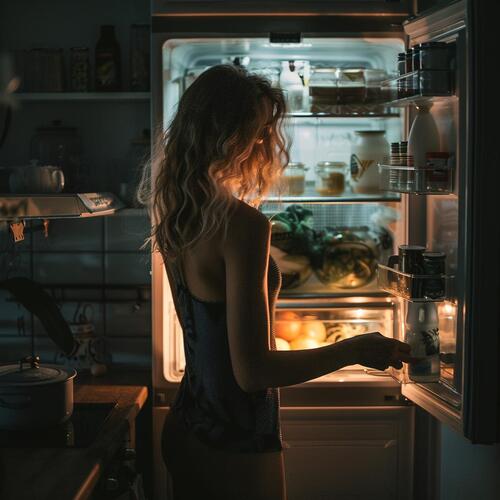 What should be considered a problem
If you sometimes eat later than usual, it’s not always “night eating syndrome.” The problem usually looks like this:
-
in the evening, there is a strong hunger that’s hard to control
-
you crave sweets and fast carbs
-
overeating happens almost automatically
-
after dinner, you want more and more, especially closer to night
Good news: in most cases, it’s not “weak willpower,” but a predictable response of the body to your routine, stress, and under-eating during the day.
Main reasons for evening hunger
1) Under-eating during the day
The most common reason. Coffee in the morning, snacks during the day, and in the evening the body is catching up. Especially if:
-
there’s not enough protein at breakfast or lunch
-
not enough real food, lots of “grazing”
-
calorie deficit is too strict
Marker: it’s easy to manage during the day, but in the evening you “lose control.”
2) Not enough protein and fiber
If you have little protein and vegetables during the day, satiety is short-lived. In the evening, your brain seeks a quick energy source, usually something sweet.
3) “Wrong” dinner
Two extremes:
-
the dinner is too light, and hunger returns an hour later
-
dinner is fatty and high-calorie but without enough volume and protein, so you still crave “seconds”
4) Lack of sleep
Not enough sleep increases appetite and cravings for sweets. If your sleep is regularly below normal, trying to resist with “willpower alone” is nearly useless.
5) Stress and the habit of emotional eating
Eating in the evening becomes a way to manage tension. It’s not about hunger, but about calming down.
Marker: you want to eat even after a regular dinner, and you crave “something tasty.”
6) Long gaps without eating
If there are 6–8 hours between lunch and dinner without a snack, the evening hunger will be too strong.
7) “I allow myself in the evening”
If there are restrictions during the day, and “everything is allowed” in the evening, your brain remembers this, and the habit is reinforced.
Quick 2-Minute Self-Diagnosis
Answer honestly:
-
How much protein do I have at breakfast and lunch?
-
Do I have a proper meal at lunch or just snacks?
-
How many hours do I sleep?
-
Do I have a snack between lunch and dinner?
-
Do I eat at night out of hunger or emotion?
Your answers usually immediately show your weak spot.
7-Day Action Plan
Goal: stop night eating without restrictions or heroics.
Step 1. Make dinner filling but controlled
Dinner foundation:
-
protein: 120–200 g of cooked product (fish, chicken, turkey, eggs, or cottage cheese)
-
vegetables: 250–400 g (preferably some cooked if you get bloated easily)
-
fat: 5–10 g (oil, nuts, cheese) or skip if you easily overeat calories
-
carbs as needed: if you often lose control in the evening, add a moderate portion of grains or bread so you don’t crave sweets
Dinner example:
-
fish 150 g + stewed vegetables 300 g + 5 g oil
or -
chicken 150 g + salad 250 g + buckwheat 100–150 g cooked
Step 2. Add a planned snack in the afternoon
If there’s a long gap between lunch and dinner, have a snack 2–3 hours before dinner:
-
yogurt or cottage cheese
-
an apple or berries
-
1–2 crispbreads
-
egg and vegetables
The snack should reduce hunger, not stimulate the appetite.
Step 3. Eliminate “hunger windows”
Don’t let yourself get so hungry that you could eat everything. Less heroics, more routine.
Step 4. Reduce evening stress with a 10-minute ritual
If you eat from emotions, you need a replacement:
-
10-minute walk
-
hot shower
-
4–6 minutes of deep breathing
-
tea and a calm, screen-free routine
Important: pause first, then decide if it’s hunger or habit.
Step 5. Rule: “first snack is protein-based”
If you still want to eat after dinner, pick ONE option in advance and stick to it for 7 days:
-
cottage cheese 150 g
-
Greek yogurt 200 g
-
omelet from 1 egg and 2 egg whites
-
kefir 250–300 ml
This lowers the chance of sweets and chain-eating cookies.
Step 6. Sleep as a basic tool
In week one, you don’t need a perfect routine. Simply:
-
go to bed 30–60 minutes earlier at least 3 days out of 7
-
turn off screens 30 minutes before sleep, if realistic
Step 7. Track not by single evenings, but by the overall trend
Evaluate:
-
how many evenings were binge-free
-
how your appetite changes
-
how often you managed to stop at a planned snack
What to do if night eating has already started
“Stop-the-chain” algorithm:
-
a glass of water or tea
-
5-minute pause
-
if you’re truly hungry, choose a protein option from the list above
-
if you crave sweets, it’s more likely fatigue or stress—return to your calming ritual
The goal isn’t perfection but reducing the scale of overeating.
Common mistakes
-
Too strict a deficit and too many restrictions
In the evening, your body gets back what’s missing. -
Dinner without protein
Salad or soup without protein often doesn’t satisfy hunger. -
Lots of “healthy calories” in the evening
Nuts, cheese, oil, spreads easily break the deficit. -
No sleep
Lack of sleep makes appetite stronger and self-control weaker.
Frequently Asked Questions
Why am I hungry in the evening, though I’m fine during the day?
Most often, you under-eat during the day or your deficit is too strict. In the evening, your body seeks energy.
Do I need a snack before bed?
If you’re truly hungry, it’s better to have a planned small protein snack than to binge at night.
What’s better to eat at night if you really want something?
Protein options: cottage cheese, yogurt, kefir, omelet. This reduces sweet cravings and fits more easily into your calorie deficit.
How to tell hunger from the habit of eating from stress?
If you’ve already eaten but crave sweets and “tasty” food, it’s more likely emotions. Try pausing 5–10 minutes and using a switching ritual.
How long does it take to get easier?
Usually the first improvements come in 3–7 days if you make dinner more balanced, add a snack during the day, and improve your sleep a bit.
Read also
- How to stop eating sweets and not slip up: 12 proven strategies
- Calorie norm for weight loss: calculation and common mistakes
- How much protein you need when losing weight: standard and distribution
- Fiber: how much you need and how to get enough without bloating
- Sleep: the key factor in weight loss
- Why weight plateaus on a deficit: reasons and what to do