

Protein for Weight Loss: Why You Need It, How Much, and Where to Get It
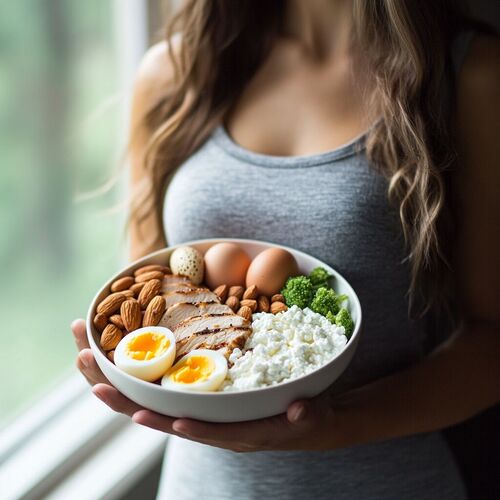 Why Protein is Important for Weight Loss
Protein — is not only a building material for muscles, but also an important component that helps you lose weight effectively and safely. During weight loss, your body often loses not only fat but also muscle mass. Sufficient protein intake helps to preserve muscles, speeds up metabolism, and contributes to a feeling of fullness.
Main Functions of Protein During Weight Loss:
-
Reduces hunger and controls appetite
-
Preserves muscle mass
-
Speeds up metabolism
-
Supports skin tone
-
Improves overall well-being
How Much Protein is Needed for Weight Loss
Protein needs depend on weight, level of physical activity, and goals. On average, for weight loss it is recommended:
-
1.2–2.2 g of protein per 1 kg of body weight per day
For women who are overweight and moderately active, about 1.5 g/kg is suitable.
Example: if you weigh 80 kg, your daily protein norm is from 96 to 160 g.
When is the Best Time to Eat Protein?
-
In the morning — reduces hunger throughout the day
-
After a workout — helps recover muscles
-
With every meal — helps maintain stable energy levels
Dividing protein intake evenly throughout the day helps reduce catabolism (muscle breakdown) and supports satiety.
Best Sources of Protein for Weight Loss
Animal sources:
-
Chicken breast
-
Turkey
-
Eggs
-
Fish (salmon, tuna, hake)
-
Cottage cheese
-
Low-fat yogurt
-
Milk
Plant sources:
-
Lentils
-
Chickpeas
-
Tofu
-
Soy products
-
Quinoa
-
Nuts and seeds (in moderation)
Protein Supplements:
-
Whey protein
-
Casein
-
Vegan proteins (pea, rice, soy)
Is it Possible to Overdo Protein?
Yes. Excess protein, especially with low water intake and little physical activity, can put stress on the kidneys and cause digestive discomfort. It's important to maintain balance: no more than 2.5 g per 1 kg of body weight and drink enough water (at least 30 ml/kg).
Protein and Fat Burning: How Are They Connected?
-
Protein requires more energy to digest (thermogenic effect)
-
Preserves muscles, which is important for metabolism
-
Increases satiety, reducing the risk of overeating
Common Myths
Myth 1: Protein is only for those who "work out"
No. Protein is important for everyone, especially during weight loss.
Myth 2: A lot of protein is bad for the kidneys
Only if you already have kidney disease. For healthy people, moderate consumption is safe.
Myth 3: You can lose weight on protein alone
No. Protein is an important part of a balanced diet, but for sustainable weight loss you must have a calorie deficit.
Protein is the key to effective and healthy weight loss. It helps preserve muscle, keeps you feeling full longer, and boosts your metabolism. Choose a variety of protein sources and don’t forget about water and physical activity — and your journey to a leaner figure will be much easier and more enjoyable.