What Is More Important for Weight Loss: Weight or Measurements
When losing weight, almost everyone looks at the scale. If the number goes down, everything is good. If it stays the same, then something is wrong. But very often the weight is misleading and doesn't reflect real progress.
Let's break down what is actually more important when losing weight: weight or measurements, and how to properly evaluate your results.
One of the most common concerns during weight loss: I’m losing weight but I don’t know what exactly is going. Is it fat, water, or muscle? Weight changes, measurements don’t always change, and your sensations may be conflicting.
Let’s break down, step by step, how to understand that you are truly losing fat, and not just water or muscle mass.
How to Break Through a Plateau Without Cutting Calories: Real and Effective Methods
A plateau during weight loss is a situation almost everyone faces. Calories have already been reduced, there’s a deficit, but the weight won’t budge. The first thought is obvious: cut calories even more. But this solution most often makes things worse.
Good news: in many cases, you can break through a plateau without further reducing calories. Let’s go through how to do this smartly and safely.
Bone Broth: Benefits, Recipe, and How to Cook at Home
Bone broth is a rich broth made from bones (often with joints and cartilage) through slow simmering over a long period. It is valued for its taste, gelatinous texture, and convenience: it is a basic ingredient for soups, sauces, and low-calorie snacks.
Below, we'll discuss which benefits of bone broth are truly supported by evidence, where marketing exaggerates, how to cook it deliciously and safely, and important details about salt, storage, and risks.
How to Stop Eating Sweets: Effective Strategies Without Banning Forever
A step-by-step plan on how to reduce your cravings for sweets while losing weight without strict prohibitions. Reasons for cravings, nutrition, habits, substitutes, a 14-day plan, and what to do if you have a breakdown.
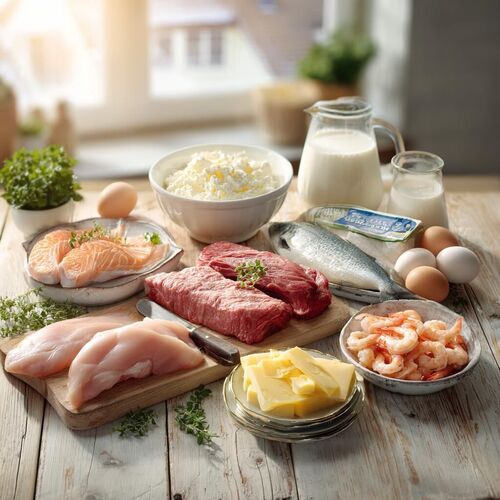
How Much Protein Do You Need When Losing Weight and How to Distribute It Across Meals
Protein in weight loss serves two main functions: it helps you maintain a calorie deficit more easily (satiety) and reduces the risk of muscle loss, which usually causes reduced tone and slower energy expenditure. The practical goal is to consume enough protein per day and distribute it so that each meal contains a working portion.
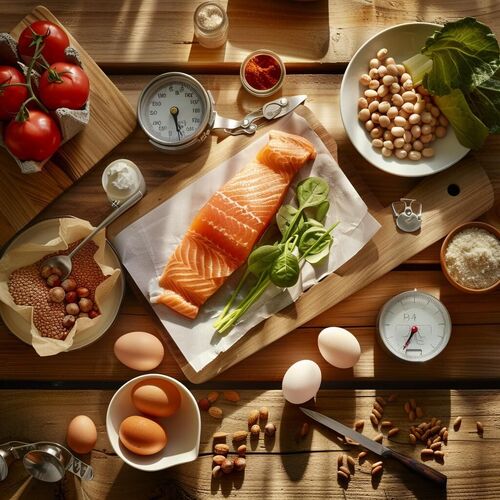
Many people lose weight without workouts and face an unpleasant effect: the weight goes down, but the body becomes soft, flabby, and the reduction in measurements isn’t where they would like it to be. This raises the question—can you actually preserve muscle without exercise?
The short answer: yes, you can. But under certain conditions.
Let’s dive into detail about how to maintain muscle mass without training, what to pay attention to, and which mistakes most often lead to muscle loss.
After 35, many people experience the feeling that their body is no longer obeying them. Weight is gained more easily, lost more slowly, and the thought of exercise brings not motivation, but fatigue. Often there’s no time, energy, or desire to train regularly.
The good news is that weight loss is possible even without exercise. Moreover, for many women after 35, it’s actually nutrition and lifestyle that play the key role, not workouts.
Let’s break down in detail how to lose weight after 35 without exercise, what you should actually focus on, and which mistakes most often prevent results.
The craving for sweets during weight loss is familiar to almost everyone. Even to those who used to be perfectly fine without desserts. It feels as if the body is deliberately resisting weight loss.
In reality, the craving for sweets almost always has specific reasons. Let's break down why it occurs during weight loss and how to deal with it without breakdowns or strict prohibitions.
The scale often becomes a source of stress. The number changes day by day, sometimes rises without obvious reasons, sometimes stays the same for weeks. Meanwhile, your body can actually change.
The good news is that the scale is not the only, and far from the most accurate, way to assess progress. Let’s break down how to measure weight loss results without a scale and understand that you’re moving in the right direction.
 What Is More Important for Weight Loss: Weight or Measurements
 How to Know You’re Losing Fat
 How to Break Through a Plateau Without Cutting Calories: Real and Effective Methods
 Bone Broth: Benefits, Recipe, and How to Cook at Home
 How to Stop Eating Sweets: Effective Strategies Without Banning Forever
 How Much Protein Do You Need When Losing Weight and How to Distribute It Across Meals
 How to Preserve Muscle Without Exercise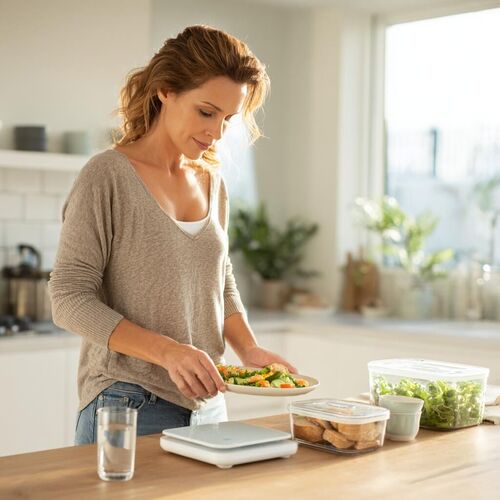
 Why You Crave Sweets While Losing Weight
 How to Measure Progress Without a Scale