

Products High in Healthy Protein: A Complete Guide
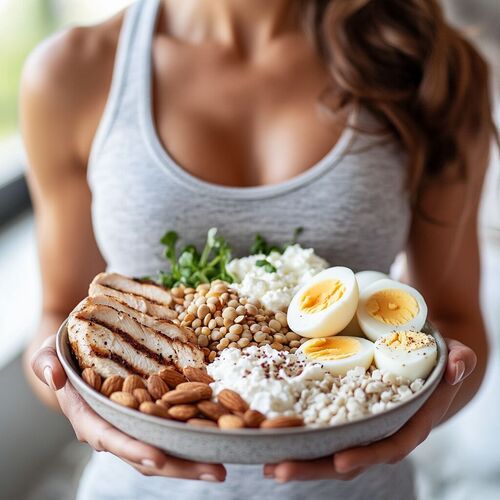 Why is protein important for the body?
Protein is a building material for cells, the basis of muscles, skin, hormones, and enzymes. It participates in tissue regeneration, metabolism, immune protection, and even in appetite regulation. Protein is especially important for:
-
weight loss (reduces hunger, speeds up metabolism);
-
gaining muscle mass;
-
recovery after physical activity or illness;
-
maintaining healthy skin, hair, and nails.
Daily protein requirement
For most people, the norm is 1.2 to 2.0 g of protein per 1 kg of body weight depending on the level of physical activity, age, and goals (for example, weight loss, maintaining fitness, or muscle growth).
What does “healthy protein” mean?
A healthy or complete protein contains all 9 essential amino acids that the body cannot synthesize on its own. Such proteins are usually found in animal products, but there are also plant-based sources close in quality.
TOP-30 foods high in healthy protein
🥩 Animal sources of protein (complete)
| Product | Protein (per 100 g) |
|---|---|
| Chicken breast | 23–25 g |
| Beef (lean) | 20–22 g |
| Turkey | 22–24 g |
| Chicken eggs | 12–14 g |
| Tuna (canned) | 24–26 g |
| Salmon | 20–22 g |
| Mackerel | 18–20 g |
| Cottage cheese 5% | 16–18 g |
| Greek yogurt 2% | 10–12 g |
| Milk 2.5% | 3–4 g |
| Hard cheese (Parmesan) | 28–30 g |
| Beef liver | 17–19 g |
🌱 Plant sources of protein (partially complete)
| Product | Protein (per 100 g) |
|---|---|
| Lentils (boiled) | 9 g |
| Chickpeas (boiled) | 8–9 g |
| Red beans | 8–9 g |
| Black beans | 8 g |
| Tofu | 10–12 g |
| Tempeh | 19–20 g |
| Quinoa (boiled) | 4–5 g |
| Oatmeal | 10–12 g |
| Buckwheat | 12–13 g |
| Almonds | 18–20 g |
| Peanuts | 25–26 g |
| Pumpkin seeds | 30 g |
| Chia seeds | 16–17 g |
| Bran/rye bread | 7–9 g |
Which is better — animal or plant protein?
Animal protein contains all essential amino acids; however, with a varied diet, plant sources can also provide a complete amino acid profile. Combine different foods: legumes + grains, nuts + seeds.
How to include protein in your diet: tips
-
Start your day with protein: egg, cottage cheese, yogurt.
-
Add protein to every meal: even in salads (tofu, chicken, eggs).
-
Snack on protein: nuts, hummus, protein bars.
-
Combine with fiber and healthy fats — this helps increase satiety.
The role of protein in weight loss
-
Reduces the level of ghrelin — the hunger hormone [1]
-
Speeds up metabolism due to the thermogenesis effect [2]
-
Helps preserve muscle mass during a calorie deficit [3]
How to choose quality protein
✅ Pure ingredients with no sugar or preservatives
✅ Minimal processing
✅ Low fat content when losing weight
✅ For vegetarians — combine sources (beans + rice)
Protein myths
❌ Too much protein is bad for your kidneys — for healthy people, this is a myth
❌ Protein is only in meat — plants have enough protein with proper planning
❌ Protein = chemicals — protein can be completely natural
Conclusion
Foods high in healthy protein are the foundation of a healthy diet, especially for weight loss, workouts, and recovering the body. Include a variety of protein sources daily, monitor quality, and combine with other nutrients. Your body will thank you!
Sources and research:
-
Westerterp-Plantenga, M.S. (2009). "Protein intake and satiety." Appetite.
-
Halton, T.L., & Hu, F.B. (2004). "The effects of high protein diets on thermogenesis, satiety and weight loss: a critical review." Journal of the American College of Nutrition.
-
Pasiakos, S.M. et al. (2013). "Protein supplementation and preservation of fat-free mass during weight loss." Nutrition & Metabolism.