

How to Create a Weekly Menu: Steps to Healthy and Balanced Nutrition
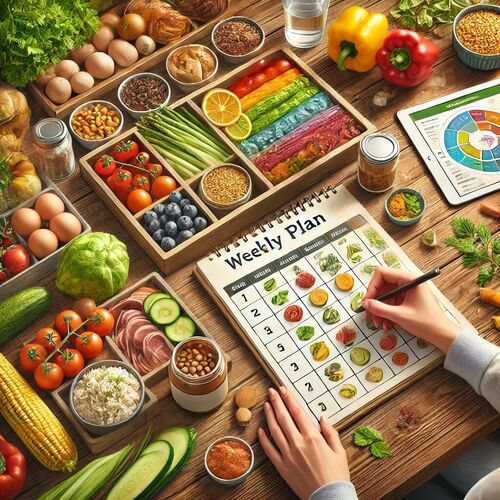 Planning a weekly menu is an effective way to provide yourself and your family with tasty, diverse, and nutritious food. It helps save time, money, and avoid unplanned snacks or fast food orders. In this article, we will look at the main principles of planning and ways to take personal tastes and goals into account when creating a weekly meal plan.
Main Principles of Planning
1. Define Nutritional Goals
Before you start planning, it's important to understand exactly what you want to achieve:
- Maintaining or losing weight
- Gaining muscle mass
- Improving overall health
- Following a therapeutic diet (if needed for medical conditions)
2. Balance Macronutrients
The foundation of Healthy Eating consists of three macronutrients:
- Proteins: needed for tissue repair and growth.
- Fats: essential for hormonal balance and vitamin absorption.
- Carbohydrates: the main source of energy.
Try to include all three components in correct proportions in every meal.
3. Consider Variety and Seasonality of Foods
A diverse diet provides the body with a wide range of essential vitamins and minerals:
- Fruits and vegetables: try to choose seasonal ones—they are healthier and cheaper.
- Protein sources: alternate meat, fish, poultry, dairy, legumes.
- Grains: opt for whole grain products rich in fiber.
4. Plan Ahead
- Set aside time on the weekend to compose your menu and shopping list.
- Check your supplies in the fridge and cupboards to use what you already have.
- Make a shopping list so you don't forget anything important and avoid impulse purchases.
5. Consider Your Budget
- Planning helps control spending on groceries.
- Buy in bulk non-perishable foods (grains, pasta, legumes).
- Look for discounts and promotions, but only for items you really need.
6. Meal Prep
- Prepare ahead some dishes or their components (for example, boil grains, cut vegetables).
- Freeze portions for future meals—this saves time on weekdays.
How to Consider Personal Tastes and Goals
1. Consider Diet Goals
- Weight loss: Lower the calorie content of your meals, choose low-calorie foods, increase vegetables and protein.
- Gaining weight or muscle mass: Increase your intake of proteins and carbohydrates.
- Maintaining health: Include foods rich in essential vitamins and minerals.
2. Personal Preferences and Restrictions
- Taste preferences: Choose foods and dishes you enjoy—this will increase the likelihood of sticking to your plan.
- Food allergies and intolerances: Exclude foods that cause a reaction, find alternatives.
- Vegetarianism or veganism: Plan your diet with enough plant-based proteins and necessary nutrients.
3. Cultural and Religious Considerations
- Take traditional dishes and restrictions into account.
- Exclude foods forbidden by your religion or culture.
- Include favorite family recipes, adapting them for healthy eating.
4. Schedule and Lifestyle
- Busy schedule: Choose quick-to-make dishes or cook for several days in advance.
- Physical activity: If you work out regularly, plan meals before and after workouts to restore energy.
Practical Steps for Making a Menu
Step 1: Decide on Number of Meals
- Standard is 3 main meals and 2 snacks.
- Consider your daily routine and needs.
Step 2: Make a List of Favorite Dishes
- Write down meals you and your family love.
- Divide them into categories: breakfasts, lunches, dinners, snacks.
Step 3: Spread Dishes Throughout the Week
- Alternate types of protein (meat, fish, legumes) and side dishes.
- Plan more complex dishes for days when you have more free time.
Step 4: Take Leftovers Into Account
- Cook meals that can be eaten for several days or use leftovers in new recipes.
- For example, baked chicken can be used in a salad or sandwich the next day.
Step 5: Add Variety
- Try new recipes each week.
- Use different cooking methods: baking, stewing, steaming.
Step 6: Prepare a Shopping List
- Check required ingredients for each dish.
- Add snacks and stock items (nuts, yogurts, fruits) to the list.
Sample Weekly Menu
Monday
- Breakfast: Oatmeal with milk, banana, and nuts.
- Snack: Apple and a handful of almonds.
- Lunch: Buckwheat with baked chicken breast and vegetable salad.
- Snack: Natural yogurt with berries.
- Dinner: Stewed vegetables with a piece of fish.
Tuesday
- Breakfast: Greek yogurt with granola and honey.
- Snack: Carrot sticks.
- Lunch: Rice with baked fish and green salad.
- Snack: Pear.
- Dinner: Omelet with vegetables and greens.
...
(continue planning in the same spirit for the rest of the week, keeping variety and balance in mind)
Useful Tips
- Flexibility: Be ready to swap out dishes if plans change.
- Practicality: Don't overwhelm yourself with complex recipes every day.
- Experimentation: Add new recipes so the menu doesn't become monotonous.
- Healthy snacks: Keep nutritious snacks on hand to avoid temptation of junk food.
Menu planning for the week is a skill that becomes easier and more enjoyable over time. It allows you to control your diet, save money and time, and also ensures a rationally balanced and tasty diet. By considering personal preferences and goals, you will be able to create an individual plan that meets your needs and supports a healthy lifestyle.