

How many vegetables do you need per day when losing weight, and how can you add them without forcing yourself?
 How Many Vegetables Per Day for Weight Loss
A practical norm for most people who are losing weight:
-
400-600 g of vegetables per day
This is usually 3-5 servings, with 1 serving being about 80-120 g.
Why this range is convenient:
-
provides food volume with low calories
-
adds fiber, which reduces hunger
-
helps you build your plate so it’s easier to maintain a deficit
Important: don’t start right away with 600 g if you currently eat almost no vegetables. It’s better to add them gradually, otherwise there will be bloating and aversion.
Which Vegetables to Count
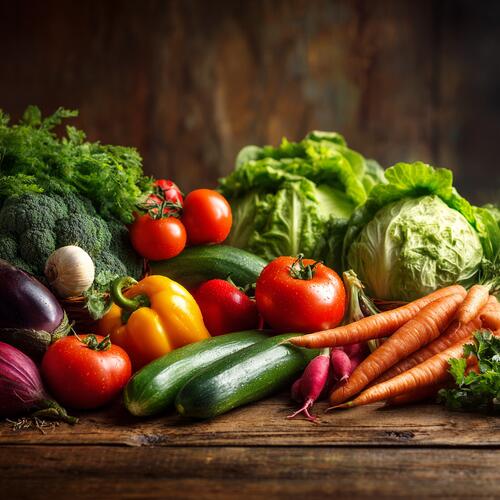
Count all non-sweet vegetables:
-
cucumbers, tomatoes, peppers, greens, lettuce
-
cabbage, zucchini, eggplant, carrots, beets
-
mushrooms
-
frozen vegetable mixes
-
soups based on vegetables, if there is a real amount of vegetables
It’s more convenient to class potatoes and corn as side dishes since their calorie content is higher and they work as carbohydrates.
How to Add Vegetables Without Forcing Yourself
The main idea: vegetables should simplify your life, not be a special challenge.
1) Start with one serving a day
Not “all the salads in the world at once”, but one anchor:
-
200 g of vegetables for dinner
or -
150-200 g of vegetables at lunch
Once this becomes automatic, add a second serving.
2) Prioritize cooked vegetables if raw ones cause bloating
Stewed, baked, soups, and steamed vegetables are usually easier to digest than a huge raw cabbage salad.
3) Use frozen vegetables
Frozen vegetables solve the “no time” and “nothing to cook” problem.
Method: pan + mix + spices, 7-10 minutes.
4) Vegetables as “sauce” or “spread”
If you don’t like “just vegetables”:
-
tomato sauce for meat or fish
-
zucchini caviar without sugar
-
vegetable cream soup
-
hummus as a vegetable snack
5) The “half plate” rule
The simplest visual control:
-
half the plate — vegetables
-
one quarter — protein
-
one quarter — side dish
This way you eat more vegetables automatically, without counting grams.
6) Make vegetables tasty, not perfect
Vegetables without salt or oil rarely become a habit. It’s fine to use:
-
1 tsp oil per serving
-
spices, lemon juice, soy sauce
-
yogurt-based dressing
All of this still fits a calorie deficit more often than cutting out vegetables and subsequent binges.
7) Add vegetables to what you already eat
-
omelet with vegetables
-
pasta with vegetables and fish
-
buckwheat plus stewed vegetables
-
homemade shawarma, with half of the volume being vegetables
8) Make a vegetable snack you’ll actually eat
It doesn’t have to be carrot sticks if that annoys you. Options:
-
cucumbers and tomatoes with salt
-
pepper with yogurt sauce
-
salad in a container, but without “over-perfecting”
9) Remove barriers
If you have to wash, chop, and think about vegetables, you won’t eat them.
Prep once every 2-3 days:
-
wash and cut cucumbers, peppers, greens
-
bake a tray of vegetables for 2 days
-
keep frozen veggies and tomatoes in their juice on hand
10) Plan vegetables where you usually slip up
Many people have setbacks in the evening. Then:
-
for dinner, 250-400 g of cooked vegetables
-
plus protein
This way you feel full and are less likely to want “seconds”.
7-Day Plan: How to Reach the Norm Without Stress
Days 1-2
-
200 g of vegetables for dinner, any type
Days 3-4
-
200 g for dinner
-
plus 100-150 g at lunch (soup or salad)
Days 5-7
-
200-250 g for dinner
-
150-200 g at lunch
-
optionally 100 g at breakfast (omelet, vegetables with eggs)
This way, you gently reach 400-600 g without a sudden jump.
What to Do if Vegetables Cause Bloating
-
Start with cooked vegetables and soups
-
Increase the serving gradually every 3-4 days
-
Monitor your water intake
-
Don’t overdo cabbage and legumes in large amounts right away
-
If you have chronic GI issues, it's best to discuss your diet with a specialist
Common Mistakes
-
Trying to replace real food with vegetables
Vegetables are the base for volume, but you also need protein. -
Choosing only salads
If you’re tired of them, switch to baked, stewed, soups, or vegetable side dishes. -
Making vegetables a "punishment"
If you just endure them, the habit won’t form. Make them tasty. -
Jumping suddenly from 0 to 600 g
This almost guarantees discomfort and quitting.
Frequently Asked Questions
How many vegetables per day for weight loss in grams?
A convenient reference is 400-600 g per day, but it’s better to start with 200 g and increase gradually.
Is it possible to lose weight without vegetables?
Theoretically yes, but in practice, it’s easier to maintain a deficit without hunger and with fewer setbacks when you eat vegetables.
What vegetables are best for weight loss?
Any that you’ll actually eat. For satiety, cucumbers, tomatoes, zucchini, broccoli, cauliflower, mushrooms, peppers, and greens work well.
Do I need to eat vegetables for breakfast?
Not necessarily, but an omelet with vegetables or vegetables with eggs helps you get your norm effortlessly.
How many vegetables to eat in the evening?
If you’re hungriest at night, 250-400 g of vegetables with dinner often works great.