

Weighing During Weight Loss: How Often and When is Best to Do It
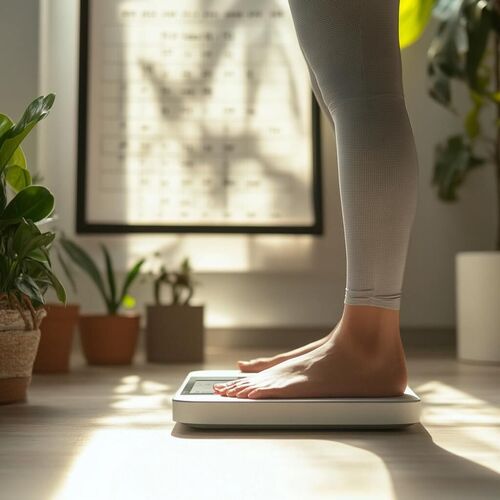 The path to achieving your desired weight is often accompanied by regular weigh-ins. However, it’s not always clear how often you should step on the scale to get an objective picture of your progress, or how to avoid becoming overly fixated on the numbers. In this article, we’ll review the optimal time of day for weighing yourself, recommended frequency, and ways to avoid obsessive weight control.
The Optimal Time of Day for Weighing Yourself
Morning is the best time to weigh yourself
You can get the most accurate weigh-in results in the morning, right after waking up, before breakfast, and after using the restroom. At this time:
- Your body is free from excess fluids and food since several hours have passed since your last meal.
- Minimal influence of external factors such as food intake, drinks, or physical activity.
Why is it important to weigh yourself at the same time?
- Consistency of conditions: When you weigh yourself at different times of the day, you may see weight fluctuations related to food, water intake, or physical activity.
- Data comparability: Regularly weighing yourself at the same time allows you to track real changes in weight rather than temporary fluctuations.
Frequency of Weighing: How Often Should You Step On the Scale?
Optimal frequency: 1–2 times a week
-
Why shouldn’t you weigh yourself daily?
- Natural weight fluctuations: A person’s weight can change by 0.5–1.5 kg per day due to various factors—salt intake, hydration levels, hormonal changes.
- Risk of developing obsession: Daily monitoring of the scale’s numbers can lead to excessive fixation on weight, affecting your mood and self-esteem.
-
Recommended frequency:
- Once a week: Choose a specific day and time for weighing in. For example, every Wednesday morning.
- Twice a week: If you want more frequent monitoring, pick two days at equal intervals. For example, Monday and Thursday.
Weigh-in Tips:
- Use the same scale: Different devices may show different results due to calibration and accuracy.
- Weigh yourself in the same clothes or without them: Clothes can add weight and cause inaccuracies.
- Record your results: Keep a journal or use the SYPB 30 Calorie Counter app to track your progress.
Avoiding Obsession Over the Number on the Scale
Understanding the nature of weight
- Weight is not just fat: Your weight is affected by muscle mass, fluid levels, digestion, and other factors.
- Weight fluctuations are normal: Don’t panic over small changes. Focus on the long-term trend.
Focus on other indicators of progress
- Body measurements: Measure waist, hips, and chest circumference. Sometimes your measurements decrease even if the scale doesn’t move.
- Physical fitness and endurance: Assess how much easier physical activities have become for you.
- Well-being and energy: Pay attention to your energy levels, sleep quality, and general well-being.
Strategies to Maintain a Healthy Relationship with Weighing
- Set reasonable goals: Realistic expectations help you avoid disappointment.
- Avoid frequent comparisons with others: Everyone has their own path and pace of change.
- Don’t tie your self-worth to the number on the scale: You are so much more than just a number.
Regular weigh-ins are a useful tool in the weight loss process, but it’s important to use them correctly. Ideally, weigh yourself 1–2 times a week in the morning, under the same conditions. This will help you get an objective view of your progress and avoid unnecessary stress. Remember, weight is not the only measure of your success. Focus on your overall health, well-being, and positive changes in your life. Avoid daily obsession over the numbers and strive to maintain a healthy attitude towards your body and the process of losing weight.
We wish you success on your journey towards achieving your goals and maintaining harmony with yourself!