

Tips for Festive Feasts: How to Enjoy the Holidays Without Harming Your Health
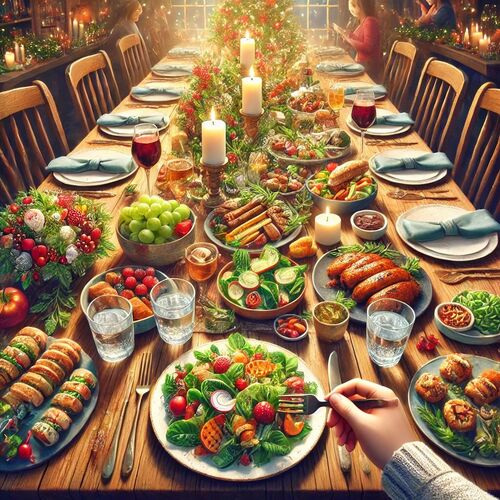 Festive feasts are a time of joy, connecting with loved ones, and, of course, an abundance of delicious dishes. However, we often end up feeling heavy, overindulged, and sometimes even regretful about what we've eaten after such events. So how can you prepare for the holiday to enjoy it without harming your health or figure? In this article, we’ll share tips to help you celebrate with pleasure and without consequences.
How to Prepare for a Festive Feast
-
A Light Meal Before the Celebration
Why is this important?
Many people make the mistake of starving themselves all day before the celebration to "save" calories for the evening feast. However, this leads to feeling extremely hungry when the celebration begins and being more prone to overeating, as well as choosing higher-calorie, less healthy foods.
What should you do?
- Balanced breakfast and lunch: Start your day with a nourishing breakfast, such as oatmeal with fruit or scrambled eggs with vegetables. For lunch, choose something light but rich in protein and fiber, like a salad with chicken or fish.
- Snacks: A couple of hours before the event, have a light snack: yogurt with nuts, a piece of fruit, or a small portion of cottage cheese. This will help control your appetite and prevent overeating in the evening.
-
Planning and Mindset
- Set your goals: If you monitor your nutrition or follow a specific diet, think in advance about which dishes you can allow yourself and which ones are better to skip.
- Focus on socializing: Remember, the holiday is not only about food but also about connecting with loved ones. Focus on conversations, games, and quality time together.
-
Physical Activity Throughout the Day
- Move before the celebration: A light walk, morning exercise, or yoga can help speed up your metabolism and boost your mood.
- Active games during the festivities: If possible, suggest to your guests some active games or dancing — this will add fun and help burn extra calories.
Focus on Salads Without Heavy Dressings
-
The Benefits of Light Salads
Why choose salads?
- Rich in vitamins and minerals: Fresh vegetables and fruits provide your body with essential nutrients.
- Fiber: Helps maintain a feeling of fullness and supports healthy digestion.
- Low in calories: Unlike heavy dishes, light salads are usually lower in calories.
-
How to Make Salads Delicious and Healthy
-
Use a variety of ingredients:
- Leafy greens: spinach, arugula, salad mixes.
- Vegetables: tomatoes, cucumbers, bell peppers, avocado.
- Fruits and berries: pomegranate, apples, oranges, cranberries.
- Protein add-ins: chicken breast, turkey, shrimp, tofu, eggs.
- Nuts and seeds: walnuts, almonds, pumpkin or sunflower seeds for crunch.
-
Swap heavy dressings for light dressings:
- Olive oil and lemon juice: a classic combination that enhances the flavor of fresh ingredients.
- Yogurt-based sauces: plain yogurt with mustard, honey, and herbs.
- Balsamic vinegar or sauce: adds zest and sweetness without extra calories.
- Avocado-based sauce: puree avocado with lemon juice and spices for a creamy texture.
-
-
Examples of Tasty and Healthy Salads for Celebrations
-
Arugula, Strawberry, and Goat Cheese Salad:
- Arugula
- Fresh strawberries, sliced
- Goat cheese or feta
- Pecan nuts
- Dressing of balsamic vinegar and honey
-
Quinoa and Vegetable Salad:
- Boiled quinoa
- Cucumbers, tomatoes, red onion
- Chopped parsley and mint
- Light dressing of olive oil and lemon juice
-
Chicken Caesar without mayonnaise:
- Lettuce leaves
- Baked chicken breast, sliced
- Whole-grain bread croutons
- Grated Parmesan
- Dressing based on plain yogurt, mustard, and lemon juice
-
Additional Tips for Festive Feasting
-
Portion Control
- Use smaller plates: This visually helps to control the amount of food you eat.
- Start with salads and veggies: Fill half your plate with healthy foods before moving on to higher-calorie dishes.
- Eat slowly: Chew your food thoroughly and savor the taste — this helps you feel full sooner.
-
Choosing Drinks
- Opt for water, mineral water, or herbal tea.
- Limit your intake of alcoholic and sugary carbonated drinks: They contain a lot of hidden calories.
- If you consume alcohol, choose dry wine and drink in moderation.
-
Smart Desserts
- Choose fruits or light desserts: Sorbets, fruit salads, or baked fruits.
- Sample instead of overeating: If you want to try several types of desserts, take small portions of each.
-
Listen to Your Body
- Pay attention to satiety: Don’t eat "out of politeness" or just because food is on the table.
- Don’t feel guilty: Let yourself enjoy your favorite dishes in reasonable amounts. The holiday is a time for joy, not restrictions.
Festive gatherings don’t have to be a test for your body and figure. With the right preparation and a mindful approach, you can enjoy delicious food, socializing, and a celebratory atmosphere without worrying about the consequences. Remember, the key to success is balance and moderation. May your holidays be filled with joy, health, and wonderful memories!
Happy upcoming holidays!
Also Read in the SYPB 30 Blog
Healthy Eating desserts made from cottage cheese: 12 delicious recipes without sugar or extra calories (sit30.net)
Healthy Eating ice cream recipes: how to enjoy without harming your figure (sit30.net)
Healthy soups and cream soups: light lunch ideas and digestive benefits (sit30.net)
Bone broth: benefits and harms, recipe, how to cook it right (sit30.net)