Low-calorie desserts: what really works and how to eat sweets without breaking your diet
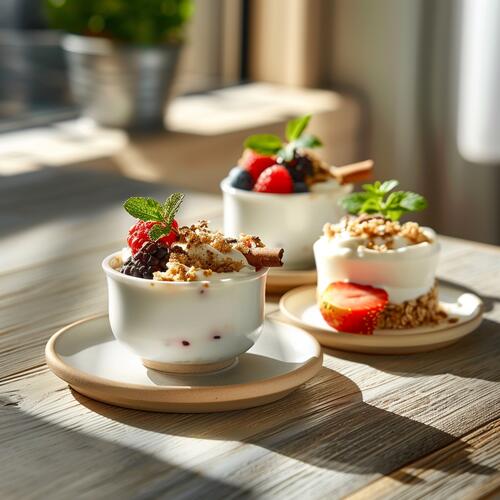 What "works" really means in practice
A low-calorie dessert works if 3 conditions are met:
-
it can fit into your calorie deficit
-
after eating it you don't feel like you need "something else"
-
it doesn't trigger a binge on cookies, candy, or mindless snacking
That's why not just calories are important, but also satiety, taste, habits, and triggers.
Why many Healthy Eating desserts don't help you lose weight
Mistake 1. "Healthy" does not mean low-calorie
Nuts, nut butters, coconut, dried fruit, honey, and granola can be healthy, but they are high in calories. The result is simple: the dessert is tasty, but the deficit disappears.
Mistake 2. Sweets instead of real food
When dessert replaces a proper meal without protein and enough volume, intense hunger is almost guaranteed in the evening.
Mistake 3. Dessert as a reward
The model "I resisted all day, evening is my reward" almost always ends in overeating. It's better to plan your dessert in advance and make it part of your meal plan.
The formula for a low-calorie dessert that keeps you full
A practical construction:
-
protein base (cottage cheese, Greek yogurt)
-
volume and flavor (berries, apple, cocoa, vanilla, cinnamon)
-
sweetness without extra calories (sweetener to taste)
-
crunch and fats, strictly in moderation (nuts 5–10 g, if necessary)
Cottage cheese desserts are convenient because they provide protein and predictable calories.
12 ideas that actually work in practice
Below are options that are usually easier to fit into a 1200–1800 kcal meal plan and don't break your control.
-
Cottage cheese cream + berries
Cottage cheese 2–5% 150–200 g, sweetener, vanilla, berries 100 g. -
Greek yogurt + berries + 5 g chia
Tasty, quick, gives good satiety. -
Chocolate cottage cheese cream
Cottage cheese 150–200 g + cocoa 7–10 g + sweetener + a pinch of salt. -
Baked apples with cottage cheese
Apple 1–2 pcs + cottage cheese 100–150 g + cinnamon. -
Healthy Eating glazed cheese bars
Portion control and a clear ingredient list. You already have the recipes with the measurements. -
Cottage cheese ice cream without cream
Blender: cottage cheese + frozen banana, gives a dessert-like taste without extra fat. -
Strawberry yogurt ice cream
Berries + 2% yogurt + a bit of sweetener. One of the simplest and most reliable options. -
Gelatin jelly + berries
Easy to control calories, good texture, especially if you want a "spoonable dessert." -
Protein dessert
If you tolerate it well and it doesn't trigger overeating. -
Cocoa drink with 1.5% milk
Sometimes you want flavor, not food. A warm drink often satisfies the craving. -
Portioned cottage cheese casserole
Make small portions, divide into containers, so there's no "just one more bite." -
Fruit in a portion + yogurt
Fruit on its own is fine, but with protein the urge for seconds is usually less.
How to fit dessert into weight loss
Portion rule
If you are in a deficit, most often a comfortable dessert portion is 150–300 kcal. Then it doesn't ruin your day or trigger the "since I've started, I might as well..." cycle.
The best time
-
after lunch
-
after dinner, but only if dinner was proper (protein + vegetables)
If you eat dessert on an empty stomach, the risk of overeating is higher.
7-day plan to avoid breakdowns
Days 1–2: choose 2–3 "safe" desserts and keep only those at home
Days 3–4: schedule dessert in advance 3–4 times a week
Days 5–7: pre-measure your portions and don’t add "something extra" on top
Frequently asked questions
Do you need to completely give up sweets to lose weight?
No. What matters is a deficit and portion control. Total restrictions often lead to breakdowns.
Are sugar-free desserts always low-calorie?
No. Sugar-free can still be high in fat and calories (nuts, nut butters, coconut). Check the portion and ingredients.
What is the most filling low-calorie dessert?
Cottage cheese or Greek yogurt with berries. Protein brings satiety, berries add volume and taste. (sit30.net)
Can you eat Healthy Eating ice cream while losing weight?
Yes, if it’s made with yogurt or cottage cheese and you control the portion. You already have a collection of recipes. (sit30.net)
How do you know if a dessert isn’t right for you?
If it almost always leads to craving more sweets or increases your evening appetite, it’s a trigger. Then change the recipe or reduce the frequency.
Read also
- Healthy Eating cottage cheese desserts: 12 sugar-free recipes without extra calories
- Healthy Eating ice cream recipes: how to enjoy without harm
- Healthy Eating glazed cheese bars: 8 sugar-free recipes with measurements and nutrition info
- How to stop eating sweets and not break down: 12 practical strategies
- A 1200 kcal menu for a day: options for breakfast, lunch, dinner, and snacks