The Impact of Excess Sugar on the Body
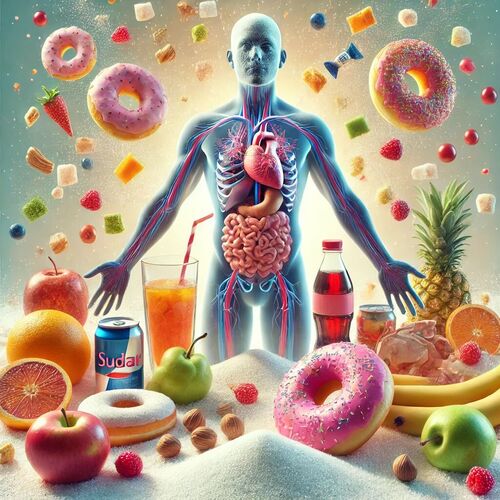 Sugar takes up a significant place in the modern person's diet. It is added to various foods and drinks, often being present in hidden form. While a small amount of sugar is necessary for the body to obtain energy, excessive consumption can cause serious harm to health. In this article, we will look at how an excess of sugar affects the body, why blood glucose levels rise, and the increased risk of developing diabetes. We will also discuss how to recognize if you are overdoing it with sugar, and what steps can be taken to reduce its consumption.
Rising Glucose Levels and Diabetes Risk
1. What happens when sugar is consumed?
When we consume sugar and foods rich in simple carbohydrates, they are quickly digested and broken down into glucose. Glucose enters the bloodstream, raising its level (glycemia). To transport glucose into the cells and use it as an energy source, the pancreas produces the hormone insulin.
2. Consequences of excessive sugar consumption
-
Constant spikes in glucose and insulin levels: With regular consumption of large quantities of sugar, blood glucose levels often rise sharply. This leads to frequent insulin surges.
-
Insulin resistance: Over time, cells may become less sensitive to insulin. This condition is called insulin resistance. The pancreas tries to compensate by producing even more insulin.
-
Development of Type 2 diabetes: If insulin resistance continues to progress, the pancreas may not be able to keep up with the demand for insulin, leading to chronically elevated blood glucose levels and the development of Type 2 diabetes.
3. Other health risks
-
Obesity: Excess sugar leads to excessive calorie consumption, which can result in weight gain and obesity.
-
Cardiovascular diseases: High blood sugar and insulin levels are associated with a higher risk of hypertension, high "bad" cholesterol (LDL), and atherosclerosis.
-
Metabolic disorders: An excess of sugar can lead to metabolic syndrome—a cluster of metabolic disorders.
How to understand that you are overdoing sugar
1. Physical signs of excessive sugar consumption
-
Constant fatigue: Although sugar gives a quick energy boost, a sharp drop in energy may follow.
-
Frequent hunger and cravings for sweets: Glucose spikes cause rapid hunger and a desire to eat something sweet.
-
Weight gain: If you notice weight gain without changes in your diet or physical activity, it may be related to excessive sugar consumption.
-
Skin problems: Excess sugar can lead to acne and premature skin aging due to glycation processes.
-
Cavities and oral diseases: Sugar promotes the growth of bacteria that destroy tooth enamel.
2. Medical indicators
-
High fasting blood glucose level: If your blood test shows a glucose level above normal, this signals possible disorders.
-
Elevated triglyceride and cholesterol levels: This may indicate lipid metabolism disorders due to excessive sugar consumption.
3. Behavioral signs
-
Constant craving for sweets: If you can't imagine a day without sweets or feel psychologically dependent on them, this is a warning sign.
-
Sweets as a way to cope with stress: If you use sweets as comfort or a reward, it's important to pay attention to this.
Tips for reducing sugar consumption
1. Mindful eating
-
Read food labels: Sugar can be hidden under different names: glucose syrup, fructose, maltose, sucrose, honey, corn syrup, etc.
-
Avoid processed foods: Ready meals, sauces, dressings, and prepared breakfast foods often contain hidden sugar.
2. Choose healthy alternatives
-
Fruits instead of candy: They contain natural sugars, fiber, and vitamins.
-
Use natural sweeteners: Stevia or a small amount of honey can replace sugar in drinks and dishes.
3. Gradually reduce sugar
-
Reduce the amount of added sugar: If you're used to putting 2 teaspoons of sugar in your tea, try cutting down to 1, then to half.
-
Cut down on sweet drinks: Soda, juices, and energy drinks contain large amounts of sugar.
4. Regular meals
-
Balanced meals: Include proteins, healthy fats, and complex carbohydrates in your diet. This will help maintain stable blood glucose levels.
-
Snacks: Healthy snacks (nuts, plain yogurt, vegetables) will help you avoid sudden hunger.
5. Stay physically active
- Regular exercise: Physical activity helps improve insulin sensitivity and control glucose levels.
6. Take care of your emotional state
- Manage stress: Yoga, meditation, or other relaxation techniques can help reduce the urge to "eat away" stress with sweets.
Excessive sugar consumption has serious health consequences: from metabolic disorders to the development of chronic diseases such as Type 2 diabetes and cardiovascular disease. Being aware of your eating habits and paying attention to your diet will help reduce sugar intake. It is important to find balance and choose healthy alternatives, as well as listen to the signals your body sends.
Remember: health is an investment in your future. Make the choice for mindful eating today!
Take care of yourself and stay healthy!