Готовить себе отдельную куриную грудку, отдельную кастрюлю гречки и персональный салат необязательно. Можно есть ту же домашнюю еду, что и остальные члены семьи, и при этом достаточно точно контролировать калорийность рациона.
Главное не пытаться определить калории по размеру тарелки. Нужно один раз рассчитать общее блюдо, узнать его калорийность на 100 г, а затем взвесить только свою порцию.
Такой способ подходит для супов, плова, запеканок, котлет, тушеного мяса, макарон с соусом и других блюд, которые готовят сразу на несколько человек.
Wie man Öl beim Braten, Backen und beim Zubereiten von Salatdressings berücksichtigt
Öl ist oft der Grund für einen unbemerkten Fehler im Ernährungstagebuch. Man wiegt Fleisch, Getreide und Gemüse sehr genau ab, gibt das Öl jedoch „nach Gefühl“ in die Pfanne oder notiert es gar nicht. Dadurch ist der tatsächliche Kaloriengehalt des Gerichts höher als berechnet.
Besonders viele Fragen entstehen beim Braten. Ist das gesamte Öl in der Pfanne geblieben oder wurde ein Teil von den Lebensmitteln aufgenommen? Muss man den gesamten Löffel eintragen oder nur ein paar Gramm? Wie rechnet man das Öl, wenn für die ganze Familie gekocht wurde?
Wie man Kalorien nach der Zubereitung berechnet: Warum sich das Gewicht des Produkts verändert
Sie haben 100 g trockenen Buchweizen abgewogen, ihn gekocht und fast 300 g Brei erhalten. Dann haben Sie 500 g Hähnchenfilet in den Ofen gelegt, und nach der Zubereitung blieben auf der Waage nur 375 g übrig.
Im ersten Fall ist das Produkt schwerer geworden, im zweiten leichter. Daraus ergibt sich die berechtigte Frage: Ändert sich die Gesamtkalorienzahl eines Produkts nach der Zubereitung und welchen Wert sollte man im Ernährungstagebuch notieren?
Die wichtigste Regel lautet:
Die Zubereitung verändert das Gewicht des Produkts, erzeugt aber für sich genommen keine zusätzlichen Kalorien.
Kalorien im rohen oder gekochten Zustand zählen: Wie man Lebensmittel richtig abwiegt
Buchweizen wird nach dem Kochen schwerer, während Hähnchenbrust nach dem Backen an Gewicht verliert. Dabei fügt Wasser den Lebensmitteln keine Kalorien hinzu, und sein Verdampfen macht ein gewöhnliches Filet nicht kalorienreicher.
Wie sollte man also Kalorien zählen: im rohen oder im gekochten Zustand?
Die wichtigste Regel ist ganz einfach:
Das Lebensmittel muss in dem Zustand berücksichtigt werden, für das der Kaloriengehalt in der App-Datenbank oder auf der Verpackung angegeben ist.
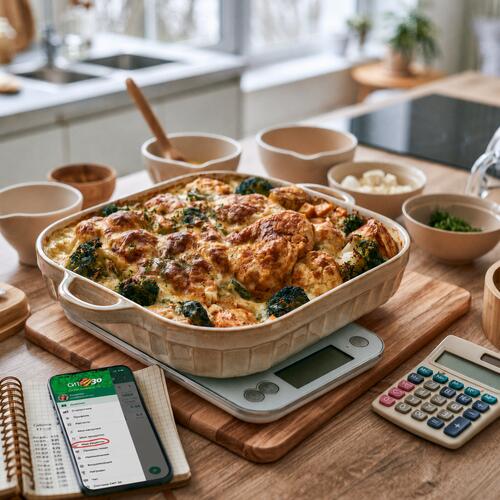
Wie man die Kalorien eines komplexen Gerichts zählt: Suppe, Plov, Salat und Auflauf
Es ist nicht schwierig, die Kalorien eines Apfels oder einer Packung Quark zu berechnen: Man muss nur die Angaben auf dem Etikett anschauen und das gegessene Gewicht angeben. Die Fragen beginnen, sobald Fleisch, Getreide, Gemüse, Öl, Soße und Wasser im Topf vereint werden.
Wie zählt man die Kalorien eines komplexen Gerichts, wenn sich das Gewicht der Lebensmittel während des Kochens verändert? Was macht man mit dem Wasser in der Suppe? Wie bestimmt man die Kalorien einer Portion Plov oder eines Stücks Auflauf?
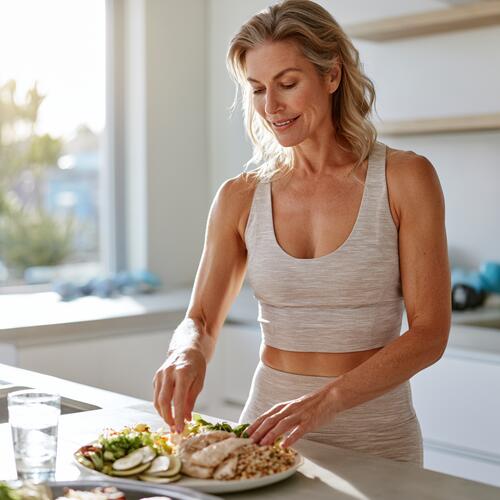
Was Frauen über 40 beim Abnehmen hindert: Ernährung, Schlaf, Stress, Aktivität
Nach dem 40. Lebensjahr beobachten viele Frauen ein seltsames Muster: Die Ernährung hat sich kaum verändert, die Portionen sind eher klein, aber das Gewicht steigt allmählich. Versuche, eine Diät einzuhalten, bringen nur kurzfristige Ergebnisse, nach denen die Kilos schnell zurückkehren. Der Bauch wird sichtbarer, die gewohnte Kleidung sitzt anders und das Abnehmen erfordert deutlich mehr Einsatz als vor zehn Jahren.
Das bedeutet nicht, dass es nach 40 unmöglich ist, abzunehmen oder dass der Körper aufgehört hat, Fett zu verbrennen. In der Regel verändern sich mehrere Faktoren gleichzeitig: die Muskelmasse, die Alltagsaktivität, die Schlafqualität, Essgewohnheiten und der Hormonhaushalt.
Большое обновление Счетчика калорий СИТ 30 для Apple: фактически новое приложение
Вышло крупное обновление Счетчика калорий СИТ 30, которое корректнее воспринимать не как очередную версию, а как полностью новое приложение. Система была переписана с нуля: изменена архитектура, переработаны ключевые механизмы работы и обновлён пользовательский интерфейс. При этом сохранена привычная логика, благодаря которой пользователи легко адаптируются к новой версии.
Was sich nach 40 ändert und warum Abnehmen schwieriger erscheint
Nach 40 Jahren kommen oft drei Faktoren zusammen: weniger Alltagsaktivität, schlechterer Schlaf und höheres Stressniveau. Am Ende sinkt der Energieverbrauch, während Appetit und Verlangen nach schnellen Snacks steigen. Das Problem ist meist nicht, dass Abnehmen unmöglich wäre, sondern dass die Strategie präziser werden muss: ein ehrliches Defizit, genügend Eiweiß, ein stabiler Rhythmus und minimale, aber regelmäßige Aktivität.
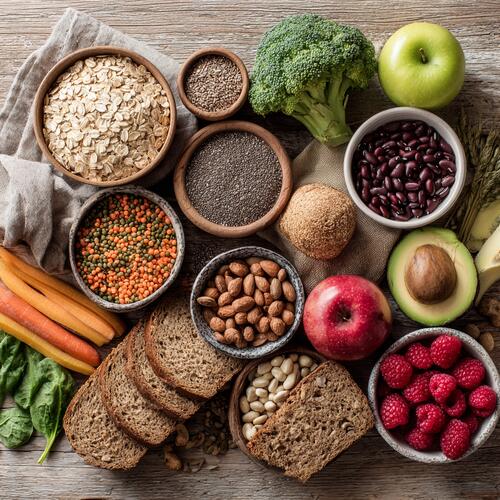
Ballaststoffe sind Nahrungsfasern aus pflanzlichen Lebensmitteln. Sie werden kaum verdaut, beeinflussen aber das Sättigungsgefühl, die Darmfunktion, die Mikrobiota und die Stabilität des Appetits. Beim Abnehmen sind Ballaststoffe besonders nützlich, da sie Volumen geben und helfen, ein Kaloriendefizit ohne ständiges Hungergefühl einzuhalten.
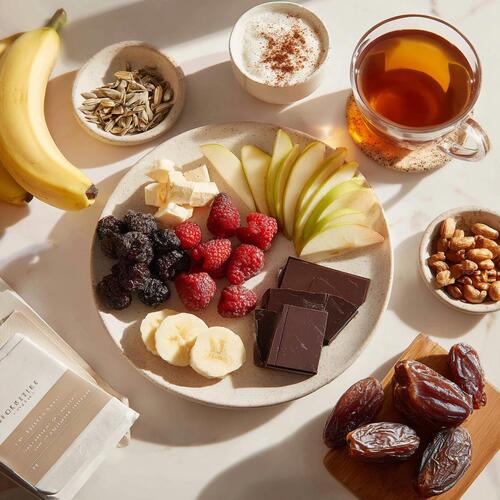
Das Verlangen nach Süßem entsteht meistens nicht wegen mangelnder Willenskraft, sondern aus einer Kombination von Gründen:
Hunger und wenig Eiweiß bei der Mahlzeit
Schlafmangel
Stress und die Gewohnheit „Kummeressen“
Plötzliche Blutzuckerschwankungen durch süße Snacks auf nüchternen Magen
Verbote nach dem Prinzip „nie erlaubt“, die in Heißhungerattacken enden
Die funktionierende Strategie: Nicht verbieten, sondern ersetzen und die Ernährung so gestalten, dass Süßes nicht die einzige Quelle von Freude und Energie ist.
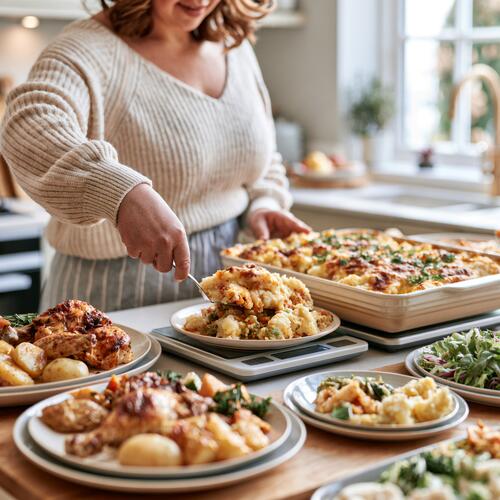 Как считать калории, если готовишь на всю семью
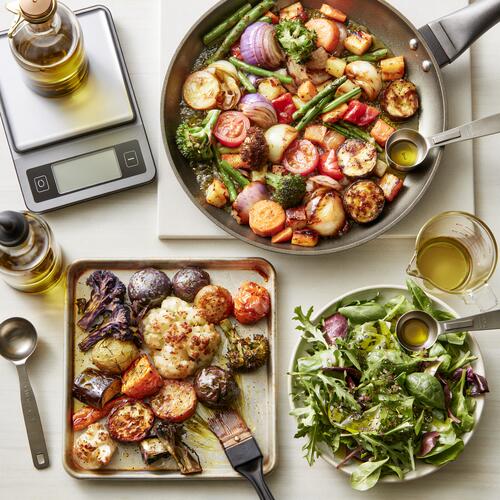 Wie man Öl beim Braten, Backen und beim Zubereiten von Salatdressings berücksichtigt
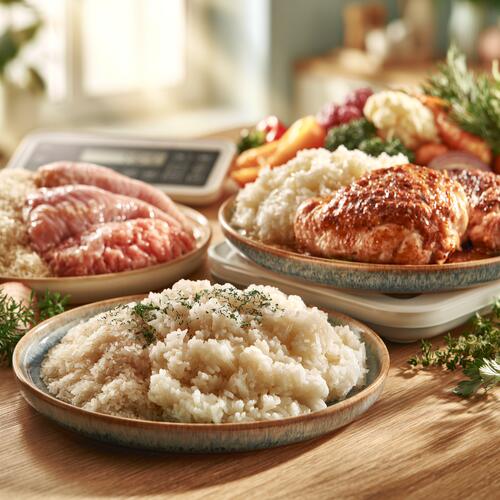 Wie man Kalorien nach der Zubereitung berechnet: Warum sich das Gewicht des Produkts verändert
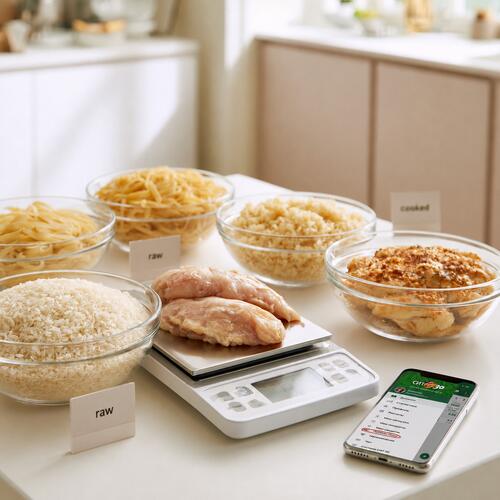 Kalorien im rohen oder gekochten Zustand zählen: Wie man Lebensmittel richtig abwiegt
 Wie man die Kalorien eines komplexen Gerichts zählt: Suppe, Plov, Salat und Auflauf
 Was Frauen über 40 beim Abnehmen hindert: Ernährung, Schlaf, Stress, Aktivität
 Большое обновление Счетчика калорий СИТ 30 для Apple: фактически новое приложение
 Was sich nach 40 ändert und warum Abnehmen schwieriger erscheint
 Was ist Ballaststoff und warum wird er benötigt
 Das Verlangen nach Süßem entsteht meistens nicht wegen mangelnder Willenskraft, sondern aus einer Kombination von Gründen: