How to Maintain Muscle Without Sports: Nutrition, Routine, and Key Mistakes
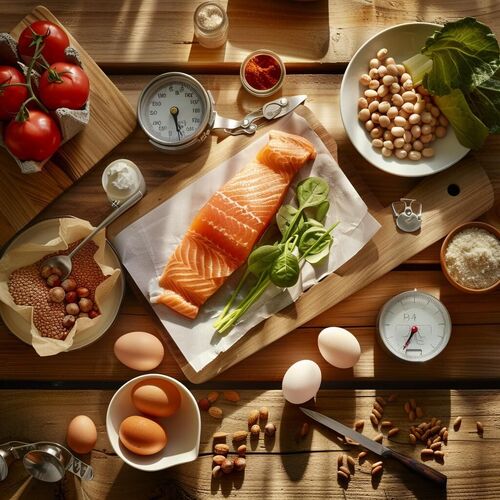 How to Preserve Muscle Without Exercise
Many people lose weight without workouts and face an unpleasant effect: the weight goes down, but the body becomes soft, flabby, and the reduction in measurements isn’t where they would like it to be. This raises the question—can you actually preserve muscle without exercise?
The short answer: yes, you can.
But under certain conditions.
Let’s dive into detail about how to maintain muscle mass without training, what to pay attention to, and which mistakes most often lead to muscle loss.
Why Muscles Are Lost During Weight Loss
Muscles are lost not because you’re not exercising, but because the body sees no reason to keep them.
Main causes of muscle loss:
-
too severe a calorie deficit
-
insufficient protein intake
-
a sedentary lifestyle
-
chronic stress and lack of sleep
If the body constantly experiences a resource deficit, it gets rid of what it considers unnecessary—including muscle.
Is It Possible to Preserve Muscle With No Physical Activity at All?
It's important to be honest.
Without exercise:
-
gaining muscle is impossible
-
fully preserving muscle is difficult
But:
-
you can minimize losses
-
it is realistic to keep most of the muscle mass
That's why nutrition and routine become especially important.
The Number One Key Factor Is Protein
Protein is the main building block for muscles.
If you don’t get enough:
-
muscles break down faster
-
even a small calorie deficit increases losses
Guideline for preserving muscle without exercise:
-
1.6–2.0 g of protein per kg of body weight
For women over 35, this is especially important, since muscle loss accelerates with age.
Protein helps to:
-
reduce muscle loss
-
keep you feeling full longer
-
improve body shape even without workouts
The Number Two Key Factor Is Moderate Deficit
Too severe a calorie deficit almost guarantees muscle loss.
Why:
-
the body lacks energy
-
activity level decreases
-
catabolic processes increase
Optimal:
-
minus 10–15 percent from maintenance
-
or minus 200–400 kcal per day
This deficit allows the body to lose fat, not muscle.
The Number Three Key Factor Is Daily Movement
Even without exercise, the body needs to move.
This isn’t about workouts, but about:
-
walking
-
climbing stairs
-
everyday physical tasks
-
frequent changes of body position
Why is this important:
-
muscles receive a signal that they are needed
-
the rate of muscle breakdown decreases
-
insulin sensitivity improves
6,000–8,000 steps a day already noticeably reduce the risk of muscle loss.
The Number Four Key Factor Is Carbohydrates
A sharp rejection of carbs speeds up muscle loss.
Reasons:
-
energy levels decrease
-
muscle protein breakdown increases
-
fatigue increases
To preserve muscles, it’s better to:
-
keep a moderate amount of carbohydrates
-
choose grains, vegetables, and fruit
-
avoid extremes
The Number Five Key Factor Is Sleep and Stress
Sleep deprivation and chronic stress directly destroy muscle.
-
cortisol rises
-
catabolism intensifies
-
the body is worse at holding onto muscle tissue
Sometimes the best thing you can do to preserve muscle is to:
-
go to bed earlier
-
eliminate constant overworking
-
reduce emotional tension
Why the Body Can Still Look Better Without Exercise
Even without workouts:
-
fat loss improves your proportions
-
preserving muscle makes the body firmer
-
Healthy Eating improves your appearance
Your shape changes more slowly than with exercise, but changes are definitely possible.
Main Mistakes When Losing Weight Without Exercise
-
Calories are too low
-
Protein is below normal
-
Complete rejection of carbs
-
Sedentary lifestyle
-
Ignoring sleep
-
Expecting quick results
These mistakes almost always lead to muscle loss.
How to Tell if You’re Preserving Muscle
Signs:
-
everyday strength isn't decreasing
-
the body becomes firmer, not softer
-
measurements decrease but shape stays
-
no severe constant weakness
If weight is decreasing but the body is getting flabby, it’s time to reconsider your strategy.
Realistic Expectations
Without exercise:
-
muscles are preserved partially
-
shape improves more slowly
-
progress is smoother
This is normal. It’s important not to compare yourself to those who are actively training.
How to Simplify Nutrition Tracking
When losing weight without exercise, it’s especially important not to make mistakes with calories and protein.
The SYPB 30 calorie counter helps to:
-
see your real deficit
-
track your protein intake
-
avoid going too low in calories
-
track progress without unnecessary calculations
Short Summary
It is possible to preserve muscle without exercise if:
-
you get enough protein
-
there is daily movement
-
normal sleep and recovery
Exercise speeds up and enhances results, but nutrition and routine are key even without it.