Meal Prep: How to Save Time and Energy in the Kitchen
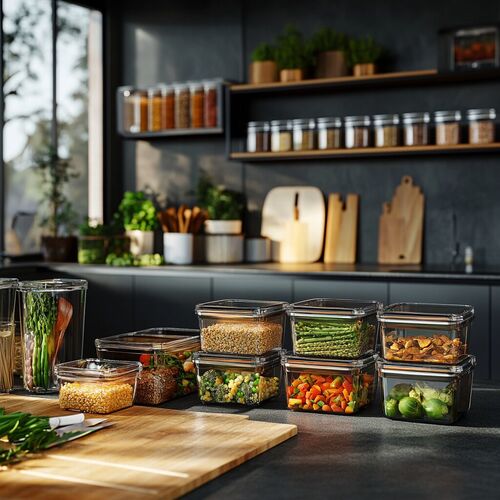 Why "meal prep" is gaining popularity
In today's fast-paced lifestyle, many people find it difficult to set aside enough time for daily cooking. Work, studies, family responsibilities — all of this makes preparing food from scratch each day a challenging task. That's why meal prep (or "cooking food in advance") is becoming increasingly popular. This method allows you to:
- Save time: you spend one day cooking and free yourself from long hours at the stove for the whole week.
- Ensure a balanced diet: by preparing healthy foods in advance, you are less likely to opt for "fast" and not always healthy food.
- Reduce expenses: buying groceries in bulk and planning your menu helps you avoid unnecessary spending and food spoilage.
Advantages and key principles of meal prep
1. Planning your weekly menu
To make meal prep as effective as possible, start by planning your menu. That way, you'll know in advance what dishes you want to prepare and in what quantity.
- Determine your goal: do you want a balanced diet, to lose weight, or just to save time?
- Ensure variety: to avoid getting bored with your food, plan different combinations of grains, vegetables, and protein sources.
2. Selecting and shopping for groceries
After making your menu, prepare a shopping list.
- Buy in bulk: this will help you save money.
- Watch for quality: choose fresh vegetables, lean meats, and whole grains to make your meals healthier.
3. One-day "batch" cooking
The core of meal prep is that once a week (most often it’s a weekend day) you spend a few hours cooking your basic ingredients.
- Grains: cook rice, buckwheat, quinoa, bulgur, or other grains you like in advance. Divide them into containers.
- Meat: bake or boil chicken breast, turkey, beef, fish — whatever you prefer. Cut the meat into pieces and portion it out as well.
- Vegetables: it’s best to prepare vegetables in various ways right away. For example, roast some (eggplants, zucchini, peppers), sauté some in a little oil (onions, carrots), and eat some raw (tomatoes, cucumbers, lettuce).
4. Storage and packaging
To keep your meals fresh throughout the workweek, it’s important to store food properly.
- Airtight containers: keep each type of food separate and cover with a lid to preserve aroma and freshness.
- Labeling: don’t hesitate to label your containers: "rice", "chicken", "roasted vegetables". This will speed up your search for the right ingredient.
- Shelf life: store meat in the refrigerator for no more than 3–4 days; grains and vegetables will last 5–7 days (but always check the specific food and storage conditions).
5. Quick assembly of meals every day
Once you have ready-to-eat components, putting together a full lunch or dinner takes just a few minutes.
- Combine protein, vegetables, and grains: for example, chicken breast + rice + fresh vegetable salad.
- Add sauces or spices: they will diversify the taste of familiar ingredients.
- Reheat in the microwave or on the stove: and your hot meal is ready!
Practical tips for successful meal prep
- Use the oven and a multicooker: they save you time — while vegetables or meat are roasting in the oven, grains are cooking in the multicooker.
- Prepare "bowl style": this is the popular "Buddha Bowl" concept — you have everything you need in one dish: grains, vegetables, protein, and sauce.
- Don’t forget about snacks: slice fruits, make a smoothie or yogurt with berries, so you’re not tempted to buy unhealthy snacks during the day.
- Vary cooking methods: not just boiling or roasting. Try steaming, grilling, or using a wok — this will give your dishes different flavors and textures.
- Consider personal preferences: if you don’t like broccoli, don’t force yourself to cook it every week. Replace it with any other vegetables you enjoy.
How meal prep helps save money and maintain health
- Fewer spontaneous purchases: you already have a set of ready-to-eat foods at home, so you’re less likely to order takeout or buy fast food.
- Portion control: when you separate food into portions right away, you avoid overeating.
- Mindful ingredient choices: when you cook yourself, you control the quality of ingredients, amount of salt, and seasonings. This has a positive effect on your health.
Conclusion
Meal prep, or cooking food in advance, is an excellent way to save time, energy, and money, as well as to improve the quality of your diet. Set aside one day on the weekend to boil grains, bake or boil meat, and prepare vegetables in advance. Store everything in convenient labeled containers, and throughout the week simply combine the ready components. This approach helps you avoid fuss and makes it easier to maintain healthy eating, even during the busiest work schedule.
If you’ve been wanting to organize your diet and give up fast food, start with small steps. Make a list of your favorite dishes, buy groceries in bulk, and on your very first weekday evening you’ll notice how much less time cooking takes. Try meal prep and enjoy your free time, diverse cuisine, and fresh homemade meals every day!