Myth: “You can't eat after 6:00 PM”
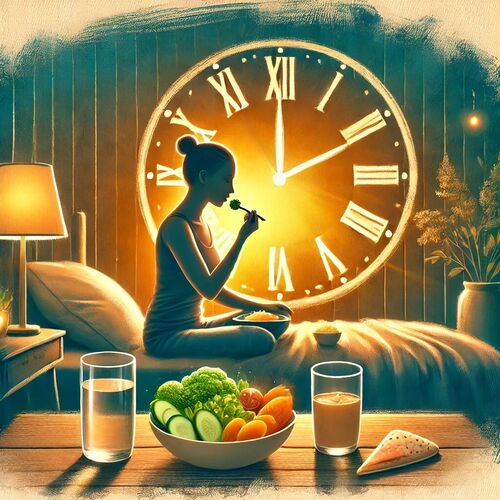 There is a widespread belief that eating after 6:00 p.m. is strictly forbidden, especially if you want to lose weight. This myth has firmly taken hold among those who strive to lose weight because of the belief that late meals automatically become extra calories the body does not have time to "burn", storing them as fat instead. But is this really true? Let’s figure out why the timing of your last meal does not play a decisive role in weight loss, and what consequences a late dinner can have for your sleep and digestion.
Why total calorie balance is important, not meal timing
The main principle of changing body weight is the ratio of how many calories you consume versus how many you spend. If you eat more calories than you burn, you gain weight. Conversely, with a calorie deficit, you lose weight. This principle works regardless of the time of day. A free mobile app can help you calculate your calorie norm: SYPB 30 Calorie Counter.
1. Eating in the evening does not automatically turn into fat
Many people think evening calories are not burned by the body since we are inactive at night. However, this is a misconception. Your body continues to use energy even while you sleep: for internal organs to function, tissue regeneration, and maintaining body temperature. Moreover, metabolic rate is determined not by the time of day, but by the overall state of the body and level of physical activity.
2. Your personal schedule matters more
Everyone has a different lifestyle rhythm. Someone who goes to bed at 10:00 p.m. might finish dinner by 6:00 p.m. But if your routine means you go to bed later (for example, after midnight), skipping dinner in the evening can lead to strong hunger and a worse state overall. The key is not to overeat in the evening, not to completely avoid dinner.
3. Research and expert opinion
Modern research indicates that for weight control, the total number of calories during the day is important, not the timing of intake. In other words, if your diet is balanced and you do not exceed your daily allowance, dinner time does not have critical significance.
How does late eating affect sleep?
Although dinner time is not that important for your metabolism, late meals can still affect the quality of your sleep. This is related not so much to the fact of eating itself, but to the meal’s composition and portion size.
1. Heavy food can disturb sleep
Fatty, fried or spicy foods take more time and energy to digest. Eating such foods right before sleep can cause a feeling of heaviness, heartburn or even disrupt sleep. The body will be working actively trying to process everything, rather than giving you time for proper rest.
2. Sugar and stimulants
A late snack of sweets (chocolate, pastries) or drinks with caffeine can cause a sharp rise in blood sugar levels, giving you energy, which is undesirable when preparing for sleep. This can make it harder to fall asleep.
3. Tryptophan and relaxation
Some foods, on the contrary, help you relax and fall asleep. For example, protein foods (fish, chicken, eggs) contain the amino acid tryptophan, which promotes the production of melatonin — the sleep hormone. If your dinner is light, it can even have a beneficial effect on your sleep.
How does a late dinner affect digestion?
The digestive system works around the clock, but its activity can decrease closer to nighttime. Here’s what you need to consider:
1. Time before sleep
If you eat too late and immediately go to bed, your food may not have time to digest. This can cause a feeling of heaviness in your stomach, discomfort and even heartburn. To avoid this, try to finish your meal at least 1.5–2 hours before sleep.
2. Food choices
- Light dishes rich in protein (for example, fish, lean meat) and vegetables are easier to digest and rarely cause problems. They keep you feeling full without overloading the stomach.
- Heavy meals high in fat or carbohydrates can take longer to digest, causing unpleasant sensations at night.
3. Overeating
Another cause of discomfort after a late dinner may be eating excessive amounts of food. Overeating overloads the stomach, which is especially undesirable before sleep.
How to make a late dinner healthy?
If your schedule or lifestyle means you eat dinner after 6:00 p.m., that’s absolutely fine as long as you follow a few simple recommendations.
- Make dinner light
- Proteins: fish, chicken, eggs.
- Light vegetables: broccoli, spinach, cucumbers.
- Healthy fats: a little avocado or nuts.
- Try to avoid trigger foods
- Fatty, fried foods.
- Sweets and foods high in sugar.
- Alcohol and caffeine.
- Control portion size Dinner should not be the biggest meal of the day. Try to keep the evening meal about 20–25% of your total daily caloric intake.
- Leave a gap before sleep Finish your last meal at least 1.5–2 hours before sleep to give your body a chance to digest food.
Example of a late dinner:
If you need to have dinner late in the evening, here’s an example of a light and healthy meal:
- Protein: boiled chicken breast or baked fish.
- Vegetables: salad of greens and cucumbers with olive oil.
- Additionally: a slice of whole grain bread or a small piece of avocado.
Such a dinner will have a beneficial effect on digestion, provide a feeling of fullness, and will not disturb your sleep.
The myth that you can’t eat after 6:00 p.m. is more suitable for a very early daily routine than for an active modern life. Your success in maintaining weight and health depends not on the timing of your last meal, but on the overall calorie balance, the quality of food, and its composition.
A late dinner can be part of a healthy diet if it’s well thought out and light. The key is to listen to your body, exercise moderation, and choose foods that are not only tasty but also healthy.